How I Verify Catch-All Emails with Hunter.io in 2026
I’ve bounced emails into the void more times than I care to count. Those catch-all domains swallow messages without a trace, then spit back failures that tank your sender score. In sales outreach, one bad list ruins weeks of prospecti...

I’ve bounced emails into the void more times than I care to count. Those catch-all domains swallow messages without a trace, then spit back failures that tank your sender score. In sales outreach, one bad list ruins weeks of prospecting.
Catch-all setups accept any address at the server door. No tool promises inbox delivery, but catch all email verification with Hunter.io flags the risks fast. I use it daily to clean leads before they hit my sequences.
Let me show you my exact process. You’ll spot accept-all traps and cut bounces without guesswork.
Catch-All Domains: The Silent Killer in Lead Lists
Catch-all domains act like open nets. They grab every email tossed their way, even fakes like “test@company.com“. Servers say yes upfront, so bounces lurk later.
This setup fools basic checks. Your list looks clean until sends reveal the mess. Bounces spike 27 times higher on these, per Hunter’s guide on accept-all addresses. Sender reputation suffers as a result.
I learned this during a 500-lead campaign. Half bounced soft from catch-alls. Now, I verify every batch first. Hunter.io detects them via SMTP probes on random addresses. It labels the risk clearly.
Domains from small teams often run catch-all for simplicity. Big providers sometimes too. Either way, you face uncertainty. Verification reduces it, but never erases it fully.
Why Hunter.io Handles Catch-All Checks Better Than Most
Hunter.io stands out because it probes beyond syntax and MX records. It tests if servers accept junk emails, flagging catch-alls as “accept-all”. Confidence scores add nuance.
In 2026, their proprietary methods tackle major providers head-on. No full guarantees, but accuracy hovers near 70% overall. I pair it with my Hunter.io free email verifier review for light use.
Free tier gives 50 credits monthly, shared across tools. Each verify costs 0.5 credits. Paid plans scale from $49 for 2,000 credits. Bulk uploads and API fit high-volume outreach.
Other tools miss subtleties. Hunter.io integrates finder, verifier, and sequences seamlessly. For sales teams, that means cleaner pipelines from prospect to pitch.
Step-by-Step Guide to Verifying Emails in Hunter.io
I start simple for single checks. Head to Hunter’s Email Verifier page. No login needed for basics.
Paste the address, like “jane@startup.com“. Hit verify. Seconds later, results appear: syntax, MX, SMTP, and catch-all status.

For lists, switch to bulk. Upload CSV with an email column. Add names or companies for later. Hunter processes fast, exports results with scores.
I prep files first: trim spaces, lowercase domains, dedupe. This saves credits. Free plan caps at 50, so efficiency counts.
API suits automation. Curl a single check or loop CSVs. I route valid ones to sequences, suppress the rest. Always retry on errors.
Decoding Hunter.io’s Verification Results
Results fall into four buckets. Each guides your next move.
Valid means low risk. SMTP confirms the mailbox exists. Send freely.
Invalid screams drop it. Syntax fails or server rejects outright.
Accept-all waves a yellow flag. Server takes anything; bounces hide inside. Emails here bounce far more often.
Unknown leaves you hanging. Server stays silent. Cross-check manually.

Hunter’s email verification guide explains these in depth. Scores refine it: 90+ feels solid, under 70 needs review. I trust patterns over singles.
What to Do with Each Hunter.io Result
Valid? Sequence them normally. Personalize based on role.
Invalid goes straight to suppress. No second chances.
For accept-all, test low-volume first. Send a welcome note, track bounces. Warm your domain slowly if needed.
Unknown prompts a pause. Hunt LinkedIn or sites for confirmation. Skip if doubts linger.
Here’s my quick decision table:
| Result | Action | Reason |
|---|---|---|
| Valid | Send full cadence | Strong signals, low bounce |
| Invalid | Suppress forever | Hard bounce guaranteed |
| Accept-all | Low-volume test, enrich | Hidden risks, 27x bounce odds |
| Unknown | Manual review or skip | No clear path forward |
Combine with intent data. High-engagement leads justify accept-all risks. Others wait.
Fitting Verification into Your Outreach Flow
Verification lives mid-pipeline. I find leads, verify, then outreach.
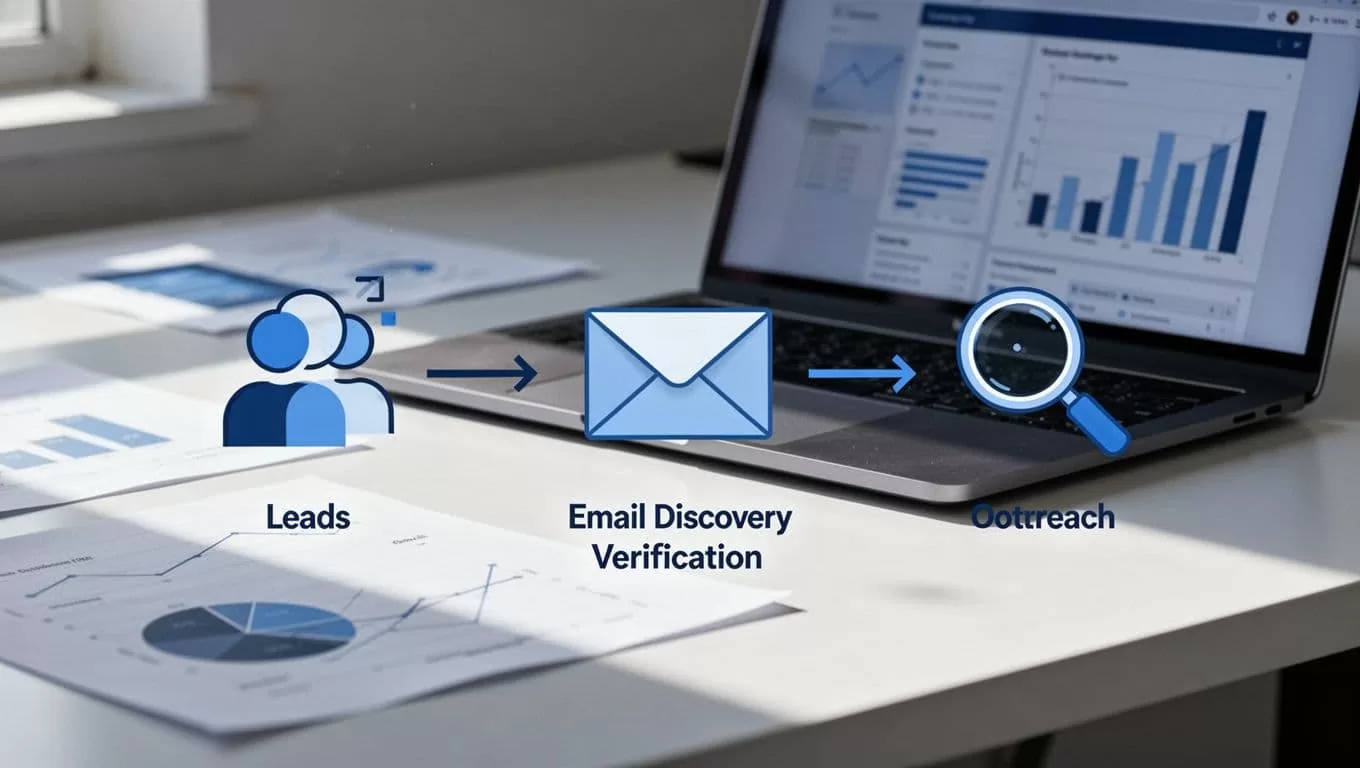
Start with Hunter’s finder for patterns. Verify batches via bulk or my bulk email verification guide. Feed cleans to CRM.
Warm new domains gradually. Personalize every send. Monitor bounces weekly.
Real-time API catches form signups instantly. Zapier links it to HubSpot or sequences. Bounces drop, replies climb.
Wrap Up: Cleaner Sends Start with Smart Verification
Catch-all domains test your patience, but Hunter.io turns uncertainty into action. I verify every lead, interpret statuses sharply, and adjust sends accordingly. Bounces fade, reputations hold.
Your lists deserve this habit. Test a batch today. Track the difference in replies. What’s your bounce rate now?
