How I Use Exploding Topics To Plan Seasonal Product Launches
When I plan a seasonal launch, I don’t start with a product idea. I start with a signal, because timing matters more than enthusiasm. A good offer can feel obvious to buyers, while a late one can sit there quietly and collect dust. Th...
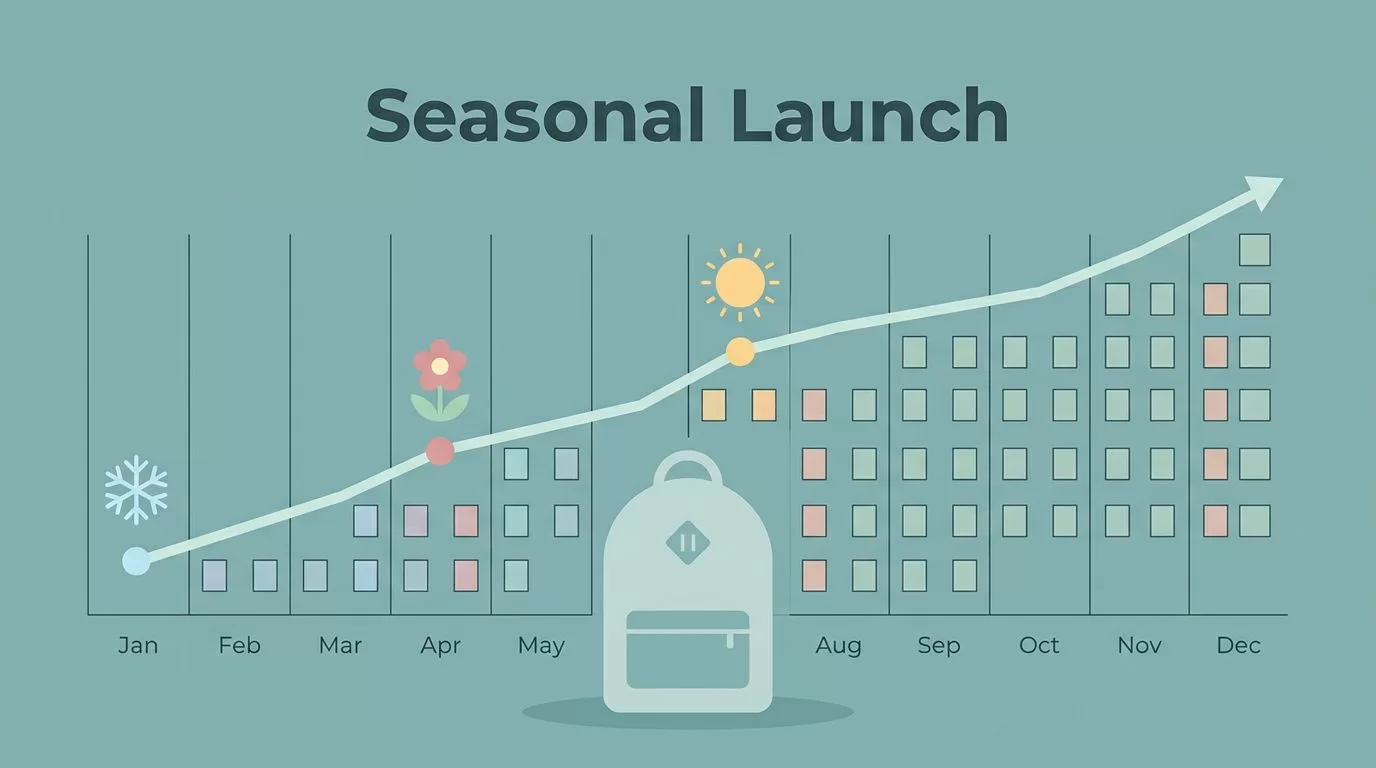
When I plan a seasonal launch, I don’t start with a product idea. I start with a signal, because timing matters more than enthusiasm. A good offer can feel obvious to buyers, while a late one can sit there quietly and collect dust.
That is where my Exploding Topics seasonal launches process comes in. I use trend data to spot demand early, then I map that demand to a real selling window. If I get the timing right, I don’t have to push hard. The market is already warming up.
I look for seasonal demand before the crowd notices
My first job is simple, I ask whether attention is still building or already fading. On Exploding Topics, I study the slope of the trend, not just the number itself. A slow climb tells me more than a sudden burst, because bursts can vanish fast.
When I want a current read, I check Top Trending Topics (April 2026) and the Trending Products tool. I’m looking for clusters, not one flashy item. That same habit sits behind my trend-spotting process with Exploding Topics.
Seasonal products rarely win on one signal alone. A hydration item might rise because of heat, travel, and fitness habits. A comfort product might grow because of fall weather, gifting, and home routines. When two or three signals line up, I pay close attention.
I don’t need a huge trend. I need a trend that still has room before the crowd arrives.

My launch calendar starts months before the season
I use a simple timing map for launches, because every season asks for a different lead time. The bigger the buying moment, the earlier I begin.
| Season | When I start | What I test |
|---|---|---|
| Spring | 10 to 12 weeks ahead | cleanup, wellness, travel, outdoor gear |
| Summer | 12 to 16 weeks ahead | hydration, cooling, beach, travel add-ons |
| Fall | 10 to 14 weeks ahead | back-to-school, desk setup, routines |
| Holiday | 16 to 24 weeks ahead | gifts, bundles, stocking stuffers |
For B2B software, I map seasons to budget cycles, tax season, quarter-end planning, and compliance deadlines. The calendar changes, but the rule stays the same. I launch before the buying rush, not during it.
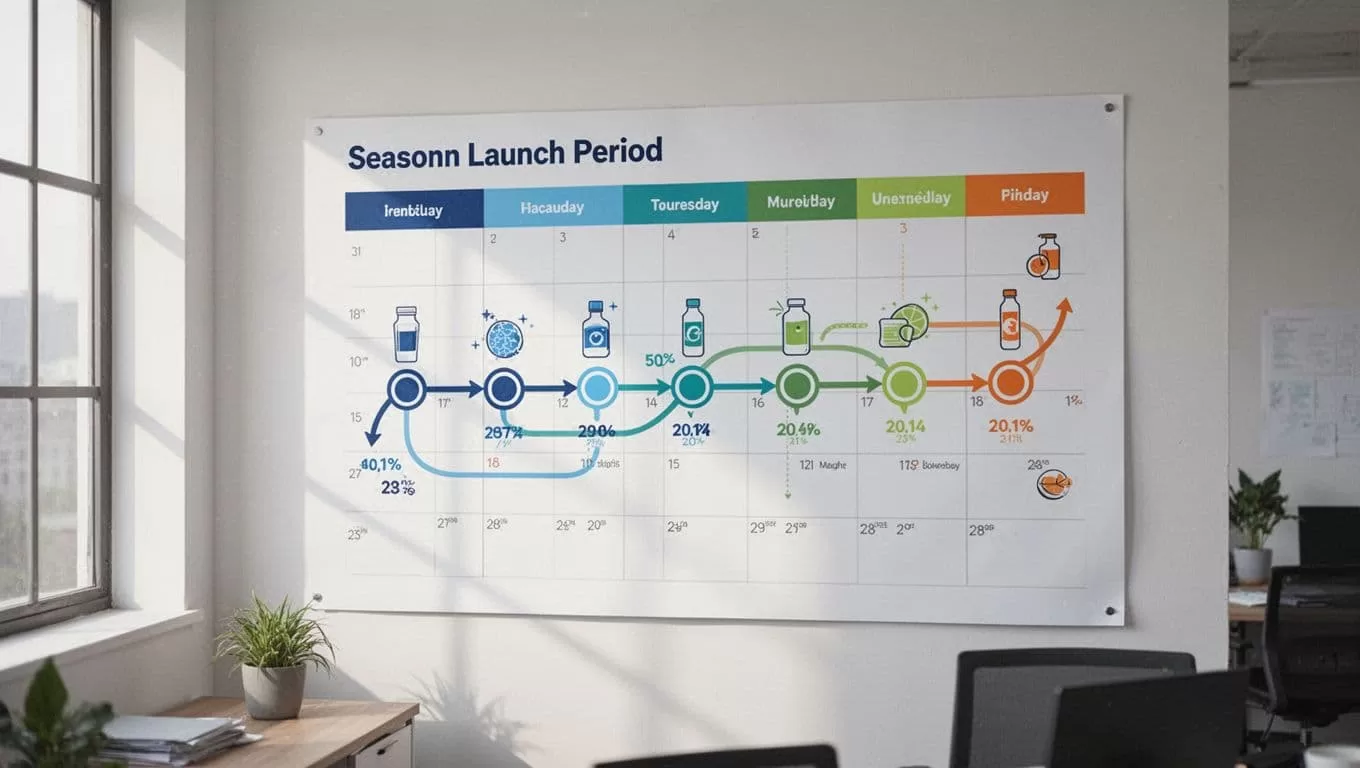
The takeaway is simple, holiday launches need the longest runway, while smaller seasonal tests can move faster. If I wait until the season feels obvious, I’m already behind.
How I turn trend data into a launch date
I don’t treat trend data like a crystal ball. I treat it like a weather forecast. It tells me when a front is moving in, then I decide when to open the umbrella.
- I mark the first real climb, not the peak.
- I work backward from the buying window.
- I build a small test before the season hits.
If summer hydration starts rising in February, I don’t wait for June. I prep the page in March, test traffic in April, and aim to sell by May. That gives me room to learn before the market gets noisy.
I also watch companion products. When one item starts moving, the add-ons often sell first. Think cleaning brushes for a kitchen tool, refills for a wellness item, or bags and inserts for a giftable product. Those smaller pieces can be easier to launch and easier to stock.
How I keep hype from hijacking the plan
This is where I slow down. A trend can look exciting and still make a poor launch choice. I get cautious when the signal feels loud but thin.
I watch for three red flags:
- the chart shoots up and falls just as fast
- every result looks like a copy of the same viral post
- the product has little repeat use or replacement value
That’s when I compare the idea with tracking new ecommerce niches with Exploding Topics. If the demand feels like a one-week costume, I don’t build a warehouse around it. I keep the test small and move on if the numbers stay weak.
This mindset saves me from chasing noise. It also helps me stay honest about what kind of product I’m really launching, a seasonal item, a repeat seller, or a short-lived fad.
Seasonal launch ideas I’d actually test
On the current Top Trending Topics (April 2026) page, I keep seeing movement around items like AI Air Fryer, Birch Juice Moisturizer, and translation earbuds. I don’t copy those products one for one. I use them as clues about timing, packaging, and audience appetite.
For a broader scan, I also look at 44 Trending Products to Sell (2026). That helps me spot companion products and related offers, which often face less competition.

A few launch ideas I’d test first:
- a summer hydration bundle, sold before the first heat wave, with a bottle, mix, and travel pouch
- a holiday gift set, launched in early fall, with one main item and two low-cost add-ons
- a back-to-school desk kit, timed for late July, aimed at students or remote workers
If I can name the buyer, the season, and the add-on, I have a launch worth testing. If I can’t, I keep watching.
Why timing beats hype every time
Exploding Topics doesn’t tell me what will sell forever. It tells me when demand is waking up. That’s the part most launches miss.
When I pair early signals with the right season, I get a cleaner launch and fewer dead ends. That keeps me focused on buyers, not noise. The best launches feel less like guesses and more like arriving just before the door opens.
FAQ
How far ahead do I plan seasonal launches?
I usually start three to six months ahead. Holiday launches need the most runway, while smaller seasonal tests can move much faster.
What trend shape do I trust most?
I trust a steady climb with repeat interest. A sharp spike makes me cautious, especially if it fades fast.
What if a seasonal trend disappears?
I treat it as a test, not a failure. I keep the budget small, learn fast, and move on if the demand doesn’t hold.
