How I Find Affiliate Niches With Exploding Topics Data
Most affiliate niches look exciting right before they get crowded. The trick isn’t finding what’s already popular, it’s catching the climb before everyone else piles in. I use Exploding Topics as my early signal. Then I ch...
Most affiliate niches look exciting right before they get crowded. The trick isn’t finding what’s already popular, it’s catching the climb before everyone else piles in.
I use Exploding Topics as my early signal. Then I check whether the topic has buyer intent, room for content, and a real way to make money.
That keeps me from chasing shiny charts. It also helps me spot affiliate ideas in AI, cybersecurity, automation, and B2B software before they feel obvious.
I start with the shape of the trend
I don’t chase the biggest spike. I look for a steady climb over months, because that usually points to real demand.
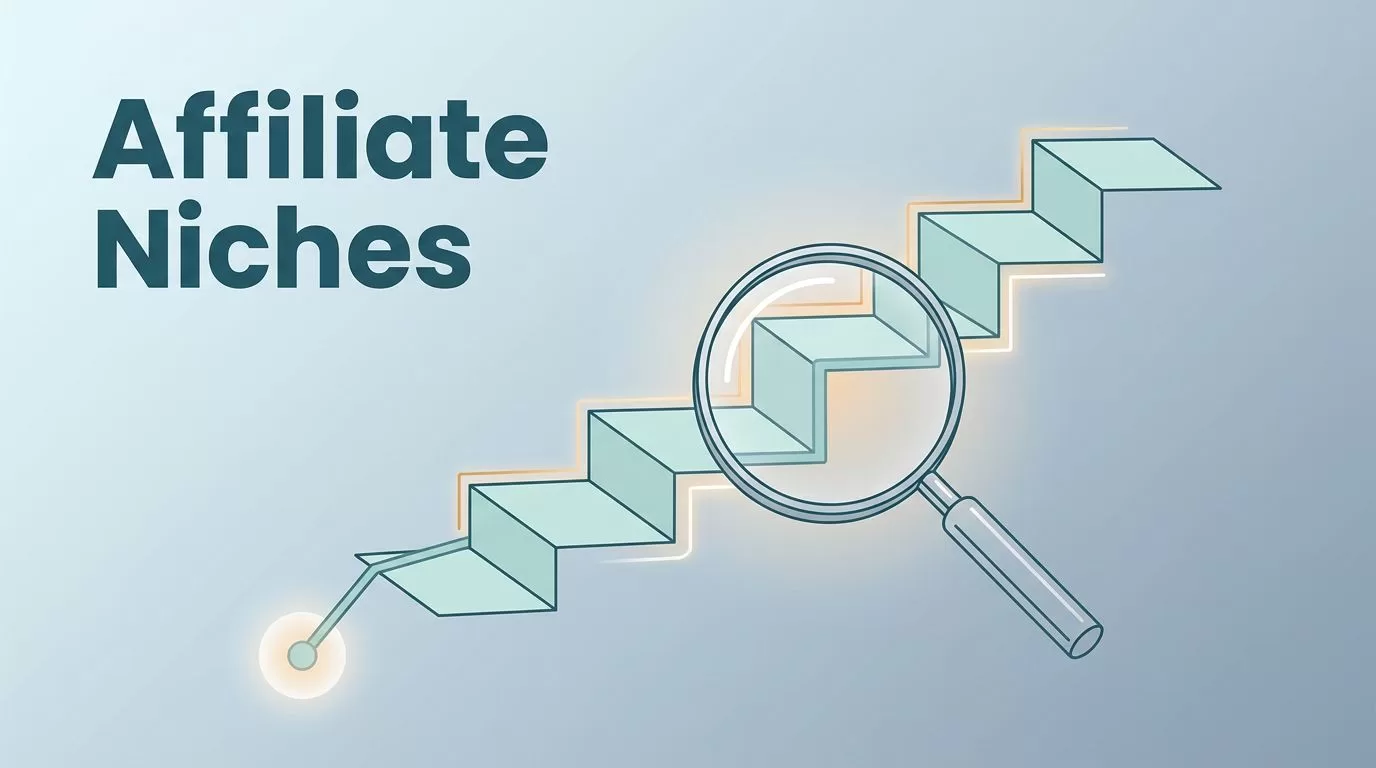
If a topic keeps rising across related terms, I pay attention. If it flashes once and fades, I move on. A trend should look like a staircase, not a firework.
In April 2026, I’m especially alert to topics tied to AI workflow tools, team security, automation, and software that saves time. Those are the kinds of affiliate niches that can support recurring commissions and useful content.
If I want a broader read on what’s moving, I compare my notes with using Exploding Topics for trends and a live trend feed like Top Trending Topics (April 2026). That gives me context before I commit to a niche.

I also try to group topics instead of reading them one by one. For example, “AI note-taking,” “meeting summaries,” and “sales call transcription” may belong to the same niche. That cluster tells me more than a single keyword ever could.
I score buyer intent before I get excited
A rising topic isn’t enough. I need people who are close to buying.
That’s why I look for words like best, pricing, alternative, review, and for teams. Those phrases tell me the searcher is comparing options, not just browsing for fun. I also like searches that include a job or problem, like “automate reports for small teams.”
I pair that with trend-based keyword research, because trend data and search intent work better together. One tells me where attention is moving. The other tells me whether money is nearby.
I also keep an eye on Why Keyword Research Doesn’t Work in 2026. It reminds me not to start with old keyword lists and hope for the best.
Here’s the simple filter I use:
| Criterion | Green light | Red flag |
|---|---|---|
| Trend trajectory | Steady climb over months | One sudden spike |
| Search intent | “Best,” “pricing,” “alternative” | Pure curiosity terms |
| Audience | Clear buyer or team use case | Too broad to define |
| Monetization fit | Subscriptions, SaaS, repeat spend | One-off novelty buys |
If a niche only attracts readers, I usually pass. If it attracts buyers, I keep digging.
Competition tells me if there’s room to breathe
I don’t need zero competition. I need a gap I can explain better than everyone else.
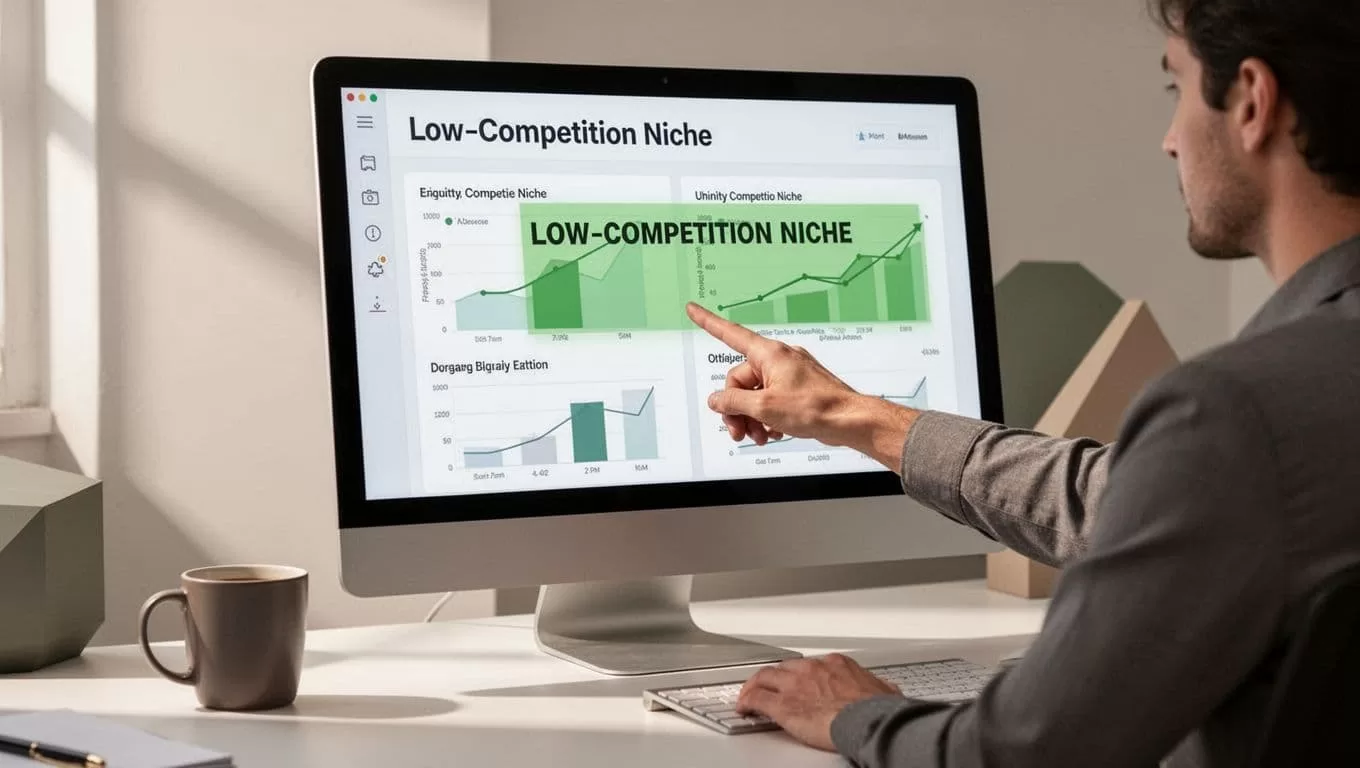
That gap matters. If the first page is full of giant brands with perfect pages, I need a sharp angle. If the results are thin, outdated, or too generic, I may have found an opening.
I check three things here. First, I scan the search results. Second, I look at affiliate pages already ranking. Third, I ask whether I can build 10 or more useful pages from the topic.
That last part matters more than people think. A niche can look promising, but if I can’t expand it, I’ll run out of content fast.
For example, “AI meeting assistants” can turn into comparison posts, use-case guides, setup tutorials, and security pages. By contrast, a tiny novelty product might give me one post and no room to grow.
This is where low competition keywords 2026 helps me get specific. I’m not hunting for a perfect keyword. I’m looking for a niche that gives me a dozen useful angles.
Product availability is where ideas become affiliate niches
A trend only becomes an affiliate niche when I can actually promote something useful.
So I check whether the market has products, software, trial plans, partner programs, or recurring subscriptions. For B2B software, I want pricing pages, demo requests, and active affiliate or partner programs. For AI tools, I look for upgrade paths and strong use cases. For cybersecurity, I want trust signals and clear business pain.
If I can’t find products, the niche stays theoretical. That’s a dead end for affiliate work.
I also compare the topic with How to Find Profitable E-Commerce Niches for 2026. Even though I’m often focused on software, the same logic helps me test whether a trend has real commercial weight.

When a niche has products but weak content around them, I get more interested. That’s often where affiliate pages can stand out.
My scorecard keeps me from chasing noise
I use a simple scorecard before I commit.
- Trend trajectory: Does the topic rise over time, or did it just spike?
- Search intent: Are people comparing, pricing, or buying?
- Competition: Can I find a real content gap?
- Content depth: Can this support multiple articles?
- Monetization fit: Are there products, trials, or subscriptions I can promote?
I score each one from 1 to 5. If the total lands below 18, I put it on a watchlist. If it clears that bar, I start outlining content and checking offers.
One example is “cybersecurity for small teams.” It has urgent pain, strong intent, and recurring software revenue. Another is “AI tools for sales teams.” That niche often supports reviews, comparisons, and how-to content without feeling forced.
For a wider view, I also keep spotting industry shifts early in my rotation. It helps me see whether a niche sits inside a larger wave.
The best affiliate niches feel obvious only after the work
I don’t try to predict the next huge market. I try to catch a narrow wave while it still has room.
Exploding Topics gives me the shape of that wave. Then I test whether buyers are ready, competition leaves space, and products are available. When those pieces line up, I know I’m looking at a real affiliate niche, not a passing spark.
That’s the part most people skip. They see the rise, but they don’t check the rest of the map.
