Track Emerging Cybersecurity Trends With Exploding Topics
If I wait for a breach report, I’m already late. Cybersecurity trends usually start as small search bumps, new tools, and repeated mentions in tight circles. That’s why I use Exploding Topics to catch movement before it turns in...
If I wait for a breach report, I’m already late. Cybersecurity trends usually start as small search bumps, new tools, and repeated mentions in tight circles.
That’s why I use Exploding Topics to catch movement before it turns into noise. In April 2026, that matters even more because AI, identity, and supply chain risk keep shifting at the same time.
Start with topics that match real security pain
I begin with broad terms, then I narrow fast. My starter set usually includes AI security, identity security, zero trust, quantum-safe encryption, supply chain security, non-human identity, and shadow AI.
I keep that list beside my broader future tech trends in 2026 with Exploding Topics, because security rarely moves on its own. New tools create new risk, and new risk creates new budget.
The World Economic Forum’s Global Cybersecurity Outlook 2026 makes the same point. AI is helping defenders and attackers at the same time.
So I do not search for fear-first terms only. I look for the problems buyers already feel, like access control, vendor risk, and machine-to-machine trust.

Separate signal from noise before I act
A rising line is only a clue.
I treat trend data like radar. It shows movement, not certainty.
I compare each topic with the broader pattern around it. IBM’s Cybersecurity Trends 2026 backs up this approach. The report points to AI-driven threats, identity pressure, and faster attack paths.
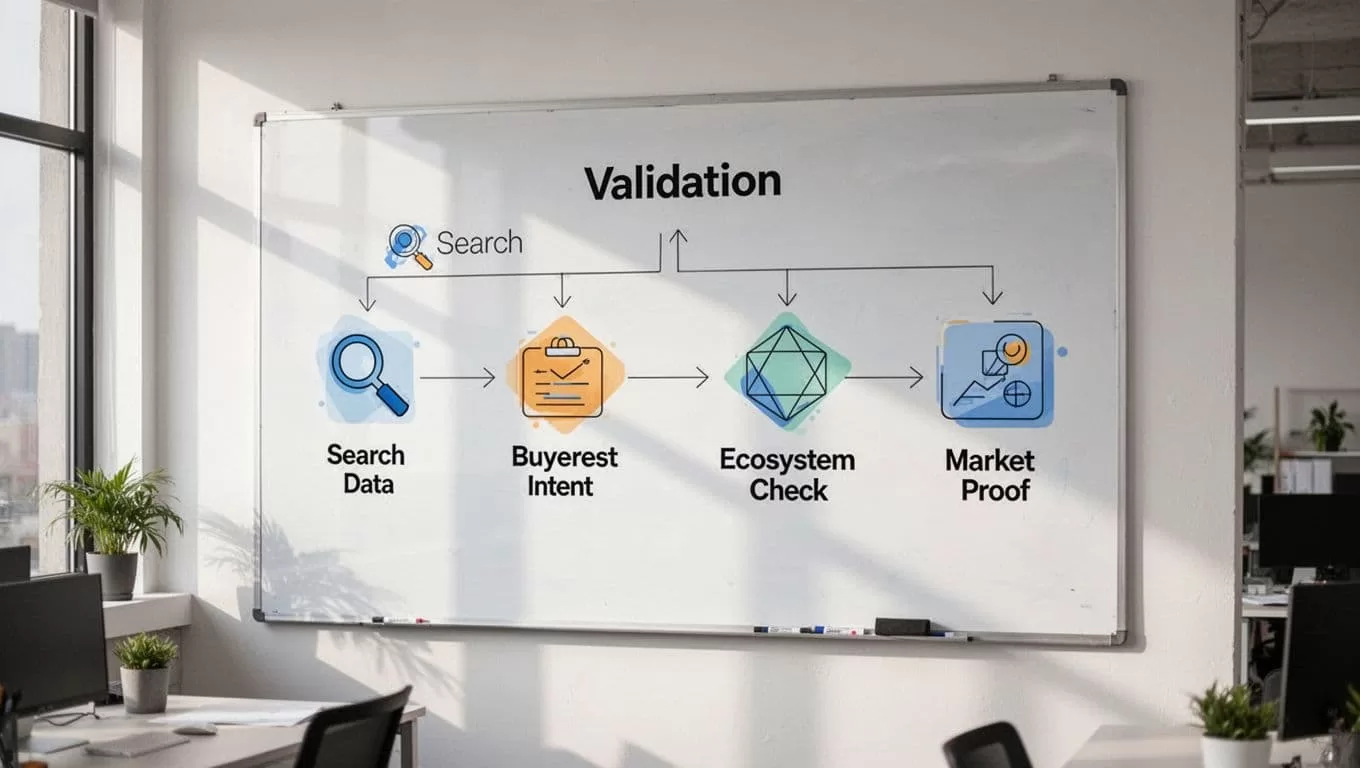
Here is the quick filter I use before I put a topic on my watchlist.
| Signal I see | What it usually means | What I do next |
|---|---|---|
| Steady growth over months | Real demand may be forming | Compare related terms and vendor activity |
| Searches for pricing or tools | Buyers are moving closer to action | Build content or test a product angle |
| Several related topics rising together | A market cluster may be forming | Group them into one theme |
| Growth tied to 2026 risk areas | Budget pressure may follow | Prioritize it for review |
If a term spikes once, I park it. If the pattern keeps climbing, I dig deeper. That simple split saves me from chasing every noisy week.
Watch the clusters that matter in 2026
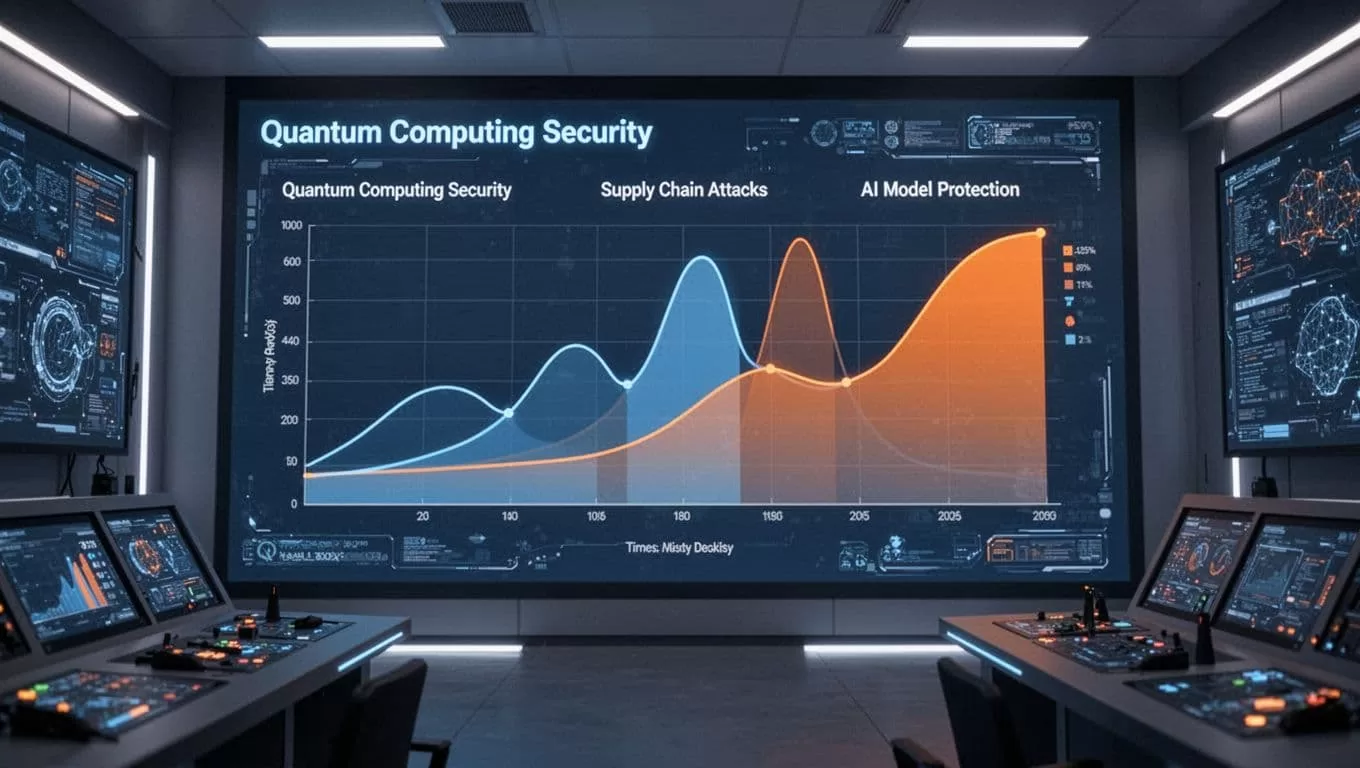
The strongest cybersecurity trends in 2026 do not travel alone. I keep seeing AI security, identity protection, and supply chain risk rise together.
Check Point’s Cyber Security Report 2026 fits that picture. It highlights AI-driven attacks, ransomware, hybrid environments, and multi-channel social engineering.
I group topics like this:
- AI security with agentic AI, prompt injection, and model monitoring
- Identity security with passkeys, non-human identities, and zero trust
- Supply chain security with vendor risk, SaaS sprawl, and shadow AI
- Quantum-safe encryption with crypto-agility and migration planning
That cluster view matters. One topic can be curiosity. Three related topics rising together usually point to a real market shift.
I compare those signals with the fast-growing industries I watch in 2026, because cybersecurity often grows alongside AI infrastructure and automation. That overlap helps me decide whether a trend belongs in a blog brief, a pitch deck, or a quarterly watchlist.
Turn trend data into SEO, product, and research decisions
Once I trust a trend, I turn it into work. I keep the process simple so I can repeat it every month.
- I save each topic with the date, growth shape, and related terms.
- I check whether people search for pricing, tools, comparisons, or fixes.
- I map the topic to one use, SEO content, product planning, investing research, or market monitoring.
- I publish or test only when the cluster stays warm.
That workflow keeps the data useful. If non-human identities keeps rising, I write about machine access, service accounts, and API keys. If quantum-safe encryption rises, I focus on migration timing and crypto-agility. If supply chain security grows, I look at vendor screening and third-party controls.
For SEO, I turn one trend into a cluster page, a comparison post, and a few support articles. For product strategy, I look for friction and unmet needs. For investing research, I watch which vendors hire, raise money, or launch around the trend. For market monitoring, I set a monthly review so the signal stays fresh.
The goal is not to predict everything. The goal is to stay early enough to act with context.
The best cybersecurity trends are the ones that connect search growth to real behavior. When I see AI security, identity security, and supply chain risk rising together, I know I’m looking at budget pressure, not just buzz.
Exploding Topics gives me the first hint. The reports, vendor movement, and buyer language tell me whether that hint is worth following.
