Track Trending YouTube Topics Fast With Exploding Topics
The best YouTube ideas usually look obvious only after they’ve already spread. I want to catch them earlier, while search interest is climbing and the field still has room. That matters even more in April 2026. Shorts drive discovery,...
The best YouTube ideas usually look obvious only after they’ve already spread. I want to catch them earlier, while search interest is climbing and the field still has room.
That matters even more in April 2026. Shorts drive discovery, long-form still pays off, and creators who move first usually get cleaner results than creators who copy later. I use Exploding Topics to spot ideas before they feel crowded, then I test whether they fit my audience and my plan.
I keep the process simple, because speed matters more than perfection at the start.
How I spot rising topics before they feel crowded
I start with Exploding Topics’ YouTube trend pages, then I compare them with the broader trend feed. I want two views at once. One shows me what’s getting attention inside video culture. The other helps me see related ideas before they show up everywhere.
I keep Exploding Topics’ YouTube trend page open beside the broader April 2026 trend list. That pairing helps me move fast without guessing.
The key is timing. If a topic already feels exhausted, I skip it. If it’s rising but still has clear gaps, I keep going. That gap is where my best YouTube ideas come from.
I’m not looking for the loudest topic. I’m looking for the one I can still explain clearly, package well, and turn into a useful video before the feed moves on.
My 3-minute filter for each topic
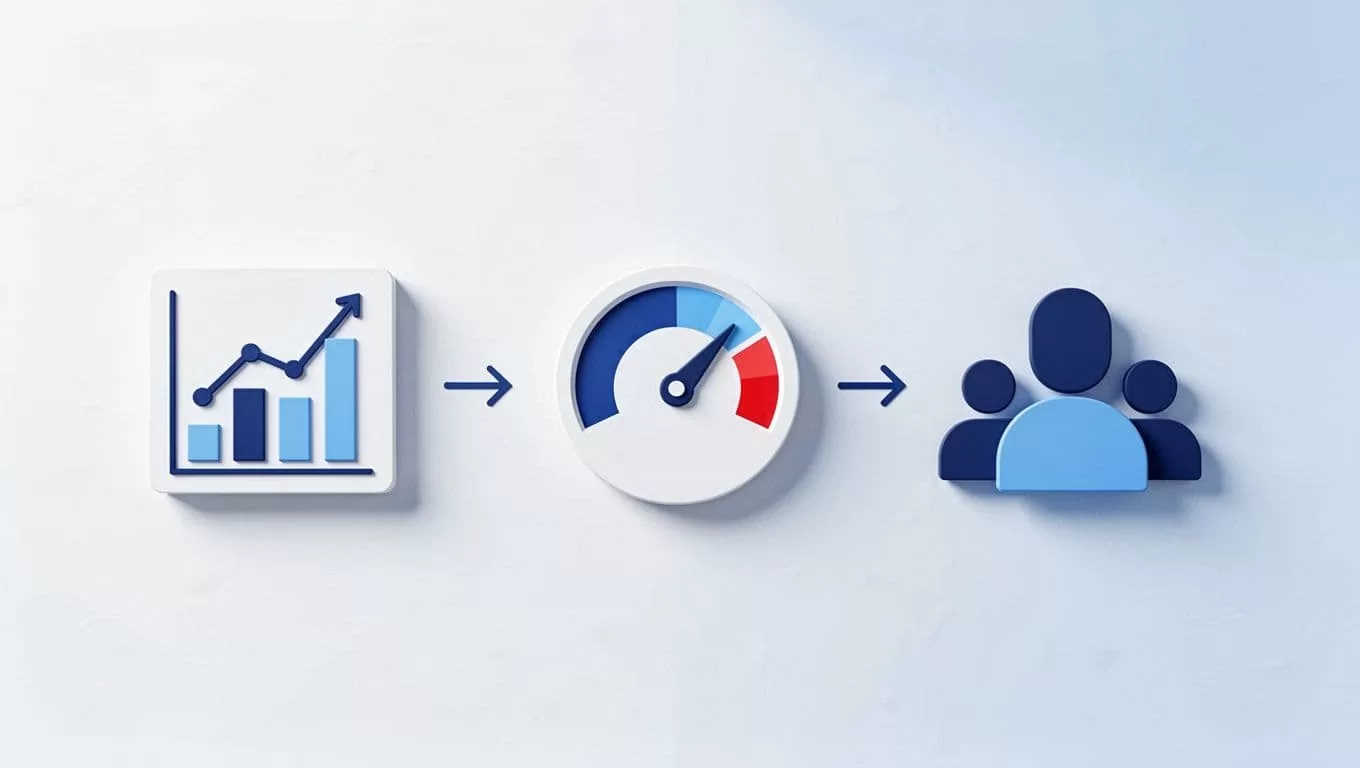
A rising topic still needs a quick check. I use five signals before I spend time on a script. That keeps me from chasing empty buzz.
| Signal | What I check | Green light |
|---|---|---|
| Search interest | Is the topic rising steadily? | The curve is moving up, not flat |
| Audience fit | Would my viewers care today? | The problem feels familiar |
| Competition | Are the top videos weak or crowded? | I can make a better angle |
| Longevity | Will this still matter next month? | It has a second use case |
| Monetization | Can I attach a product, service, or sponsor? | There’s a real business tie-in |
If a topic only passes one or two rows, I leave it alone. If it passes three or more, I move to validation.
I want a topic that can earn views, fit my niche, and survive long enough to matter.
For a deeper pass, I also check Exploding Topics’ trend research guide. It helps me confirm that I’m seeing a real rise, not a one-day spike.
That small filter saves me hours. It also keeps my channel from drifting into topics that look hot but don’t fit my viewers.
What I watch in 2026 before I commit
In 2026, I pay extra attention to Shorts-first discovery. Quick tutorials, product comparisons, AI workflow clips, travel clips, and reset-style routines are getting attention because people can understand them fast.
I also watch for topics that can stretch beyond one upload. A short-lived spike can still work as a Short. A topic with stronger search demand can become a long video, a follow-up, and a clip series. That matters because YouTube still rewards depth when the topic deserves it.
When I find a topic with that kind of range, I turn the long video into smaller pieces with OpusClip AI video clipping tool. That gives me more shots without starting from zero each time.
I also pay attention to smaller creators. They often move faster than large channels and spot shifts before the mainstream does. In practice, that means I care less about vanity numbers and more about whether a topic has a clear audience that actually shows up.
Turning one trend into a real content plan
Once a topic passes my filter, I stop browsing and start building. I decide on one main promise, one clean hook, and one outcome the viewer can use right away.
My publish plan is simple:
- I pick the trend and write the title angle.
- I check whether it fits my audience and offers a payoff.
- I draft the outline and hook.
- I map one long video to two or three Shorts.
- I schedule the follow-up posts before I publish.
When I need to move faster, I use Someli AI tools for faster content creation to draft the first version of the script and support copy. Then I place the whole rollout inside my AI-powered social media calendar strategy so the video, clips, and posts stay in sync.
That matters because trend work falls apart when it stays in my notes. A topic only pays off when I can ship while interest is still climbing.
The fastest YouTube ideas are the ones I can prove
Exploding Topics helps me spot rising YouTube topics before they turn noisy. My own filter keeps me from wasting time on weak ideas.
When I check search interest, audience fit, competition, longevity, and monetization together, I make better calls faster. That mix gives me a cleaner path from trend to video.
The real win is simple. I get the topic while it’s still fresh, and I publish before everyone else starts asking the same question.
