How I Find Fast Growing Local Services With Exploding Topics
Local service ideas can look busy long before they make money. I care less about noise and more about whether people keep searching, booking, and paying. That’s why I use Exploding Topics as my first signal, then I test the idea again...

Local service ideas can look busy long before they make money. I care less about noise and more about whether people keep searching, booking, and paying.
That’s why I use Exploding Topics as my first signal, then I test the idea against search intent, geography, and real customer pain. If a service only looks good on a chart, I move on.
In April 2026, the strongest local service growth I keep seeing sits in home repairs, pet care, and wellness. That gives me a sharper starting point than guessing in the dark.
I start with trend lines that hold their shape
I open Exploding Topics and look for movement that lasts. A clean climb matters more than a sudden spike, because spikes often come from one viral post or a short burst of attention.
I like to compare the trend with the live Top Trending Topics (April 2026) feed and my trend spotting guide. When the same local service keeps surfacing in both places, I pay attention.
That’s how I separate a useful signal from a shiny distraction. A rising service should feel like a staircase, not a firework. If it keeps stepping up over months, I want to know why.
The 2026 outlook for local businesses points in the same direction. The local business sectors poised for growth piece lines up with what I’m seeing, especially around home services, pet care, and wellness.

I check whether the idea has a map, not just a chart
A service can rise nationally and still fail in my target city. So I look for a local footprint. I want to see demand in multiple places, not only one busy metro.
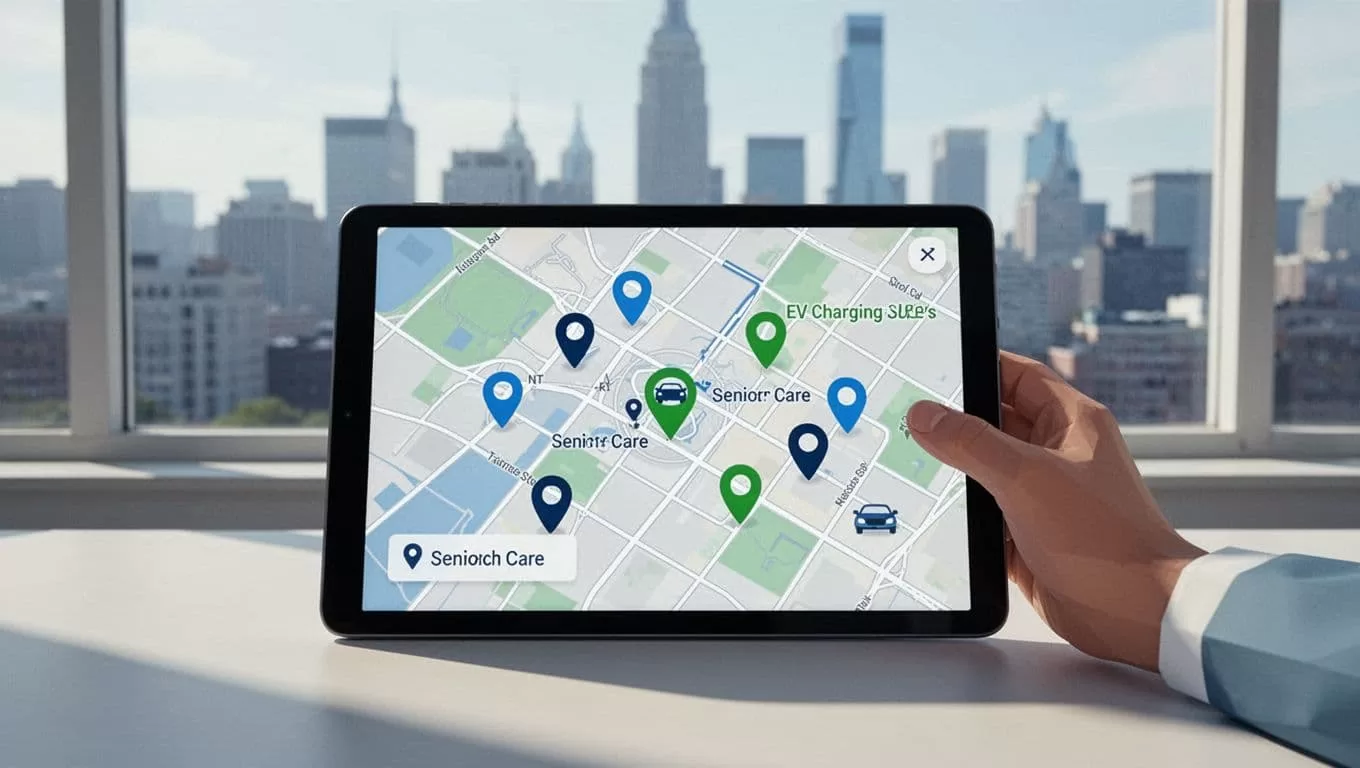
This is where geography matters. A service like mobile car detailing may work in warm suburbs. Senior care support may fit aging areas. EV charging installs may grow where new housing and commuter patterns overlap. I want the trend to match the place.
Then I test the rhythm of demand. Some services are seasonal but still profitable. Others fade when the weather changes or the school year ends. I only trust seasonality when I can plan around it.
Here’s the quick filter I use:
- Search interest stays steady across months.
- Local demand shows up in more than one city.
- Booking behavior feels phone-friendly.
- Customer pain repeats, not one-off.
- Margins leave room after labor and travel.
If a service checks those boxes, I keep going. If it only looks popular on paper, I stop.
I also keep a wider watchlist in my fast-growing industries tracker. That helps me see whether a local service is part of a larger shift or just a pocket of interest.
I separate a real trend from a short-lived fad
This step saves me from bad bets. A fad can look hot for a few weeks, then vanish. A real local service trend keeps showing the same need in different places.
I compare the two like this:
| Signal | Durable local service | Short-lived fad |
|---|---|---|
| Search pattern | Steady rise over months | One sharp spike |
| Geography | Multiple cities or regions | One pocket only |
| Customer pain | Recurring problem | Curiosity or novelty |
| Monetization | Repeat jobs or high-ticket fixes | Low-margin one-offs |
| Competition | Room for a niche angle | Clutter with copycats |
If I can’t explain the customer pain in one sentence, I usually don’t have a real market yet.
Search results help too. I scan the local SERP and look at reviews, map packs, and service pages. If the results are thin, outdated, or vague, I may have room to win. If the page one results are packed with huge brands and no local angle, I slow down.
I use my low-competition keyword process here because the best local service ideas still need room to rank. Strong demand without a search gap is hard to monetize.
I test how the service can make money before I get attached
A trend only matters if I can turn it into revenue. For local services, I want one of three things: repeat bookings, high-ticket work, or a clean lead-gen path.
That means I ask simple questions. Can the service support monthly maintenance? Can I charge for setup or consultation? Can I sell leads to operators who already have demand? If the answer is yes, I keep building.
I also watch for customer habits that make the offer easier to sell. Mobile booking matters. Fast replies matter. Trust matters even more. In 2026, people expect quick answers and easy payment, especially for pet care, wellness, and home repairs.
My strongest ideas usually fit one of these shapes:
- A local SEO lead-gen site for a service with clear demand.
- A niche agency offer for operators who need more calls.
- A content play that helps buyers compare local options.
- A service business with recurring jobs and strong referrals.
When I find a service that has search growth, local demand, and a real way to earn, I know I’m close. That is the point where trend watching turns into business thinking.
The best local service ideas feel obvious only after validation
Fast growing local services are rarely hidden in plain sight. They sit in the gap between a rising need and a clear way to serve it.
I use Exploding Topics to spot the first sign. Then I check geography, seasonality, competition, and monetization before I commit. That process keeps me from chasing noisy charts.
When the trend holds up under those tests, I know I’m looking at something worth building around. The signal is the start. The local demand is the proof.
