Retail Trends I’m Watching on Exploding Topics in 2026
The retail shifts worth watching in 2026 are already showing up in search spikes, store layouts, and checkout flows. I use Exploding Topics as an early radar, but I don’t trust a trend until I can see it in real retailer moves and cus...
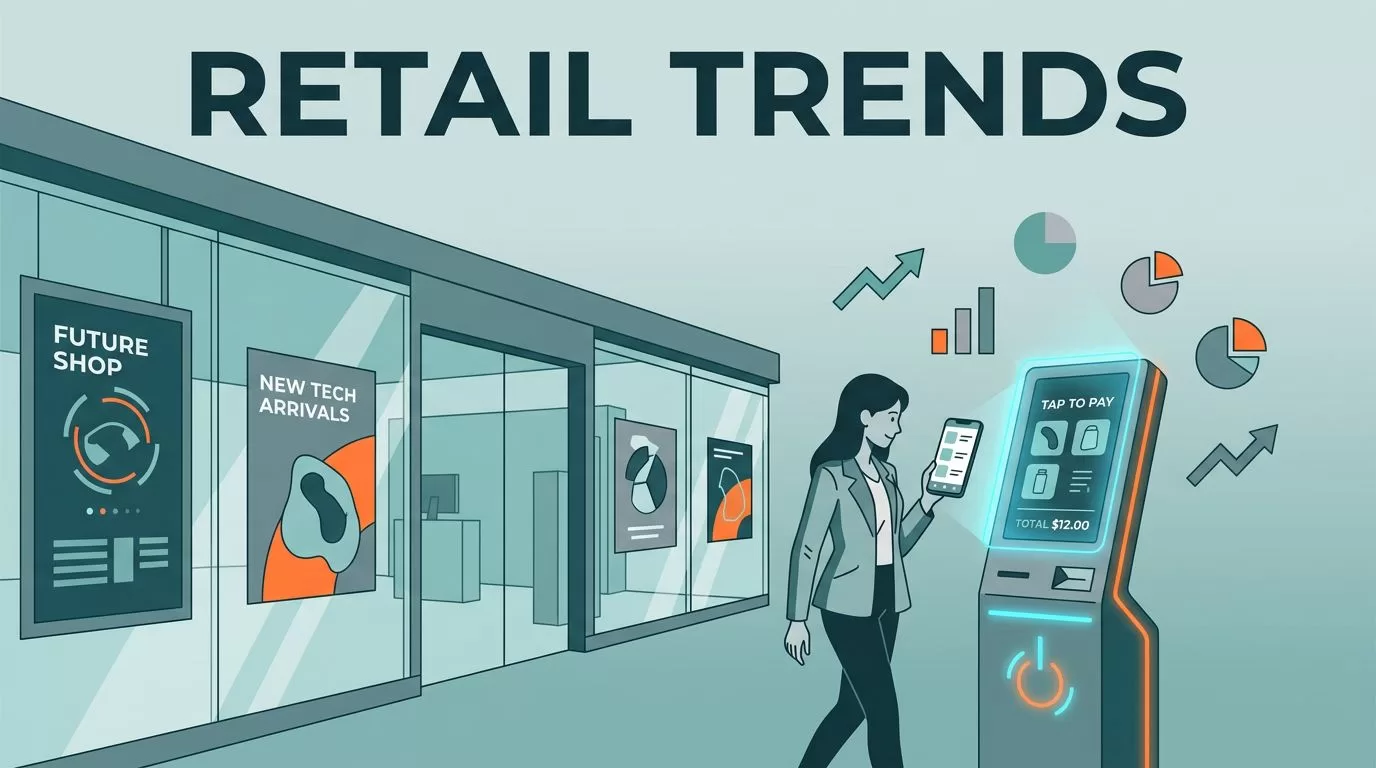
The retail shifts worth watching in 2026 are already showing up in search spikes, store layouts, and checkout flows. I use Exploding Topics as an early radar, but I don’t trust a trend until I can see it in real retailer moves and customer behavior.
That filter matters. If a trend changes how people discover, compare, buy, or receive products, I take it seriously. If it only sounds interesting, I leave it alone. That is the lens I use below.
How I tell a real retail shift from a passing spike
I start with Exploding Topics’ April 2026 trending topics page and then I compare it with Exploding Topics’ 2026 trend-spotting outlook. That gives me a fast read on what people are searching for before the market settles.
Then I check for proof. Are major chains changing store formats? Are platforms changing how checkout works? Are prices, stock levels, or fulfillment promises shifting in public view? When I need a repeatable way to track those changes, I use no-code AI web scraper Browse AI to monitor competitor sites, inventory, and pricing without building my own scraper.
A trend is useful only when it changes how people buy, not when it sounds exciting.
I also look for overlap. When the same theme shows up in search data, store rollouts, and platform updates, it usually has real staying power. That is where the clearest retail trends are hiding in 2026.
The retail trends I trust most in 2026
Hybrid shopping has become the default
Shoppers do not think in channels anymore. They move from app to store to pickup counter without caring which team owns each step. That is why hybrid shopping keeps growing.
Walmart’s “Stores of the Future” work is a strong signal here. QR codes, kiosks, and smoother pickup flows show how physical stores are being wired into online behavior. I see this trend growing because it saves time and reduces friction. People still want to touch products, but they also want faster answers.
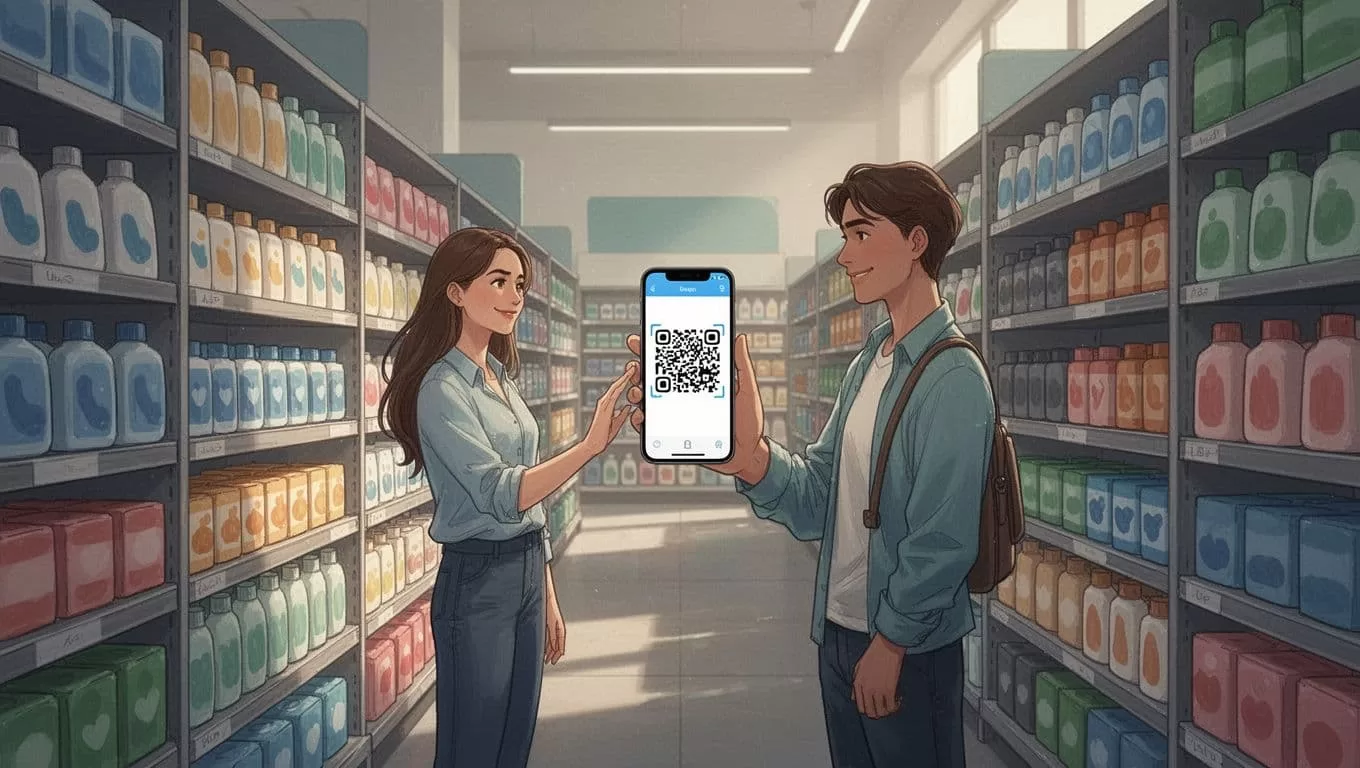
Retailers should connect inventory across web and store, show local stock in real time, and make pickup and returns painless. The risk is simple. If the promise breaks in one channel, trust drops in all of them.
Social commerce turns scrolling into a sales path
Social commerce is no longer a side bet. It is where discovery starts for a lot of shoppers, especially in beauty, gifts, apparel, and impulse buys. A short video can now do the work of a sales floor conversation.
Walmart’s TikTok Shop move makes this even clearer. It links social discovery with same-day delivery and curbside pickup, which shortens the gap between interest and purchase. I think this trend is growing because social proof feels faster than search, and human content feels easier to trust.
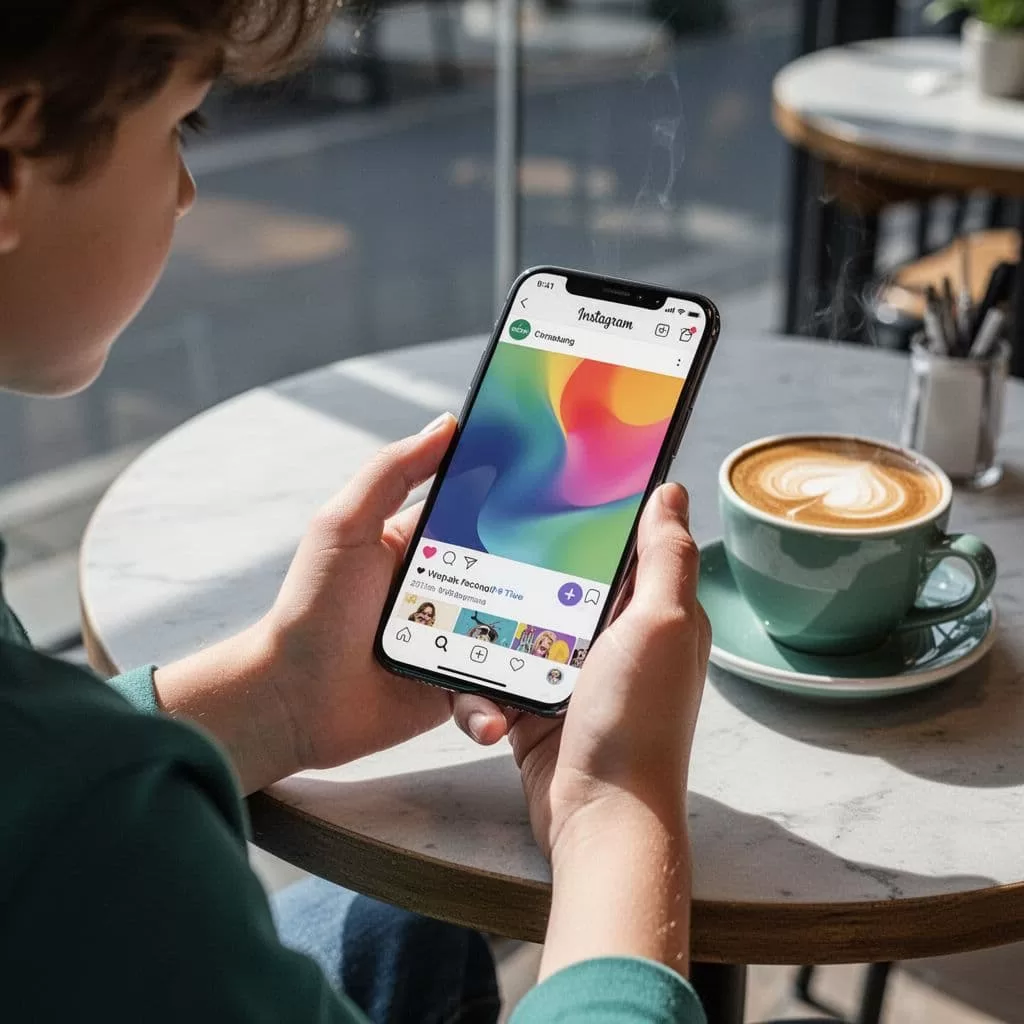
The upside is reach. The downside is dependence on platform algorithms and thin margins. I would build social content, creator partnerships, and landing pages that can convert traffic after the click. Otherwise, the sale sits in someone else’s feed.
AI personalization is moving into the store ops stack
AI personalization used to mean product recommendations. In 2026, it reaches deeper. It touches pricing, inventory, search, merchandising, and even traffic flow inside stores.
Walmart’s real-time recommendations and inventory work show how this is spreading. I see the trend growing because AI can help retailers cut waste and raise basket size at the same time. That is attractive when every margin point matters.
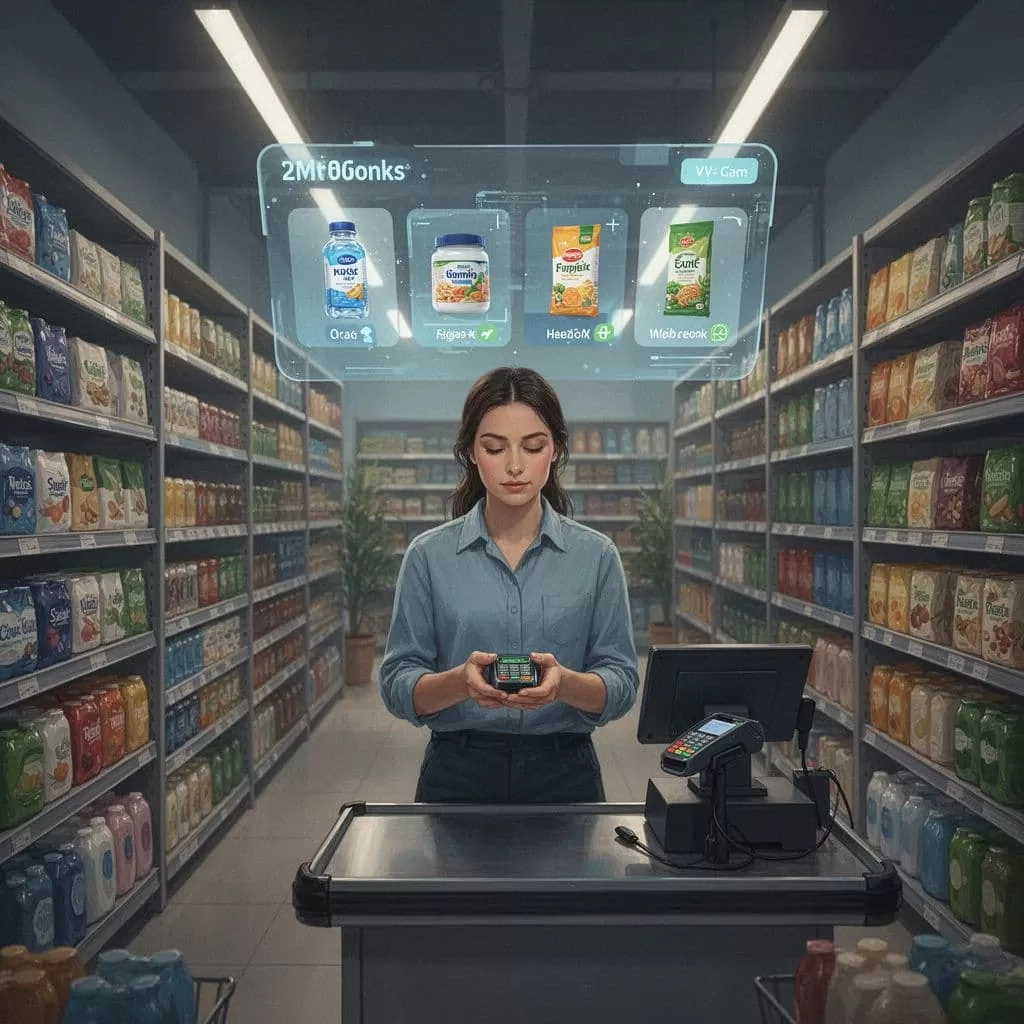
Still, the limits are real. Bad product data creates bad recommendations. Weak governance creates creepy ones. I would clean catalog data first, then test recommendations against margin and repeat rate, not just clicks. For a closer look at how personalized experiences affect conversion, I use analyze funnels and metrics using Mida.so.
Value and speed are shaping what wins the basket
Price pressure is still pushing buying behavior, but shoppers do not want a boring tradeoff. They want value with enough appeal to feel worth sharing, gifting, or keeping. That is why tighter assortments and sharper promos keep showing up.
At the same time, speed is moving from a perk to an expectation. Amazon’s 30-minute delivery tests and broader same-day networks show how high the bar has climbed. I see this trend growing because people compare retail to every other fast service they use.
Retailers should simplify assortments, protect margin by segment, and use stores as mini fulfillment hubs where it makes sense. The risk is a race to the bottom. Faster delivery helps only when the economics still work.
Connected packaging is becoming part of the data layer
Connected packaging sounds small, but it reaches into stock control, returns, and customer info. RFID tags, smart shelf labels, and package data help retailers see what is moving and what is stuck.
Walmart’s RFID push is a good example. It shows how packaging and shelf data can feed cleaner inventory checks and better online visibility. I think this trend is growing because retailers want fewer stockouts and less guesswork.
The limitation is cost and setup effort. Small chains can get buried in tag fees and process changes. I would start with fast-moving categories where stock errors hurt the most, then expand only after the numbers improve.
What I would watch next
The strongest retail trends in 2026 are the ones that change behavior across the whole trip, from discovery to delivery. Hybrid shopping, social commerce, AI personalization, value pressure, speed, and connected packaging all point to one thing, retailers need cleaner data and faster decisions.
That is why I treat trend tools like Exploding Topics as a starting point, not a finish line. The signal becomes useful only when I can see it in stores, feeds, pricing, and fulfillment. The retailers that win this year will be the ones that spot the pattern early, then test it before everyone else catches up.
