How I Find Home Decor Trends with Exploding Topics
A decor trend can feel obvious only after it’s everywhere. By then, the early buyers have already moved on, and the best angles are harder to find. That’s why I use Exploding Topics to spot home decor trends before they feel cro...
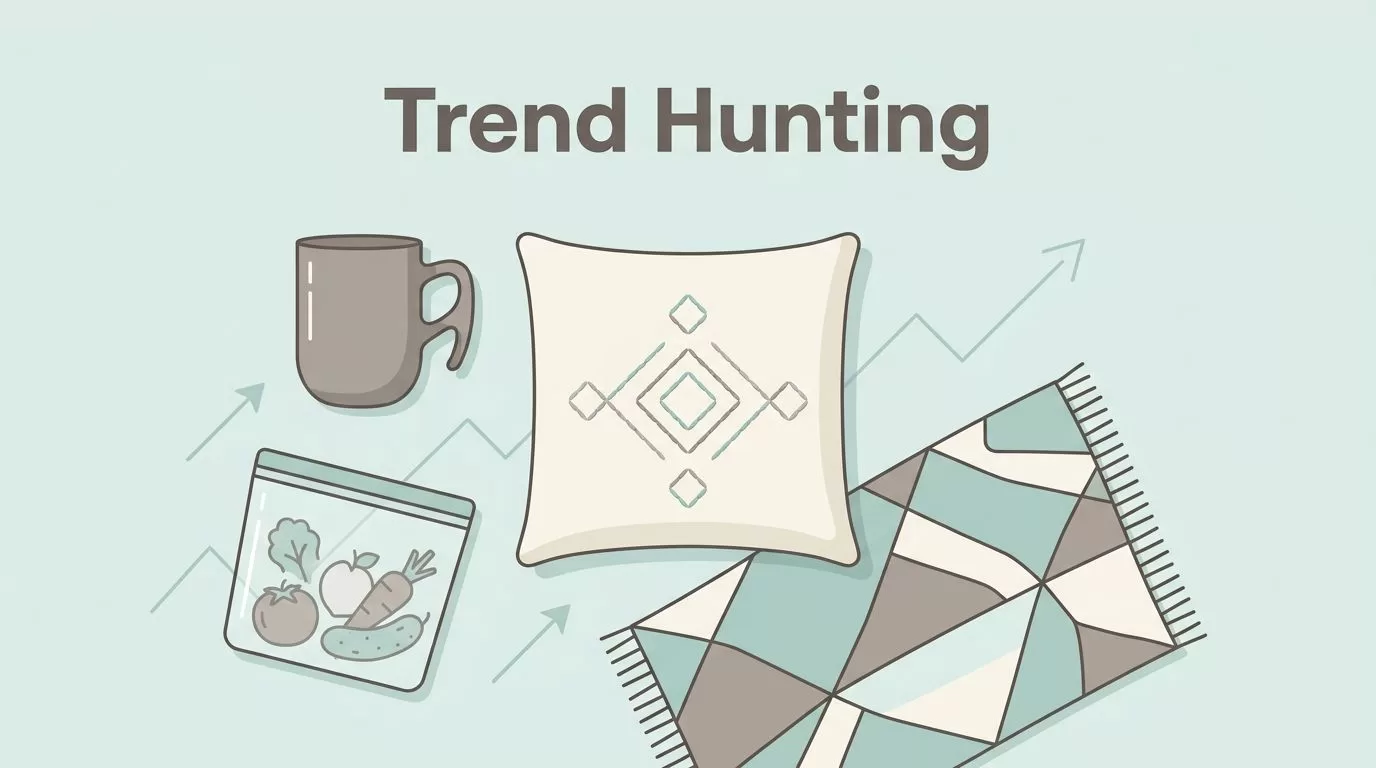
A decor trend can feel obvious only after it’s everywhere. By then, the early buyers have already moved on, and the best angles are harder to find.
That’s why I use Exploding Topics to spot home decor trends before they feel crowded. In 2026, I care less about pretty inspiration and more about signals, things like rising searches, repeat interest, and products that people actually want in their homes.
How I scan the home topics feed
I start with the Exploding Topics home topics feed and look for motion, not noise. In April 2026, the feed points to items like ergonomic mugs, custom embroidered pillows, silicone kitchen bags, and geometric rugs. Those are useful because they hint at the mood behind the market.
When I want the bigger method, I cross-check that view with my Exploding Topics trend spotting process. That keeps me from chasing one shiny item without context.

I watch for a steady slope, not a one-day spike. I also look for clusters. If pillows, rugs, and tableware all rise together, I take that much more seriously than a single isolated term.
The signals I check before I trust a trend
A trend can look beautiful on a mood board and still fail in the real world. So I check four signals before I act.
| Signal | What I look for | Why it matters |
|---|---|---|
| Trend momentum | A steady climb, not a brief jump | It suggests real interest |
| Search intent | Words like “buy,” “custom,” “best,” or “ideas” | It shows people are ready to act |
| Seasonality | Spring refreshes, holiday gifting, back-to-school timing | It helps me launch at the right moment |
| Commercial potential | Products, services, or content I can sell or promote | It turns attention into revenue |
I don’t act on a trend until I can explain who wants it, why now, and how it can make money.
For a wider design read, I also skim Better Homes & Gardens’ 2026 decorating trends. That helps me see whether a topic is part of a broader style shift or just a short burst of attention.
What the April 2026 home decor feed is telling me
The current data tells a clear story. People want items that feel useful and personal at the same time.
Ergonomic mugs are leading with strong growth, and that makes sense. Buyers want everyday objects that feel better in the hand and still look good on a shelf. Custom embroidered pillows point to the same behavior. People want a home that feels personal, not copy-pasted.
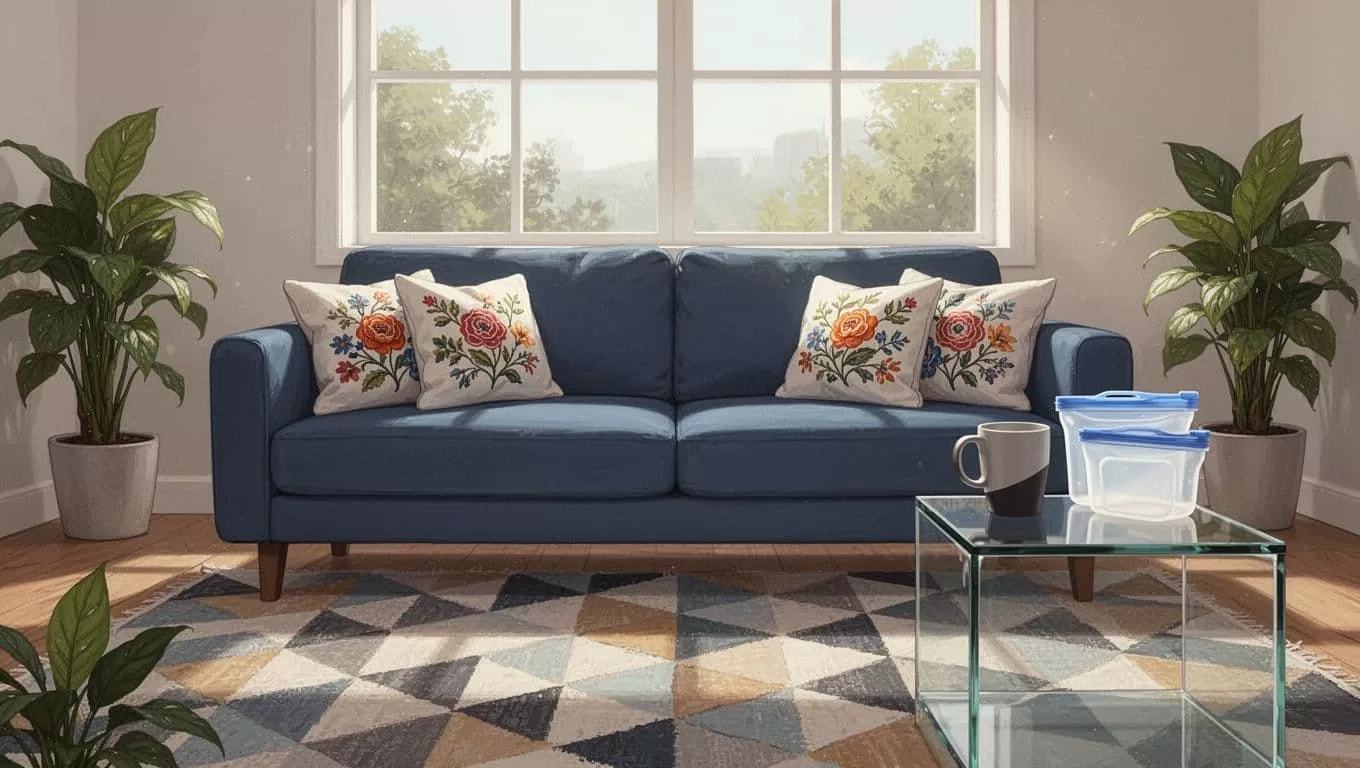
Photo by Rods Aguiar
Silicone kitchen bags add another layer. They show that storage and sustainability still matter, especially when the product solves a daily problem. Geometric rugs, meanwhile, bring structure into a room. They make a space feel planned without feeling stiff.
I read that mix as a practical trend, not a flashy one. That matters because practical trends usually have more staying power. For a second point of view, I also check Havenly’s 2026 home decor trends, since it helps me see how designers are framing the same shift.
How I turn a decor trend into something useful
I don’t stop at the trend itself. I ask what I can do with it.
For content creators
I turn one rising topic into a small content cluster. If embroidered pillows start climbing, I might write about styling ideas, gift guides, room pairings, and care tips. That gives me more than one shot at search traffic, and it lets me build around a theme while it still feels fresh.
For online store owners
I use the trend as a test, not a full buying plan. If a decor item has clear intent, I look at product pages, bundles, and add-ons. A geometric rug can lead to matching throws, wall art, or accent pieces. When I need a broader product lens, I compare it with tracking new ecommerce niches with Exploding Topics. That helps me see whether the idea can support a real store category.
I also time launches carefully. If the trend feels seasonal, I follow my seasonal launch timing guide and get ahead of the buying rush. Late entries usually spend more and learn less.
For interior design professionals
I use trend data as a language tool. It helps me explain why a client may be drawn to a softer mug shape, a personalized pillow, or a more graphic rug pattern. That makes mood boards easier to sell and sourcing easier to frame.
It also keeps me grounded. I don’t need to redesign every room around a trend. I just need to borrow the parts that fit the client’s style and daily life.
What I watch before I move on a trend
Before I act, I ask a few simple questions. Is the trend still climbing? Are people searching with buying intent? Does it fit a season or a longer habit? Can I make money from it without forcing the idea?
If the answer is yes, I test small. If the answer is fuzzy, I keep watching. That discipline saves me from filling a cart, a content calendar, or a design pitch with something that won’t last.
The best home decor trends don’t shout first. They settle into daily life, then spread. When I use Exploding Topics well, I can spot that shift early and build around it with more confidence.
