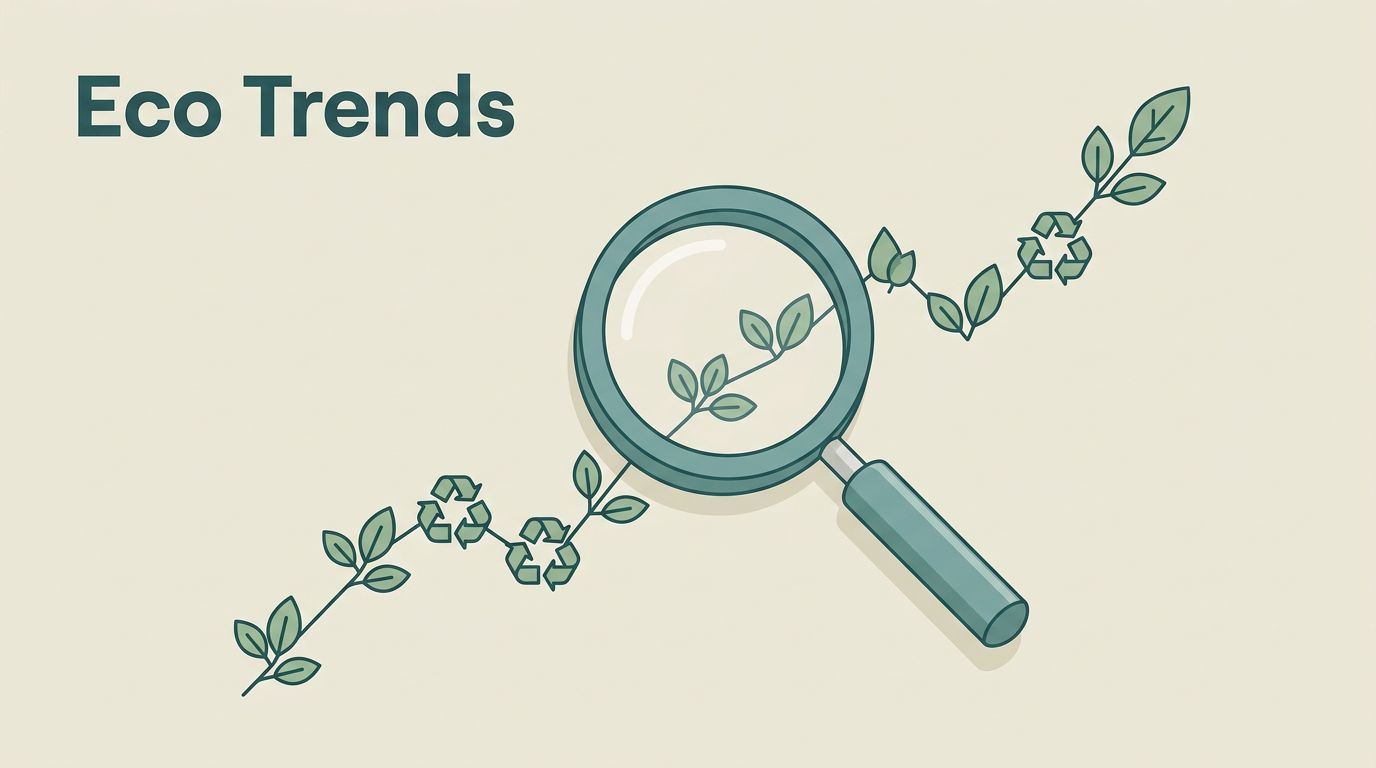
The best sustainable products rarely arrive with a drumroll. They usually start as a small shift in search behavior, a few sharper product reviews, or a quiet rise in buyer language.
In April 2026, I keep seeing that pattern around refillable packaging, low-waste personal care, recycled materials, and resale-friendly goods. If I wait until every marketplace is crowded, I miss the easiest opening.
I use Exploding Topics to catch that shift early, then I test whether the idea has real purchase intent. That is where a trend stops being interesting and starts being useful.
The signals I trust before I call a trend real
I start with my trend discovery process and the Trending Eco Topics page. I am not looking for the biggest spike. I want a slope that keeps rising and language that sounds like shopping.
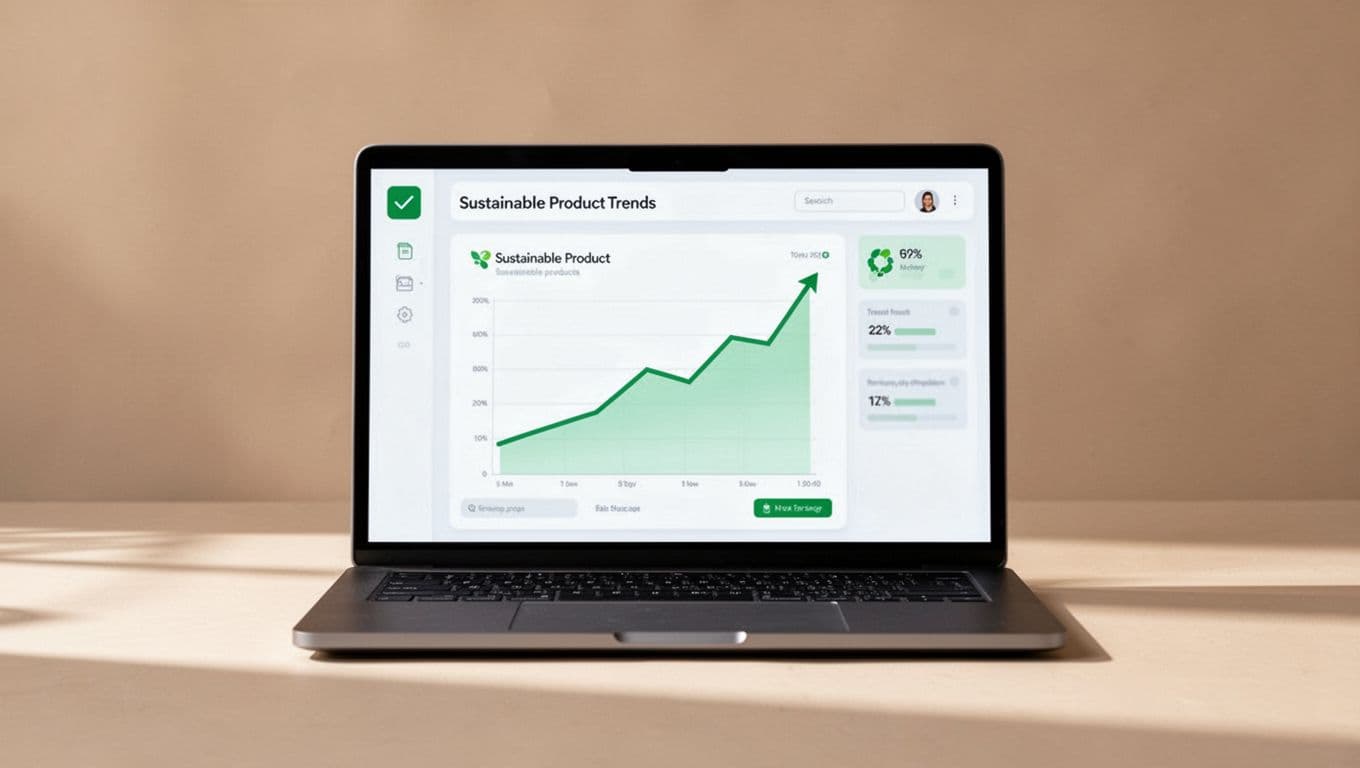
I watch for the same idea showing up in more than one place. If a topic grows on Exploding Topics, then shows up in search phrasing and product chatter, I pay attention. A single viral post can mislead me. A steady climb feels different.
Here is the pattern I use to judge early movement.
| Signal | What I want to see | Why I care |
|---|---|---|
| Search slope | steady lift over weeks or months | attention is broadening |
| Buyer language | “refill”, “reusable”, “recycled”, “starter kit” | intent is getting warmer |
| Related terms | more subtopics around one product | the category can expand |
| Review tone | comments about waste, durability, leaks, or disposal | the pain is real |
A rising chart is useful only when I can name the buyer behind it.
That is why I read the words around the trend, not just the number. If people keep using the same terms, I know the market is forming a shape.
Where sustainable demand is strongest right now
In April 2026, the categories I watch most are circular packaging, refill systems, upcycled apparel, and small household goods with clear replacement cycles. That lines up with Trend Hunter’s 2026 eco trends, and it matches the rising ecommerce niches I track through Exploding Topics.
Post-consumer recycled content matters because buyers can understand it fast. So do bamboo, recycled PET, aluminum, glass, and organic cotton. I care less about the slogan and more about whether the material fits a real use case.
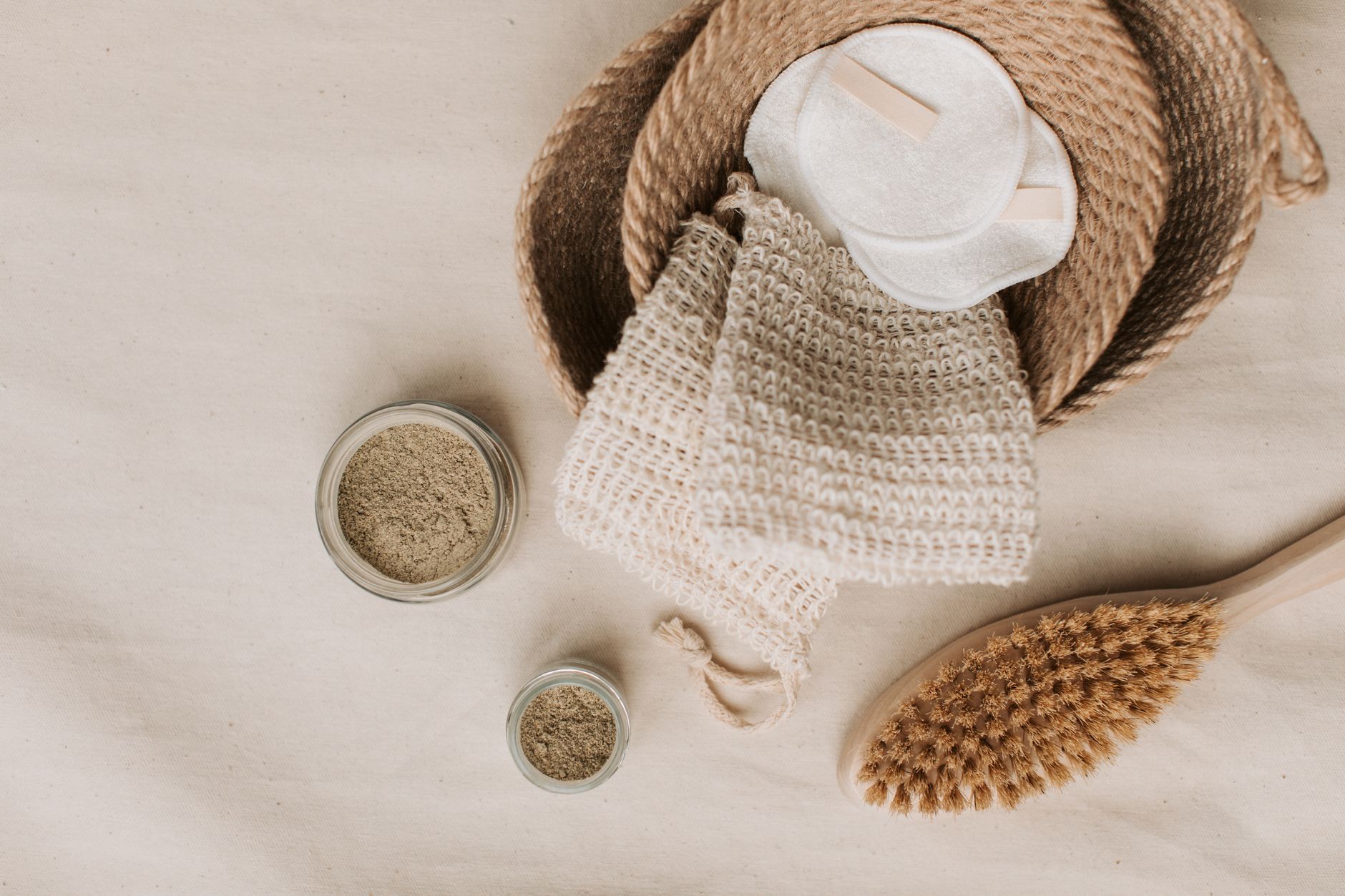
Photo by Vlada Karpovich
Bathroom and kitchen products are strong starting points because they are used often and replaced often. That creates a clearer commercial path. A refillable soap system, concentrated cleaner, or reusable care item can support repeat orders without a giant launch.
Upcycled fashion and resale-friendly basics work a little differently. The story is not only the first sale. The second life of the item matters too. That can help if I build around take-back programs, repair parts, or resale inventory.
I also look for products that reduce waste without asking the buyer to change everything. If the use case feels natural, the product is easier to sell. If it feels preachy, I slow down.
My validation filter before I spend money
I do not call a trend real until I can point to a buyer, a price, and a repeat use case.
- I check search phrasing. When people search for “best”, “refill”, “recycled”, “non-toxic”, or “starter kit”, they are closer to purchase.
- I read reviews and comments. I look for repeat complaints about waste, durability, leaks, packaging, or disposal.
- I scan competitors. A few weak listings give me room. A wall of polished copycats tells me to wait.
- I run the margin math. Sustainable products can look attractive and still fail when shipping, packaging, and returns eat the profit.
- I watch the claim risk. If a product needs certifications or careful proof, I want that fact clear before I launch.
I also pair this with keyword angles from rising topics, because the words buyers use tell me how they want to shop. That helps me decide whether I am looking at curiosity, comparison, or buying intent.
This step saves me from greenwashing traps. A product can sound responsible and still be hard to support with real operations. I want the category to make sense on the page, in the cart, and after delivery.
The first products I would test
If I were launching today, I would start with the smallest version of the offer. A refillable cleaner starter kit, a bamboo personal-care bundle, a recycled-material travel pouch, or replacement parts can tell me more than a full catalog.
I like products with a repeat path, because that is where sustainable products can work as a business, not just a nice idea. Refills, accessories, take-back programs, and subscription packs all give me a second sale to chase.
I would also avoid oversized, fragile items at first. Shipping can crush the economics fast. Instead, I would look for something light, easy to explain, and simple to restock.
When I need a sanity check, I return to my data process for real demand. It helps me separate a trend with buyers from one with only attention.
That process keeps me honest about commercialization. I want products that are easy to explain, easy to ship, and easy to buy again.
What I keep in mind before I commit
I use Exploding Topics as an early warning light, not a finish line. The useful part is spotting sustainable products while the signal is still small, then checking whether the category has clear buyers, honest materials, and a repeat purchase path.
When those pieces line up, I am not chasing a green fad. I am looking at a product people can keep buying for the right reasons.