How I Spot Workplace Safety Gear Trends With Exploding Topics
Workplace safety gear changes faster than most buying teams expect. One quarter I see a better glove, and the next I see a helmet that talks to a phone. I use Exploding Topics to catch those shifts before they settle into every catalog and...

Workplace safety gear changes faster than most buying teams expect. One quarter I see a better glove, and the next I see a helmet that talks to a phone.
I use Exploding Topics to catch those shifts before they settle into every catalog and bid sheet. That matters because early signals can shape stock, specs, and budgets for safety buyers, EHS leaders, distributors, and product teams.
The hard part is telling real demand from noise. I start with search growth, then I check regulations, seasonality, and buyer intent. After that, the trend starts to make sense.
What Exploding Topics shows me first
I never start with the product itself. I start with the pattern around it.
When I scan Top Trending Topics (April 2026) and Trending Product Topics, I look for steady climbs, not one-day jumps. I use the same habit I use in spotting investment trends with Exploding Topics. A clean curve tells me more than a loud headline.

I also watch the language people use. “Smart PPE” is useful, but “heat alert vest” or “connected helmet” tells me more about buying intent. That smaller language often shows up before the broader category gets crowded.
The workplace safety gear categories I watch in 2026
In 2026, I keep my eye on gear that adds sensing, comfort, or better fit. Those three ideas keep showing up across new products.
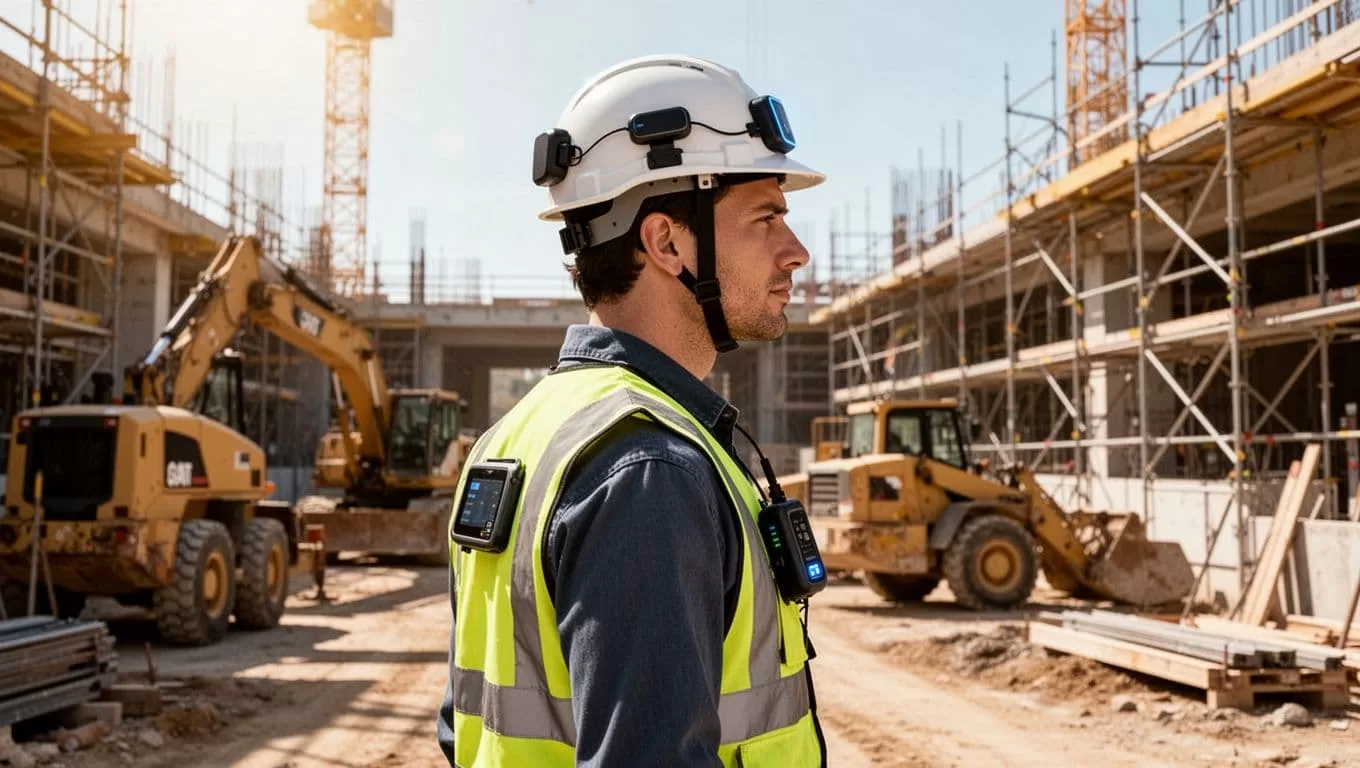
Smart PPE and connected helmets
Smart PPE is where I see the strongest early signal. Helmets, vests, gloves, and wrist gear now carry sensors that track impact, air quality, fatigue, or body heat.
Connected helmets stand out because they fit real work. If a hard hat can warn about a fall or bad air, it solves more than one problem at once. That is the kind of gear that gets attention from both safety teams and product teams.
Heat stress, ergonomics, and lone-worker devices
Heat stress monitoring matters more every summer. As job sites get hotter, vests and wearables that detect rising body temperature move from nice-to-have to practical.
I also watch ergonomic support gear. Knee pads, anti-fatigue insoles, wrist supports, and lift-assist accessories do not sound flashy, but they solve daily pain. That makes them sticky.
Lone-worker devices belong in this bucket too. If a worker is alone in a warehouse, yard, or utility route, a small wearable that sends alerts can be the difference between a quick response and a long delay.
Protective eyewear and respiratory protection
Eye protection keeps evolving in quiet ways. I watch for anti-fog coatings, wraparound frames, prescription inserts, and eyewear that works better with helmets and face shields.
Respiratory gear is another category with real movement. Better fit, lighter materials, and reusable designs matter because people wear them longer when they feel easier on the face.
Gear gets adopted faster when it solves discomfort as well as risk.
For fit, I keep an eye on 2026 proper-fit rule coverage. Poor fit kills usage, and unused PPE is just shelf weight.
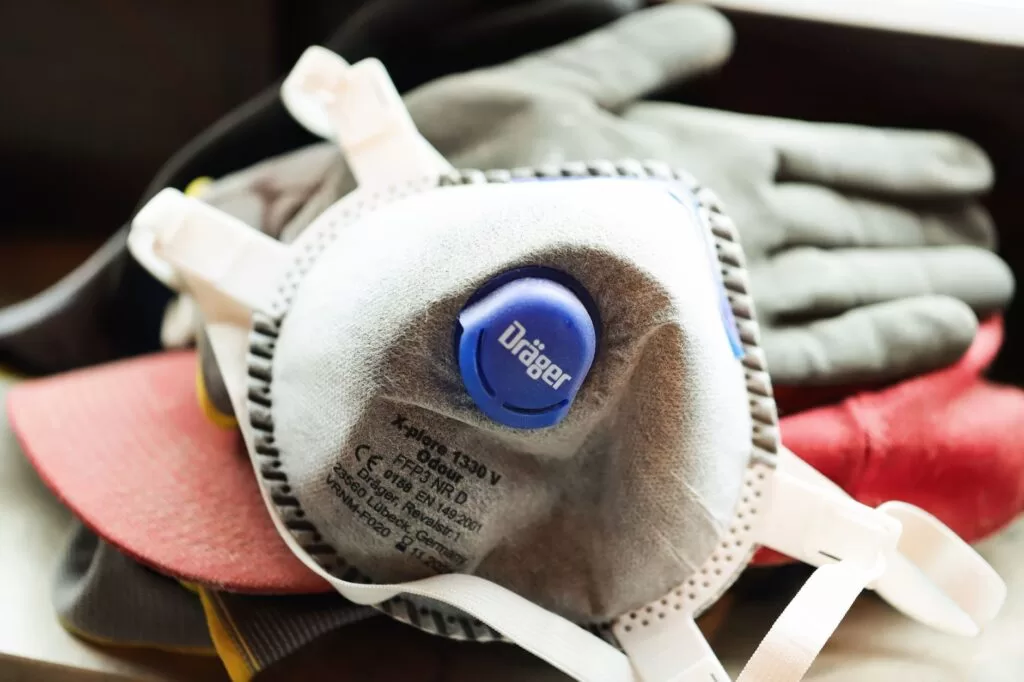
Photo by Christina & Peter
How I separate hype from real demand
I trust a trend only after it survives a few checks. Search growth is the first one, not the last one.
| Signal | What I check | Why it matters |
|---|---|---|
| Search growth | Steady gains over weeks, not a single spike | Spikes fade fast |
| Regulations | OSHA fit rules, respirator guidance, site policies | Compliance can force adoption |
| Industry adoption | Construction, utilities, warehousing, and manufacturing | Broad use is harder to fake |
| Seasonality | Heat, cold, wildfire smoke, storm prep | Some trends peak for one season only |
| Buyer intent | Words like “buy”, “fit”, “compliant”, or model numbers | That shows purchase pressure |
A spike gets my attention. Buyer intent gets my budget.
I also compare the trend with the real work behind it. If a helmet trend rises, but buyers keep asking about fit, weight, and battery life, the market is telling me what matters. If the search line climbs only during heat waves, I treat it as seasonal, not permanent.
What I do with the signal by role
Different teams need different proof, so I use the same trend in different ways.
- Safety buyers watch for gear tied to repeat hazards, like heat, falls, or poor air. I look for products that solve a daily problem, not a one-time scare.
- EHS leaders map rising terms to training gaps and incident logs. If workers keep asking for better eyewear or lighter respirators, that points to adoption friction.
- Distributors should care about repeat demand and multi-site use. I want products that move across industries, not a one-off novelty.
- Product teams can compare search language with fastest-growing tech sectors to see whether a gear idea belongs in a bigger tech shift. That helps with naming, features, and pricing.
I also cross-check adjacent categories when the same buyers start shopping for boots, visibility gear, or other site essentials. That keeps the signal grounded in a real purchase cycle.
The best workplace safety gear trends do not shout first. They creep up through search, then show up in rules, then land in budgets.
That is why I trust Exploding Topics for an early read, but I still test every signal against fit, demand, and actual use. In 2026, the winning products are the ones workers will wear all day, not the ones that only look smart on a trend chart.
