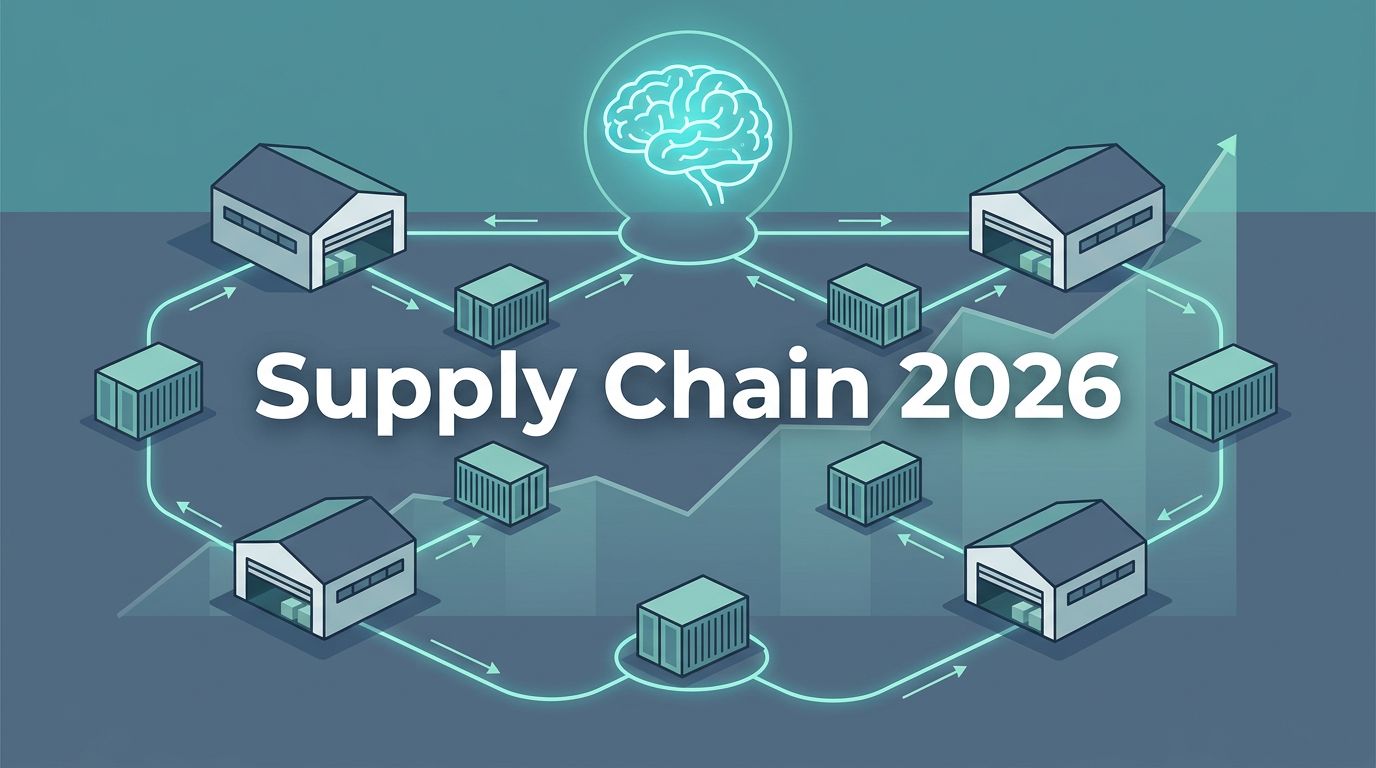
Supply chains don’t fail all at once. They wobble first, then the cracks show up as late freight, missing stock, and angry customers. That is why I keep watching supply chain solutions that show early momentum, not just polished vendor claims.
When I want a quick read on what’s gaining traction, I start with Exploding Topics’ supply chain trends page. It helps me separate real movement from short-term buzz. In 2026, the tools worth attention are the ones that improve forecast accuracy, cut blind spots, and help teams act before the next disruption lands.
The strongest solutions now fall into a few clear groups.
AI Forecasting Is Becoming a Control Layer
I used to think of forecasting as a planning task. Now I see it as an operating layer. The newest systems do more than predict demand. They flag risk, suggest actions, and sometimes trigger them on their own.
That matters because procurement and logistics teams lose time in the gap between alert and response. Agentic AI closes that gap. It can spot a supplier delay, compare carrier options, and recommend a new route before a planner checks three dashboards. In practice, that means fewer manual handoffs and fewer hours lost to exception triage.
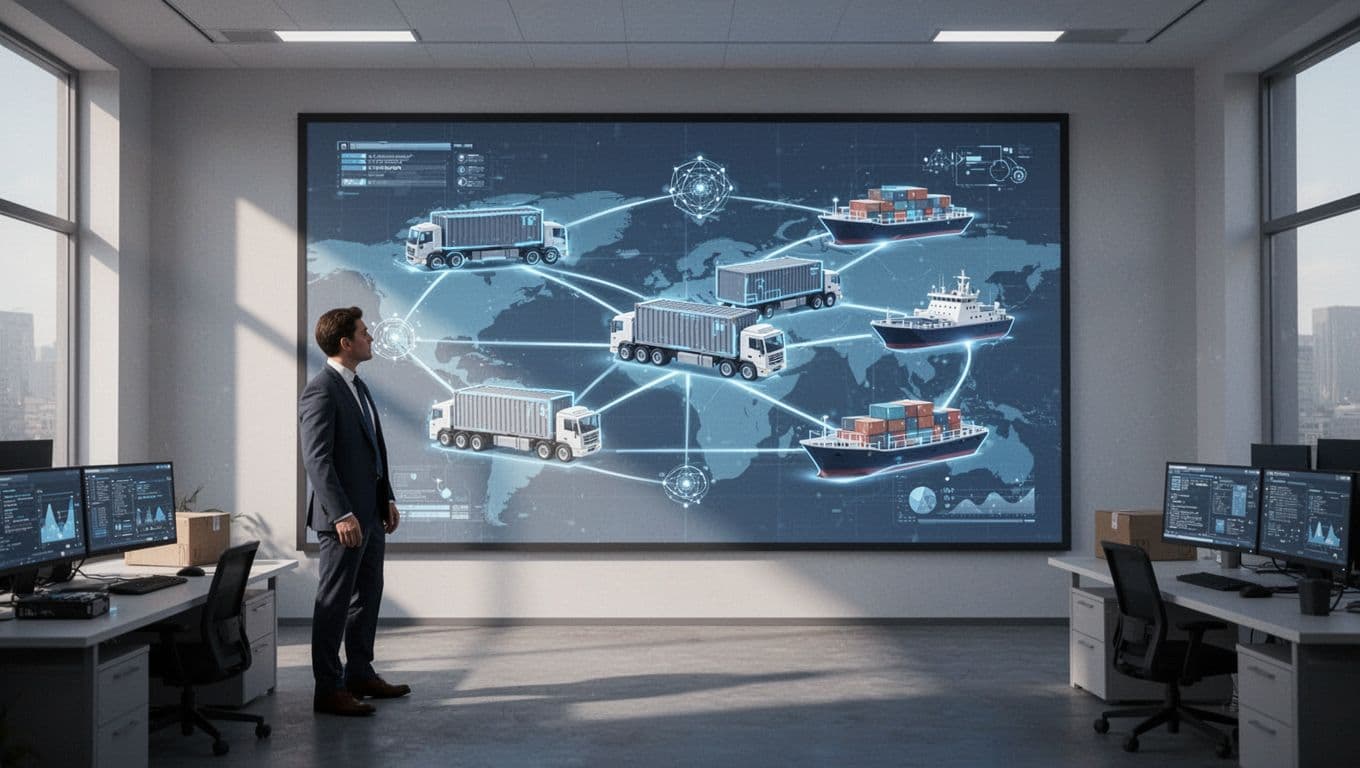
Microsoft’s Supply Chain 2.0 vision points in the same direction. Simulations, decision engines, and physical automation are starting to work as one system. I see that as a big shift for demand planning, purchase timing, and exception management.
I trust AI most when it shortens the path from signal to action.
That is the real test. If the forecast only creates another dashboard, it adds noise. If it helps me reorder, reroute, or rebalance inventory, it earns a place in the stack.
Connected Data Is the Real Foundation
AI does not fix messy data. It magnifies it. That is why I treat integration work as one of the best supply chain solutions on the market, even if it looks less exciting than robotics.
A real answer connects ERP, WMS, TMS, supplier portals, and spreadsheets into one view. Then I can see the same order, shipment, and inventory position across teams. Without that, planners spend their day reconciling versions instead of making decisions. With it, demand planning, procurement, and warehouse teams work from one number set.
I also care about master data. If item codes, units, and lead times do not match, even smart software makes confident mistakes. Clean data makes procurement cleaner too, because vendor performance, lead times, and price changes become easier to trust.
A 2026 look at resilience and regulation in Supply Chain Management Trends Shaping Resilience in 2026 makes this point well. Clean data is not a side project anymore. It is the base layer for everything that follows.
If I am evaluating software, I ask one simple thing: can it connect without creating another silo?
Visibility Tools Need to Act, Not Just Report
Real-time visibility has grown up. I no longer want a map that tells me a container is late after the problem is already fixed. I want systems that can spot the delay, estimate the impact, and recommend a response.
IoT sensors now help with temperature, shock, location, and dwell time. That matters most in cold chain, high-value freight, and long international lanes. It also matters for inventory management, because I can see where stock is stuck, not just where it was supposed to go.
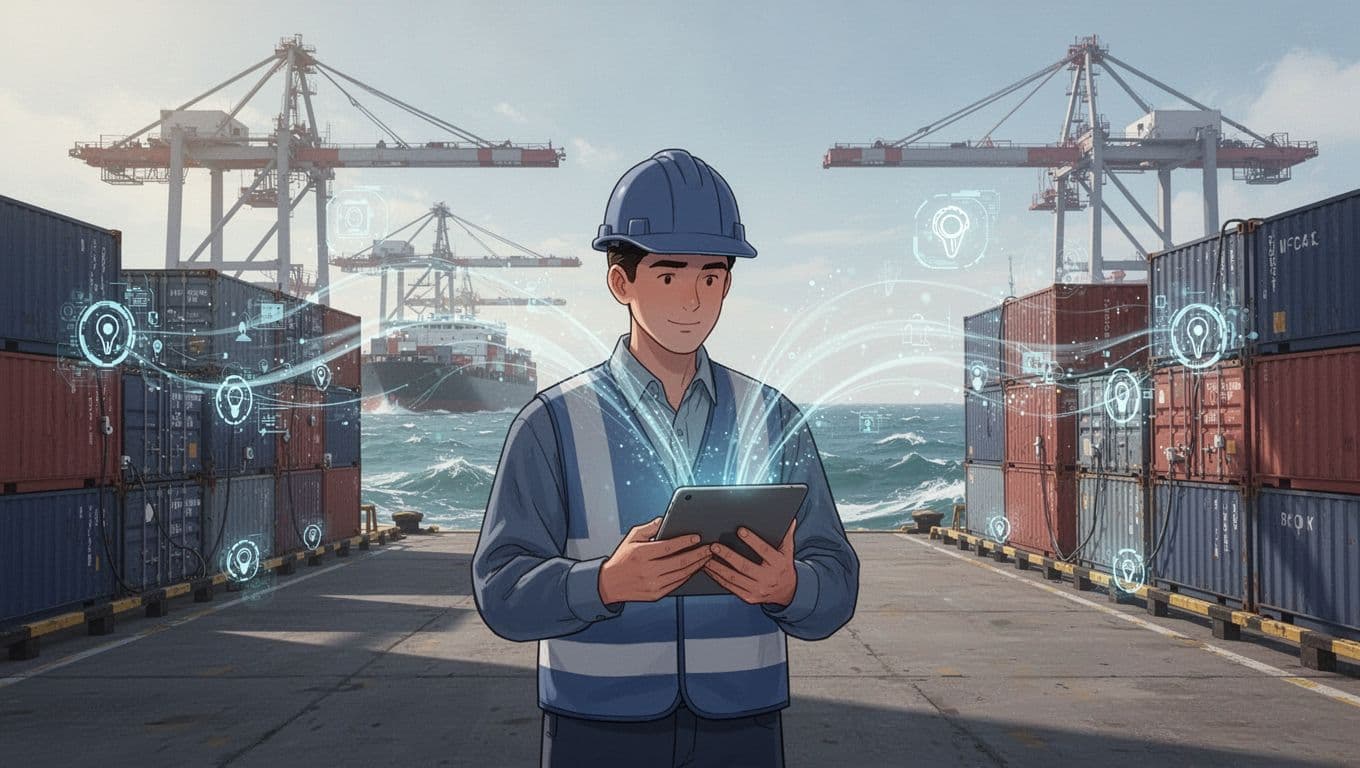
Control towers are getting smarter too. They are becoming decision engines that pull in live data, run what-if scenarios, and help teams reroute freight or shift stock before service levels slip. That shift matters for resilience, because a risk spotted early is cheaper to fix.
I also like this category for procurement. When I can see transit patterns, dwell times, and port delays, I can buy with better lead-time math. That makes forecasting less of a guess and more of a decision.
Robotics Is Moving Beyond the Warehouse Demo
Warehouse automation used to feel like a trade-show story. In 2026, I see it as a practical answer to labor gaps, error reduction, and faster order flow.
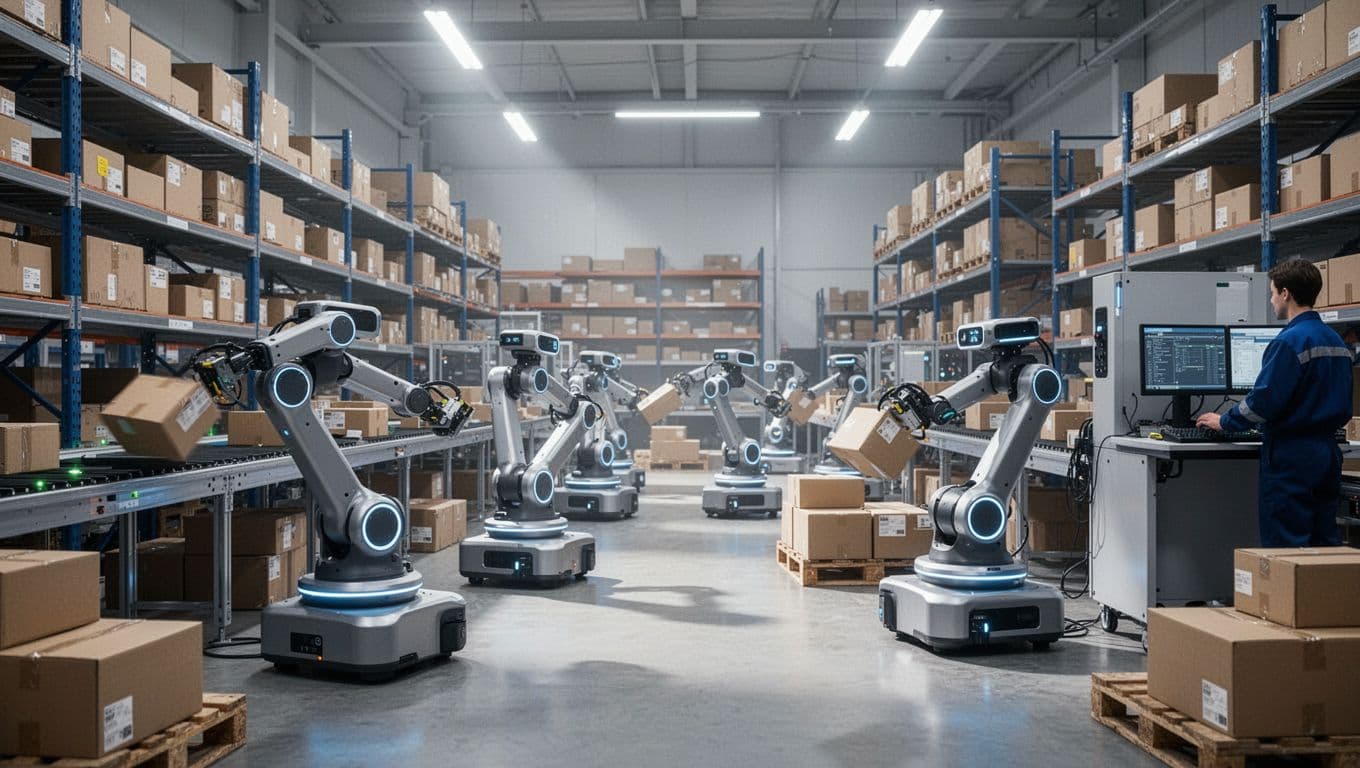
Autonomous mobile robots, goods-to-person systems, and robotic sorters are maturing fast. They help with repetitive movement, especially in fulfillment centers where time gets lost in walking, lifting, and hand counting. For me, the biggest win is inventory accuracy. When the shelf and the system agree more often, planning gets easier and rework drops.
Cycle counts become more useful too. If robots and scanners keep location data cleaner, I spend less time hunting for phantom stock. That has a direct effect on service levels, because the right item is more likely to be in the right place when an order drops.
Still, I look for tools that fit the site, not just the brochure. A small team may need pick-assist robots. A larger network may need automated sorting at the edge and tighter orchestration in the middle. The right choice depends on volume, SKU mix, order promise, and floor layout.
How I Judge a Supply Chain Solution Before I Trust It
A tool can look smart and still fail in the field. So I test for fit before I get distracted by features.
I start with the decision it changes. If it does not improve reordering, routing, slotting, or supplier review, I keep looking. Then I check how it fits into existing systems, because a separate island of data creates more work than value.
I also want a clear payback story. Time saved matters, but so do fewer stockouts, better fill rates, and less manual cleanup. For founders and operators, those numbers make adoption much easier to defend.
The last test is adoption. If my team needs weeks of training just to use the core workflow, the tool will stall. The best supply chain solutions feel familiar fast, even when the logic behind them is advanced.
The strongest products in 2026 do one thing well. They reduce the distance between a problem and a useful response.
Supply chains are getting more complex, but the best tools are getting more practical. I keep seeing the most value in AI planning, connected data, live visibility, and warehouse automation.
If I had to name the common thread, it would be this: the best supply chain solutions do not just show what is happening. They help me act before the next delay becomes a bigger problem.