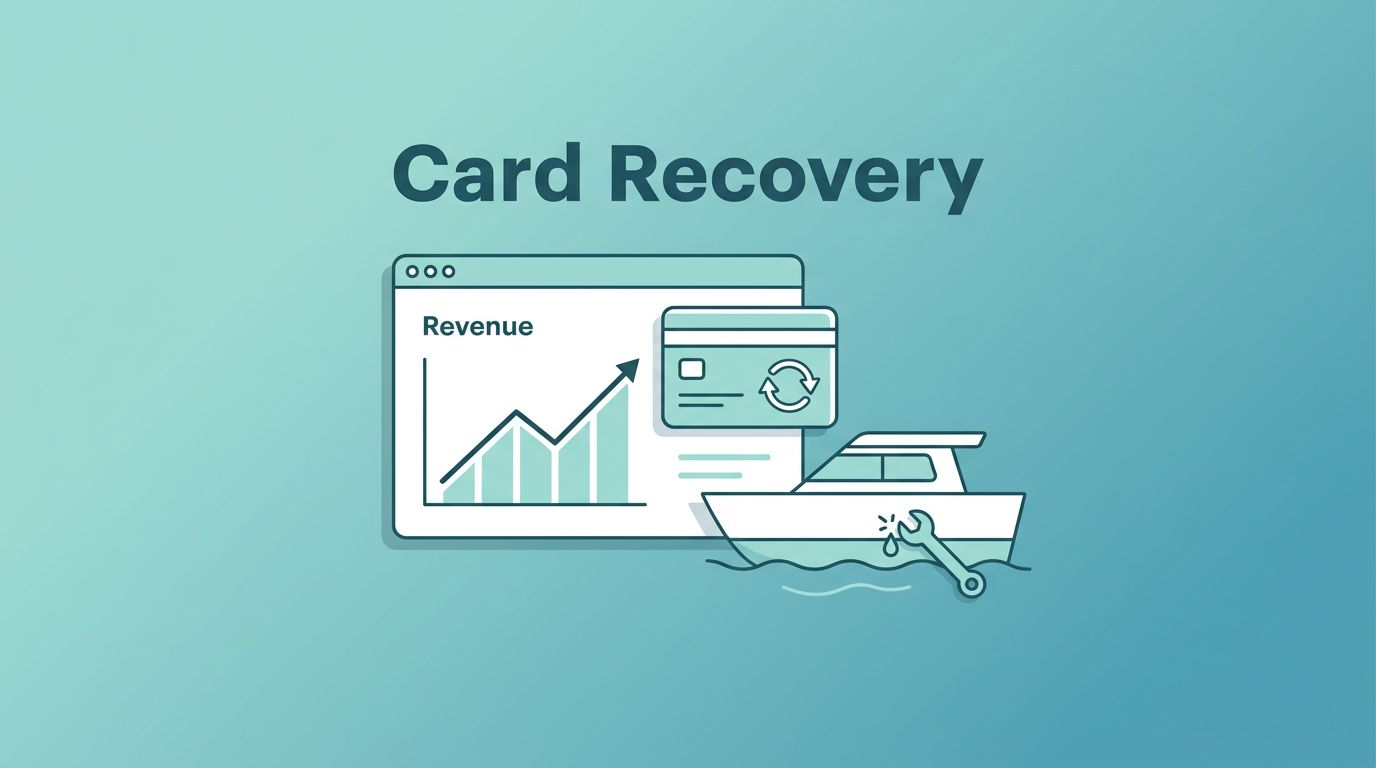
Lost revenue sneaks up on subscription businesses like a slow leak in a boat. You wake up one day and find 9% of your MRR gone because cards expired quietly overnight. I’ve seen it hit my own SaaS operations hard until I turned to Baremetrics.
Baremetrics expired cards alerts changed everything for me. They flag involuntary churn before it tanks retention. In this post, I share the exact steps I take to spot risks, automate recoveries, and track wins.
You run a tight ship with finance teams watching every dollar. Let’s jump into how Baremetrics helps me plug those leaks.
Why Expired Cards Cause Involuntary Churn
Expired credit cards top the list of silent killers for SaaS revenue. Customers love your product but forget to update payment info. Banks don’t warn them, so charges fail, and churn spikes.
I once lost $5,000 in MRR over three months from this issue alone. Data shows up to 10% of annual recurring revenue vanishes this way across subscriptions. Good news: strong dunning recovers 85% of those failures and cuts overall churn by a third.
Involuntary churn differs from voluntary. Users don’t cancel on purpose. They just hit snags like expired cards, low funds, or fraud flags. Baremetrics separates these in its dashboard, so I focus efforts where they count.
Think of it as picking low-hanging fruit. Fix failed payments first, then tackle deeper retention problems. I start here because quick wins build momentum for the team.
For more on calculating SaaS churn rate with Baremetrics, check my earlier guide. It ties directly into spotting these patterns.
Spotting Expired Cards in Baremetrics
I log into Baremetrics daily and head straight to the failed payments view. Red flags pop for expired cards right away. The tool pulls from Stripe or your billing provider and lists issues by type.
Filter by “card_expired” or “do_not_try_again” declines. I see customer names, plan tiers, and MRR at risk. One glance shows if it’s a cluster from the same bank or scattered users.
Baremetrics Recover activates here. It scans back 31 days for past fails and queues retries. I set alerts for spikes above 2% of transactions. Email or Slack pings keep me ahead.
Here’s what grabs my eye in the dashboard:
| Alert Type | What It Means | My Action |
|---|---|---|
| Card Expired | Token invalid after date | Queue dunning email sequence |
| Insufficient Funds | Soft decline | Retry after 3 days |
| Processor Decline | Hard fail, like fraud | Personalized outreach |
This table saves hours of digging. After reviewing, I prioritize high-value customers first.

The dashboard feels like a watchful guard. It turns chaos into clear priorities, so revenue stays safe.
Setting Up Your Recovery Workflow
Setup takes under 30 minutes once Baremetrics connects. I go to the Recover section and enable it. The tool builds email campaigns automatically for failed charges.
First, link your billing. Baremetrics grabs data and retrofits old fails. Then customize the sequence: day 1 gentle nudge, day 3 firmer reminder, day 7 update link.
I embed a hosted payment form. Customers click and fix cards without logging in. For apps, add a JavaScript snippet for in-app paywalls. SMS options kick in for high-value users.
Test runs confirm flows work. Send to yourself first. Track opens at 41% if you hit within 24 hours of failure.
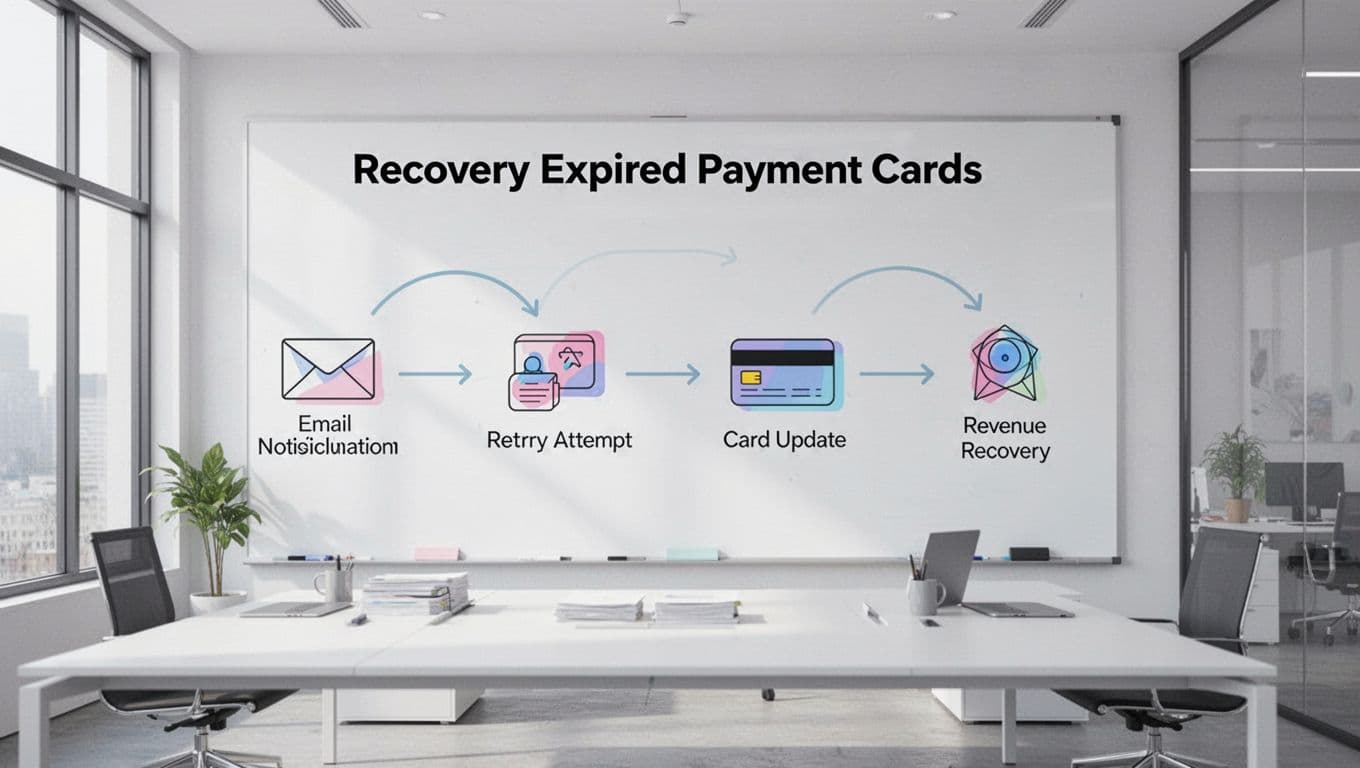
This visual maps my process perfectly. Follow it, and recoveries climb fast.
Prevent mode adds emails 30 days before expiry via Stripe’s updater. I toggle that on too. Results show in analytics, with breakdowns by reason.
Details on Baremetrics dashboard for MRR and churn tracking help refine this further.
Crafting Messages That Get Cards Updated
Words matter in dunning emails. Bland templates fail. I personalize mine to boost clicks.
Start with empathy: “Hey [Name], we noticed a hiccup with your card on [Date]. No worries, update here in one click.” Keep it short, under 100 words.
Subject lines like “Quick card update keeps your access smooth” get 25% higher opens. Add urgency without panic: “Update by [Date] to avoid pause.”
For expired cards specifically: “Your card ended [Month]. Tap to add new details and stay uninterrupted.” Include MRR value if it fits, like “Protect your $49/month plan.”
I A/B test two versions weekly. One focuses on service continuity, the other on account security. Winners roll out.
Baremetrics lets me tweak templates per failure type. Expired cards get proactive tones; funds issues stay light.
Integrate with tools like Intercom for in-app messages. Finance teams love the control.
See Recover dunning management for official setup. It matches what I do daily.
Key Metrics to Track Recovery Wins
Numbers prove the fix works. I watch recovered MRR first. Baremetrics shows it against total fails, often 80% plus.
Failed payment rate drops below 1% with good flows. Churn reduction follows, as involuntary losses shrink.
Lifetime recovery rate tells the full story. Mine hit 87% after tweaks. Compare cohorts: pre-Recover vs. now.

These charts motivate my team. Clear trends guide next moves.
| Metric | Target | My Result |
|---|---|---|
| Recovered MRR | 80% of fails | $221K from $346K |
| Recovery Rate | 85%+ | 87% lifetime |
| Churn Reduction | 30% drop | 34% overall |
Context: Review monthly. Segment by plan to spot outliers.
For deeper dives, my post on key Baremetrics metrics to combat churn breaks it down.
Conclusion
Expired cards steal MRR until you fight back with tools like Baremetrics Recover. I reclaimed thousands by spotting alerts early, automating workflows, and tuning messages.
Recovery rates above 85% aren’t luck; they’re routine with these steps. Finance teams gain clarity, founders protect growth.
Stick to metrics, test often, and watch involuntary churn fade. Your subscriptions run smoother as a result.