A membership sale can turn into a tax problem the moment the buyer lives in another EU country. I handle MemberSpace EU VAT by treating tax as part of the checkout flow, not a cleanup job later.
I keep the rules plain, because VAT changes with the buyer’s location, my business structure, and whether the customer is a consumer or a business. This is general information, not tax advice, but it gives me a solid way to sell digital access without guessing.
EU VAT follows the buyer, not my checkout page
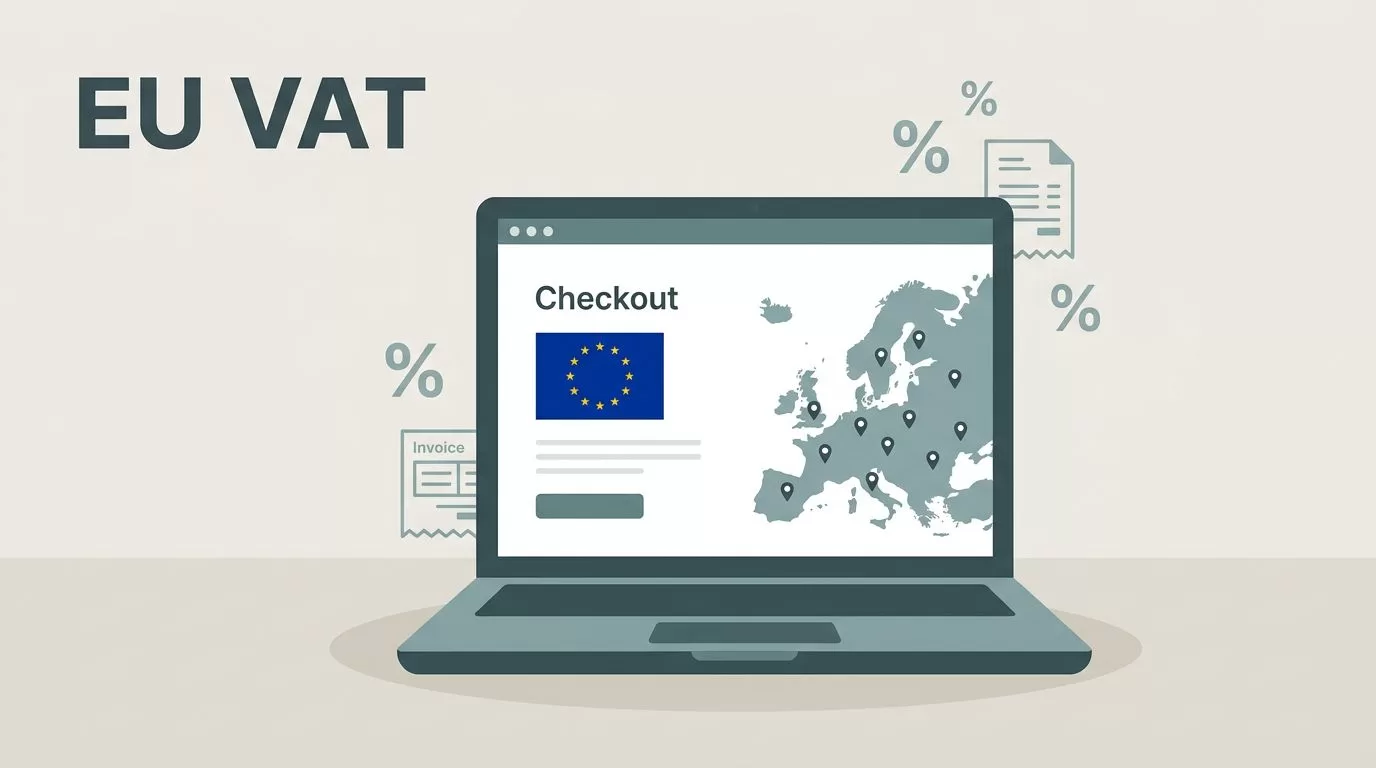
For digital memberships, I start with a simple rule. The tax result usually follows the customer’s location, not where my laptop sits. The EU’s place of taxation rules explain why location matters for services.
For B2C sales, I charge VAT based on the buyer’s EU country. For B2B sales, I usually look for a valid VAT number and apply reverse charge when the rule fits. As of June 2026, the basic setup is still the same, and the pressure point is reporting, not a brand-new tax model.
I also keep Taxually’s plain-English EU VAT guide open when I want a second check. It helps me sanity-check the country-based rate logic before I publish a new offer.
EU countries set their own VAT rates, and the standard rate cannot drop below 15%. That means I never assume one flat rate will work across every country. I check the destination country first, then I build the pricing around it.
My MemberSpace setup starts with Stripe and the plan shape
I start by integrating Stripe with MemberSpace. MemberSpace is the access layer, but Stripe is where payment data and tax details live. Before I touch tax labels, I decide what I’m actually selling.
If I want one clean offer, I use configuring monthly membership subscriptions. If I need basic and premium access, I use setting up membership tiers in MemberSpace. That choice matters because tax, invoices, and refunds all follow the plan shape.
| Sale type | Usual VAT treatment | What I check |
|---|---|---|
| EU B2C membership | Charge VAT at the buyer’s country rate | Customer location evidence, invoice, tax rate |
| EU B2B sale with valid VAT number | Reverse charge often applies | VAT number, invoice note, business status |
| Non-EU seller to EU consumer | VAT from the first sale | Non-Union OSS, country rate, records |
| EU-based seller | Local and cross-border rules may apply | Home country rules, OSS fit, tax advice |
That table keeps me honest. It also keeps the checkout short, because I don’t want the customer to see tax confusion on screen.
I do not let the checkout page decide the tax rule. The buyer’s location does.
I keep customer location evidence in one place
When I sell digital access, I can’t rely on a shipping address. I need location evidence that matches the sale. I usually keep two non-conflicting pieces of evidence, such as billing country and IP country, or card country and billing address.
That record matters more than people think. If I sell into several EU countries, I may need to explain the tax rate months later. A clean record saves me from re-creating the sale from email threads and half-finished notes.
For cross-border B2C sales, I usually use OSS when my structure fits the scheme. EU-based sellers may use Union OSS, and non-EU sellers often use Non-Union OSS. The scheme lets me report in one place instead of opening separate registrations in every country.
I still check the details with EU VAT guidance for digital services when I need a second look at the structure. The key point is simple. OSS helps me report, but it does not erase the need for correct buyer location data.
My invoices and records stay plain and useful
My invoices show the buyer’s country, the VAT rate, the tax amount, and any reverse-charge note when I sell to a business customer. I also keep the VAT number check with the sale record. If the country where I report tax has extra invoice rules, I match my template to that country.
I also log refunds in the month I issue them, not the month of the original sale. That keeps my monthly report tied to cash movement. If I need a deeper accounting view, I move that into a separate report and leave my VAT log clean.
I like simple records because they age well. A clear invoice and a clear refund log are easier to review than a clever spreadsheet with too many hidden formulas. In 2026, with reporting and enforcement getting tighter, clean records matter even more.
Common mistakes I avoid with MemberSpace EU VAT
I’ve made the setup simpler by avoiding a few easy mistakes.
- I don’t use one flat EU rate for every customer.
- I don’t treat a VAT number as valid without checking it.
- I don’t wait until month-end to collect location evidence.
- I don’t use the old small-seller threshold as a shortcut for every business.
- I don’t mix my tax report with my deeper accounting notes.
The old €10,000 rule only helps some EU-based small sellers. It does not replace the first-sale rule for many non-EU businesses selling digital services into the EU. That is one of the fastest ways I’ve seen people get the setup wrong.
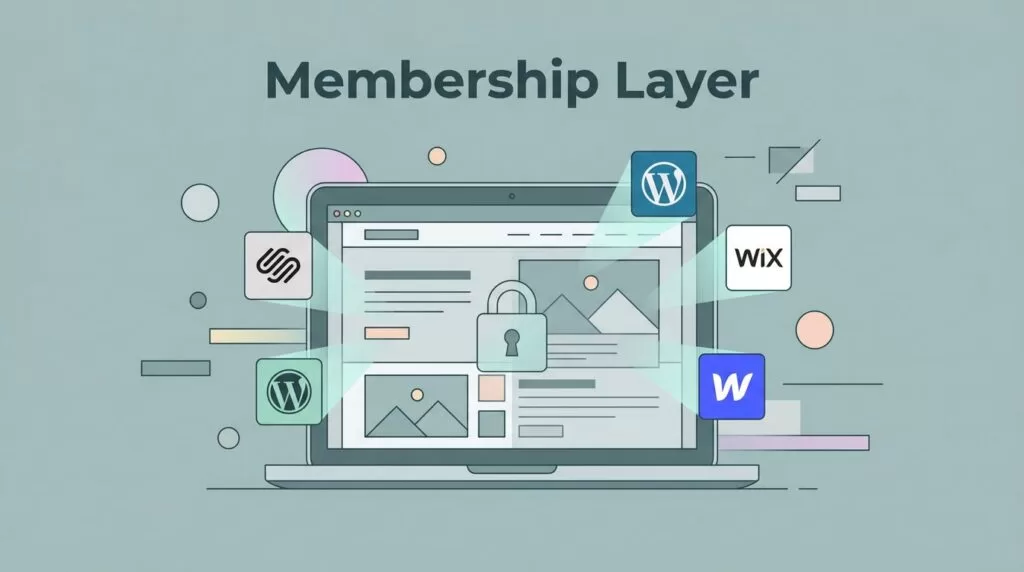
I also avoid assuming MemberSpace itself is the tax engine. It is the membership layer. My tax logic lives in the way I price the plan, collect the customer data, and report the sale.
What I do before I launch a new plan
Before I publish a new membership, I run through the same short checklist. I choose the buyer type first, because B2C and B2B are handled differently. Then I decide whether the plan is monthly, annual, or tiered.
After that, I test the checkout with a real country in mind. If I’m selling digital access across the EU, I want the tax result to match the sale on day one. That is easier to fix before launch than after a month of payments.
I also keep a note of which countries I sell into most often. If a country starts to dominate, I pay closer attention to the rate, invoice format, and evidence trail for that market. Small habits like that save time later.
Conclusion
When I set up MemberSpace EU VAT the right way, the process gets simpler, not harder. I decide whether the sale is B2C or B2B, keep the location evidence, and match the invoice to the tax rule.
I do not try to make MemberSpace do tax law. I use it to sell cleanly, then I let Stripe, OSS, and my records handle the rest.
If the rule still feels fuzzy in your country, I stop at education and ask a local VAT adviser before I launch.
FAQ
Do I charge VAT on every membership sale?
I charge VAT on EU B2C digital sales based on the buyer’s country. For B2B sales, I usually apply reverse charge when the VAT number is valid and the setup fits the rule.
Can I use OSS with MemberSpace?
I can use OSS if my business structure fits the scheme. EU businesses may use Union OSS, and non-EU sellers usually use Non-Union OSS for EU B2C digital services.
What customer location evidence do I keep?
I keep two matching signals, such as billing country and IP country, or card country and billing address. Two clean pieces of evidence are better than one guess.
What should appear on my invoices?
I list the buyer’s country, VAT rate, VAT amount, invoice date, and reverse-charge note when needed. I also keep the VAT number check with the sale record.