Deploy Behavioral Targeting Software On Mida.so
Behavioral targeting software turns static landing pages into dynamic experiences. You no longer need to show the same generic headline to every visitor. By using Mida.so, you can segment your audience based on real-time actions and show th...

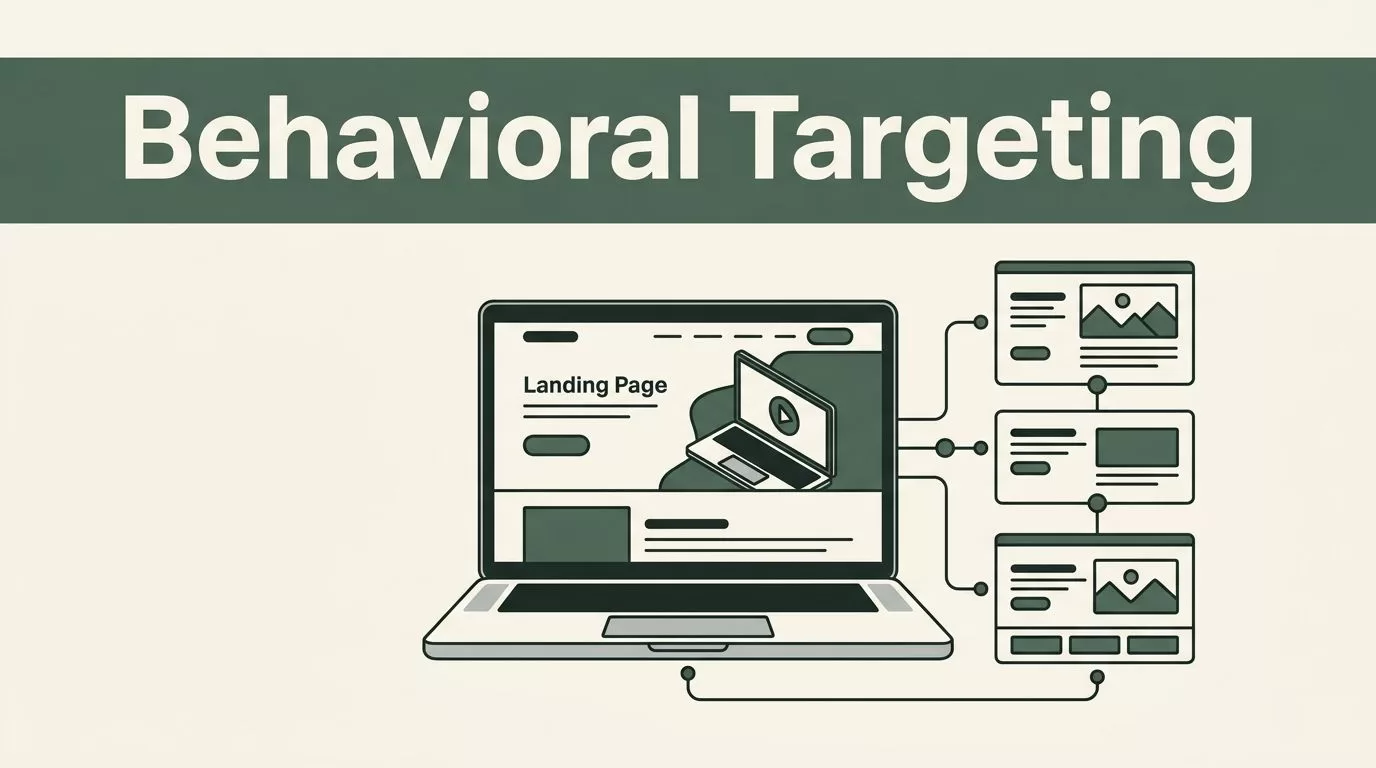
Behavioral targeting software turns static landing pages into dynamic experiences. You no longer need to show the same generic headline to every visitor. By using Mida.so, you can segment your audience based on real-time actions and show them relevant content. This keeps your site fast while increasing your conversion rates.
You don’t need a massive engineering team to make this happen. Mida.so uses a lightweight script that won’t kill your page speed or hurt your SEO metrics. Whether you want to target returning users or visitors from specific ad campaigns, the setup remains straightforward.
Key Takeaways
- Behavioral targeting uses user actions like scroll depth or referral sources to show personalized content.
- Mida.so handles these segments through a 15 KB script that protects Core Web Vitals.
- You can trigger experiments using UTM parameters, JavaScript variables, or visitor cookies.
- Always implement privacy measures like consent management and frequency capping to maintain trust.
- Use the visual editor to deploy changes without writing production code.
Why Use Behavioral Targeting
Standard A/B testing compares two versions of a page for everyone. Behavioral targeting is different. It groups visitors into segments based on what they do on your site. You might show a specific discount to a first-time visitor from a Facebook ad while showing a case study to a returning user.
This approach works because it matches the content to the visitor’s intent. If someone comes from a high-intent search query, they need different information than someone clicking a social link. Mida.so allows you to swap out headlines, CTAs, and images dynamically. Because Mida acts as a fast A/B testing tool, you can launch these personalized segments in minutes rather than waiting for deployment cycles.
Configuring Your Audience Segments
Before you launch a campaign, you need to define your segments inside the platform. Mida.so lets you use basic attributes like country or device type, but you get more value from advanced targeting. You can track specific events like button clicks, video plays, or product views.
To get started, identify the data points that matter for your growth goals. A common setup involves tracking:
- Referral Source: Change your landing page hero based on whether the user came from Google, LinkedIn, or an email newsletter.
- Scroll Depth: Trigger a lead magnet popup only after a user reaches 50% of the page length.
- Exit Intent: Display a final offer when the mouse moves toward the browser tab close button.
- Cart Behavior: Show a personalized reminder for visitors who viewed a product but didn’t reach the checkout success page.
You define these rules within the Mida interface. You can set them up using simple UI toggles or by using JavaScript variables if you need more technical depth. If you need to evaluate other options before choosing, you can check out this comparison of A/B testing tools to see how different platforms handle segment complexity.
Deploying Personalization Rules
Once you have your segments, you need to map them to page variations. Open the Mida visual editor on the page you want to optimize. Create a new experiment and add your variations. For each variation, set the targeting conditions.
If you are a growth team looking for a technical alternative, you will appreciate how Mida keeps the interface clean. You select the element you want to change, like a headline or button, and then assign it to the specific segment. The platform handles the logic on the client side without needing backend changes.
Make sure to test your rules in the sandbox mode before pushing them live. Use the “preview” function to simulate different segments. If you trigger the “returning visitor” segment, verify that the site actually shows the correct content. You can also monitor your live traffic data in the Mida dashboard to confirm that users are correctly falling into your defined buckets.
Privacy and Data Management
You must respect user privacy when collecting behavioral data. Privacy laws such as GDPR and CCPA require you to be transparent about how you track visitors. Ensure your privacy policy is up to date and that your site collects proper consent before firing tracking scripts.
Frequency capping is another operational necessity. You don’t want to harass a visitor by showing them the same popup every time they refresh the page. Configure your campaign settings to limit the number of impressions per user. This preserves your brand reputation and prevents user frustration.
Data hygiene keeps your experiments accurate. Clean your cookies periodically and ensure your event tracking isn’t duplicating entries. By staying disciplined with your data collection, you maintain clean segments and improve the quality of your insights.
Testing and Iteration
After your campaign is live, monitor the performance metrics. Look beyond just clicks or sign-ups. Evaluate the bounce rate and time on page for the different segments you created. If one segment shows a high conversion rate, you might consider scaling that message to a broader audience.
Use the platform’s native reporting to identify winning variations. If a campaign isn’t performing, pause it and re-examine your targeting criteria. Perhaps your scroll depth trigger is too high, or your referral source segment is too narrow. A/B testing is an iterative process. Keep your tests focused on one variable at a time so you know exactly what drives the lift in performance.
Mida.so allows you to update your tests instantly without waiting for IT. Use this agility to your advantage. Try new headlines, shift the placement of your CTAs, or test different value propositions for different demographics. By consistently running experiments, you create a baseline for what works for your specific audience.
Final Thoughts
Behavioral targeting creates a site that responds to individual needs. By segmenting your traffic based on real-world actions, you deliver relevant content at the right time. Mida.so provides the infrastructure to execute this without the performance penalties common in legacy tools.
Start with one segment or one campaign to test the mechanism. Once you understand how your traffic responds to personalized content, expand your experiments across the site. Keep your data clean, respect visitor privacy, and iterate based on what the numbers show. You now have a platform designed to turn traffic into actionable growth.

