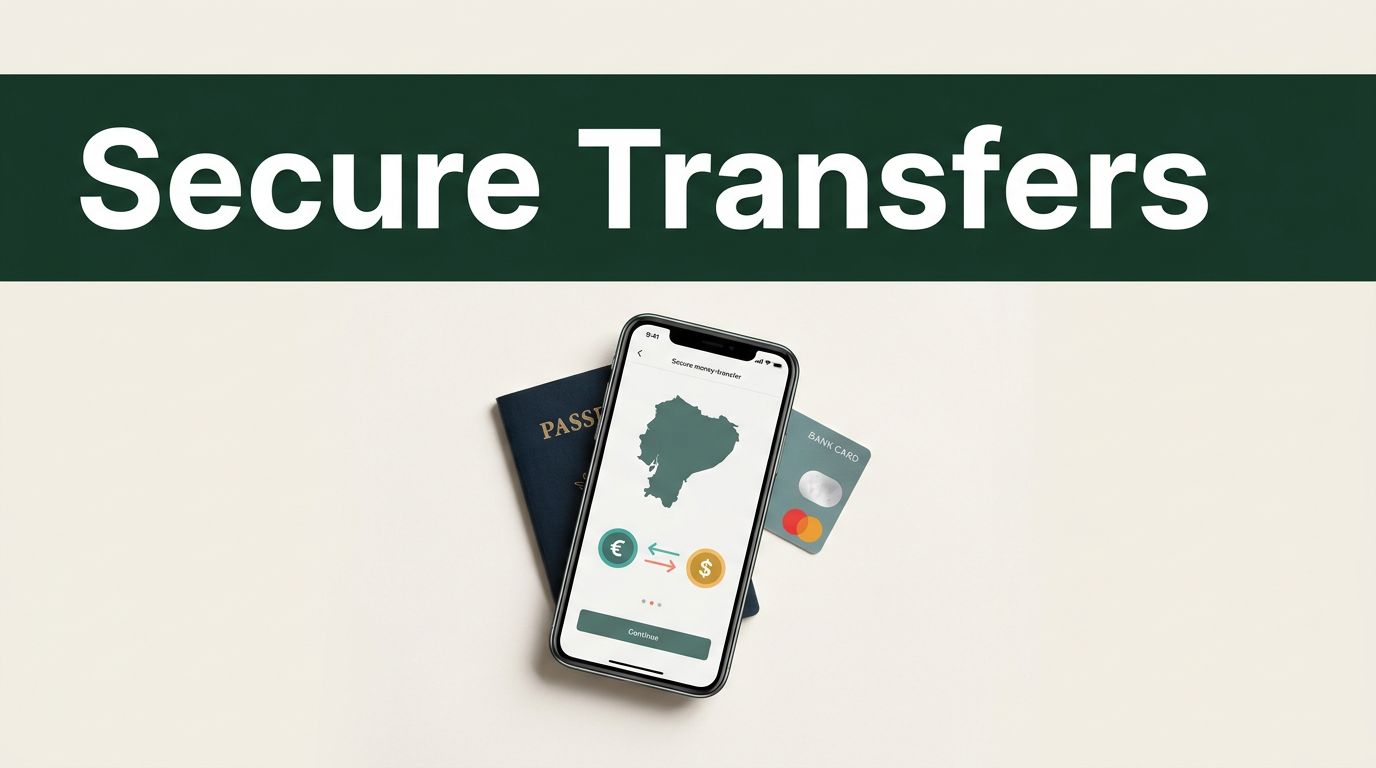
Sending money abroad requires trust, speed, and absolute clarity on fees. When you need to support family or pay for services across borders, you want a reliable path that avoids hidden charges and delivery delays. Remitly provides a dedicated digital platform to transfer funds internationally while keeping your financial data protected.
Using Remitly Ecuador services allows you to move money directly from your smartphone or computer without visiting a physical remittance office. To ensure a smooth transfer, you need to understand how the platform works, what delivery methods are available, and how to protect your account against common security threats.
Key Takeaways
- Use official Remitly apps or secure website portals to initiate and manage your international transfers.
- Choose between available local delivery options, including direct bank deposits and authorized cash pickup locations.
- Verify all recipient details, account numbers, and identification documents before confirming any transaction.
- Implement strict security habits, such as keeping verification codes private and watching for impersonation scams.
How Remitly Works for Ecuador Transfers
Remitly replaces traditional wire services with an app-driven workflow designed for speed and transparency. You start by creating an account on the official website or mobile application, entering your personal details, and setting up your preferred funding source like a debit card or bank account.
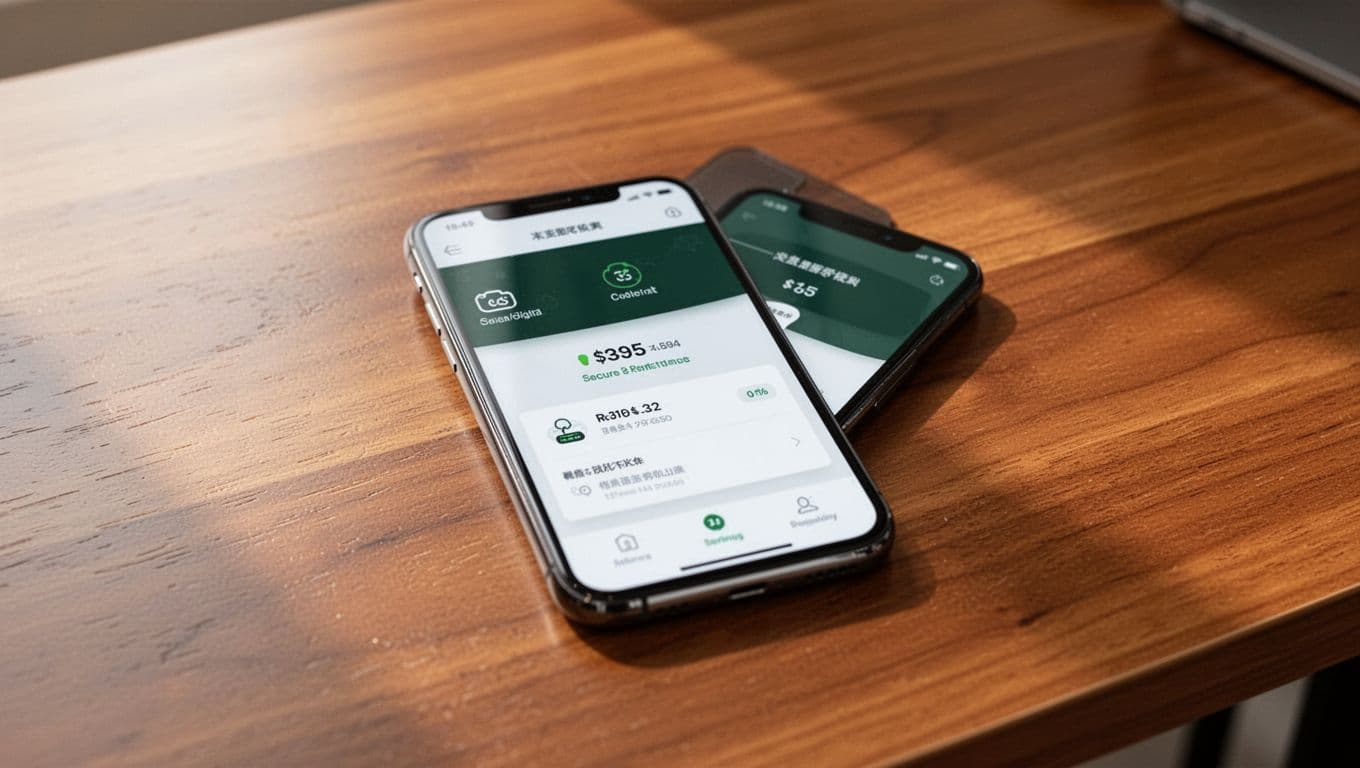
Once your profile is active, you enter the transfer amount and select Ecuador as the destination country. The interface displays current exchange rates, transfer speeds, and any applicable fees before you finalize the payment. You can review the complete fee structure and delivery timeline upfront so you know exactly what your recipient will get. For a detailed breakdown of available transfer lanes and regional guidelines, consult the official Remitly transfer guide for Ecuador.
Choosing the Right Delivery Method
When sending funds to Ecuador, you select how your recipient collects the money based on what is most convenient for them. Remitly structures these options to fit different local banking habits and urgent cash needs.
Bank deposits transfer funds directly into a recipient account at major financial institutions. This method suits regular support payments and large transfers where physical travel is unnecessary. You need the correct bank name, account number, and routing details to avoid processing rejections.
Cash pickup allows your recipient to collect physical currency from a designated local network partner. This option works well for recipients who do not maintain active bank accounts or who need immediate access to funds. You can explore regional service specifics directly through the Remitly provider page for Banco Guayaquil.
Verifying Recipient Information and Avoiding Errors
Incorrect recipient details cause the majority of transfer delays and failed transactions. Before you confirm any transfer, double-check every spelling and numerical entry against official government identification documents.
The name on your transfer order must match the recipient’s legal ID card or passport exactly. A single typo in a surname or bank account number halts processing while customer support investigates the discrepancy.
Ask your recipient to confirm their exact banking details, residential city, and contact telephone number before you start the transfer sequence. Taking two minutes to verify these facts prevents days of waiting while funds bounce between financial networks.
Essential Security and Fraud Prevention Steps
International money transfers attract scammers who use sophisticated impersonation tactics to steal funds. Protecting your account requires constant vigilance and strict adherence to platform security guidelines.
Never share your Remitly account password, PIN, or multi-factor authentication codes with anyone, even if someone claims to represent customer support or a government agency. Legitimate representatives never ask for your login credentials or verification codes over the phone or via messaging apps.
Watch out for unexpected messages urging you to cancel and redirect transfers to unfamiliar accounts. If you receive suspicious communications about an active transfer, log into the official application directly rather than clicking links inside emails or text messages. For comprehensive advice on protecting your transactions, read the Remitly guide on safely sending money to Ecuador.
Conclusion
Sending money to family and friends abroad becomes straightforward when you follow a structured, safety-first process. By verifying recipient credentials, selecting the right delivery method, and protecting your account login, you ensure your funds arrive safely. Take time to review your transfer details carefully every time you initiate a transaction.