How to Send Money to Morocco Securely Using Remitly
Sending funds internationally requires precision, clear verification steps, and strict attention to security protocols. When you need to send money Morocco residents can access quickly, choosing a reliable platform like Remitly helps stream...

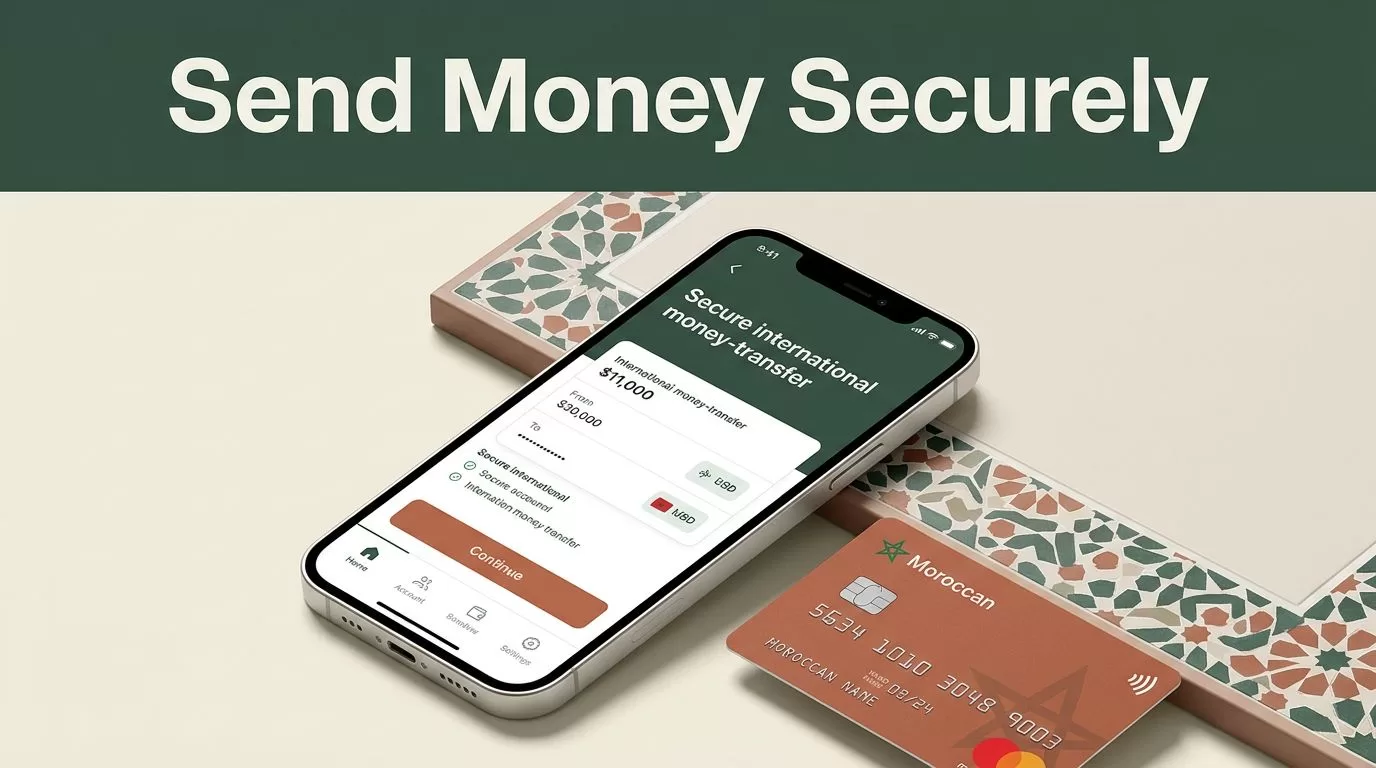
Sending funds internationally requires precision, clear verification steps, and strict attention to security protocols. When you need to send money Morocco residents can access quickly, choosing a reliable platform like Remitly helps streamline the process. You want to ensure your transfer reaches its destination without unexpected delays or security vulnerabilities. Operating through an established international network lets you choose from multiple payout channels while maintaining complete control over your transaction parameters.

Photo by Monstera Production
Key Takeaways
- Deploy secure international transfer networks to route funds reliably into Moroccan payout channels.
- Compare delivery options including bank deposits, cash pickups, and mobile wallets before confirming a transaction.
- Review exchange rates, transfer fees, and delivery time estimates closely during every single session.
- Implement a strict scam-prevention checklist by verifying recipient details and protecting your account credentials.
Choosing the Right Delivery Method for Your Recipient
Remitly provides multiple delivery channels for international transfers destined for Morocco. You must match the payout method to your recipient’s local access and operational needs. Available choices typically include direct bank deposits, physical cash pickup locations, and mobile wallet transfers.
Bank deposits route funds directly into local accounts with partner institutions. Recipient-side partners often include major networks such as Banque Populaire, Wafacash, and Cash Plus. This method suits recipients who prefer managing funds digitally without visiting a physical storefront.
Cash pickups allow recipients to collect physical currency from designated agent locations across Morocco. This channel works well when the recipient lacks a traditional bank account or requires immediate access to physical cash. You must verify that the recipient’s legal name matches their government-issued identification card exactly before initiating the transfer. Mobile wallet routing delivers funds straight to supported digital wallet accounts on the recipient’s smartphone.
Setting Up Your Remitly Transfer
Executing a transfer requires a systematic approach to account setup and data entry. You start by opening an account on the Remitly web platform or mobile application. Select Morocco as your destination country to initialize the regional routing parameters.
Enter the exact amount you want to send and review the corresponding conversion rates displayed on the screen. Remitly displays estimated delivery times and associated fees based on your funding source and payout selection.
| Payout Method | Typical Recipient Requirement | Best Use Case |
|---|---|---|
| Bank Deposit | Account number and bank details | Digital management and bill payments |
| Cash Pickup | Government-issued identification | Immediate access to physical currency |
| Mobile Wallet | Registered mobile phone number | Direct smartphone-based spending |
Input your recipient’s complete details accurately to prevent routing errors or verification holds. Add your own funding source, such as a connected bank account, debit card, or credit card. Review the final exchange rate, transfer fees, and estimated delivery date before you click confirm. For an official overview of regional requirements, you can check the guidance on how to send money to Morocco from the United States.
Essential Scam-Prevention Checklist
International money transfers demand constant vigilance against fraudulent actors and social engineering tactics. You protect your capital by following a rigorous security checklist every time you authorize a payment.
- Verify recipient details thoroughly before initiating any transfer to avoid sending funds to unauthorized intermediaries.
- Use only official Remitly application channels and verified browser domains to access your account dashboard.
- Never share your account passwords, PIN codes, or multi-factor authentication verification tokens with anyone.
- Watch out for impersonation scams, urgent payment demands, and unverified investment schemes targeting remitters.
Fraudsters often rely on urgency and fear to manipulate senders into releasing funds prematurely. If a recipient demands payment through unconventional channels or pressures you to bypass standard verification checks, pause the transaction immediately. Legitimate platforms will never ask you to disclose security credentials or verification codes over phone calls or messaging apps. Read through additional safety resources like the guide on how to safely send money to Morocco for deeper insights into protecting your transactions.
Conclusion
Executing an international remittance requires balancing transfer speed, fee structures, and recipient convenience. By selecting the appropriate payout channel and reviewing your transaction parameters carefully, you eliminate unnecessary friction. Maintain strict adherence to operational security protocols and verify every piece of recipient data before final authorization. Take time to audit your transfer history and secure your account credentials to ensure every future transaction completes safely.

