How to Send Money to China With Remitly Securely
Sending money across borders can fail for simple reasons: the wrong recipient name, an outdated exchange-rate estimate, or a delivery method the recipient can’t use. If you want to send money to China, Remitly gives you a structured p...

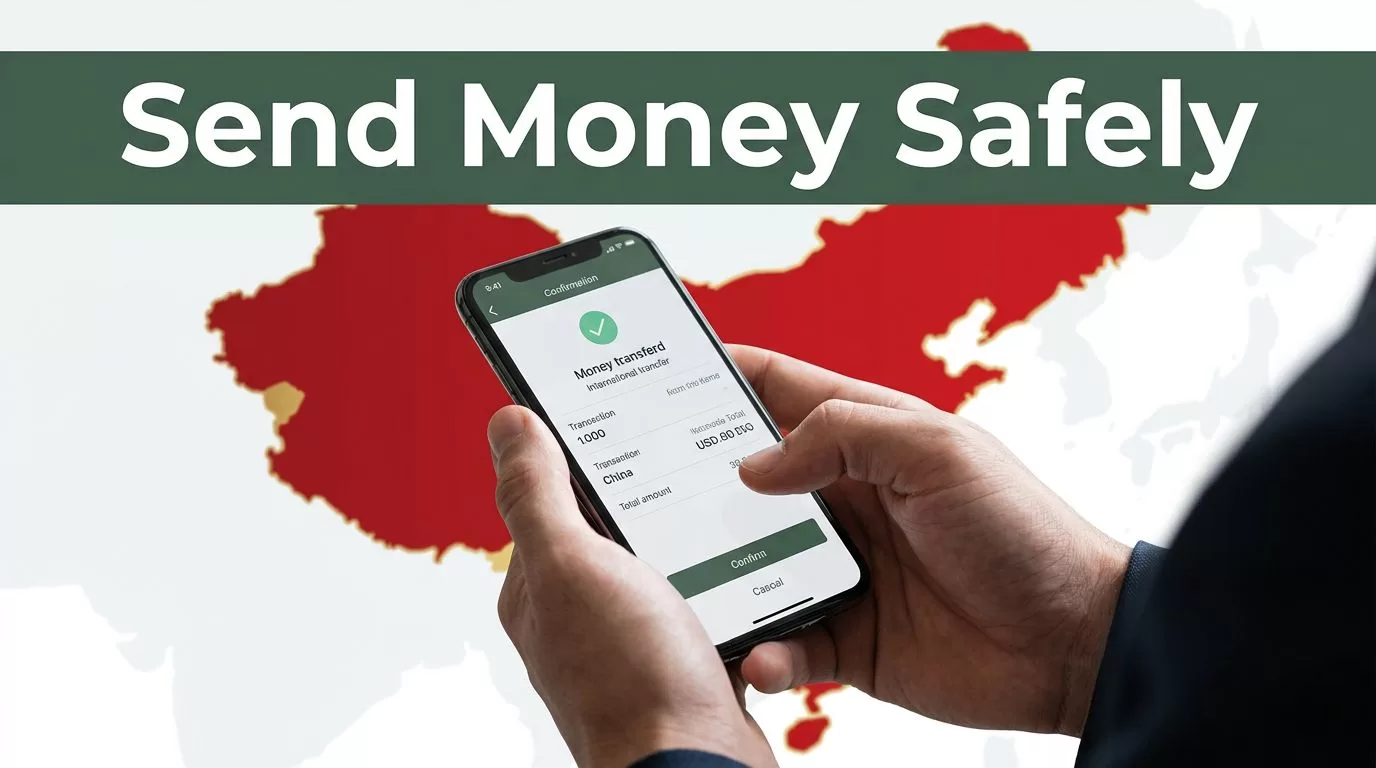
Sending money across borders can fail for simple reasons: the wrong recipient name, an outdated exchange-rate estimate, or a delivery method the recipient can’t use. If you want to send money to China, Remitly gives you a structured process for choosing the destination, payment method, and payout channel before you confirm the transfer.
The safest approach is operational. Check the live quote, match the delivery method to the recipient’s account, verify every detail, and protect your login information. Fees, limits, exchange rates, and delivery times vary by sending country, payment method, transfer amount, and recipient delivery method.
What to Check Before You Send Money to China
Start with the recipient, not the app. Ask how they want to receive the funds and confirm that their account is active. Remitly may support delivery to a Chinese bank account, Alipay, or WeChat Pay, depending on the sending country and the available route.
The recipient’s legal name must match the details connected to the selected payout method. A nickname or shortened name can create a review delay. For bank deposits, request the recipient’s bank name, account type, and account number. For Alipay or WeChat Pay, confirm the account holder’s name and the contact details linked to that account.
You also need to check your own sending profile. Remitly may ask for identity verification with a government-issued document. This is a normal compliance step for money-transfer services. Complete it through the official Remitly app or website, not through a link sent by an unknown person.
Your sending country affects the available payment methods and pricing. A sender in the United States may see different options than a sender in Australia, the United Kingdom, Canada, or another market. Remitly’s United States to China transfer page and Australia to China transfer page show why you need to select the correct origin country before comparing an offer.
Review these items before creating the transfer:
- The amount you want to send and the amount the recipient will receive.
- The displayed exchange rate and any promotional rate.
- The transfer fee for your chosen payment and delivery methods.
- The expected delivery date or time window.
- Any verification request or sending limit shown in your account.
A transfer quote is more useful than a general rate displayed in a search result. Remitly updates rates and fees based on the transaction details. Treat the in-app quote as the figure to review before you pay.
How to Send Money to China With Remitly
The Remitly workflow is straightforward, but each field needs to be accurate. Use the following process.
- Open the official Remitly app or website. Download the app from your device’s official application store. If you use a browser, type the Remitly address yourself or use a trusted bookmark.
- Create an account or sign in. Enter your email address and set a unique password. Remitly may require identity verification before you can complete the first transfer or reach certain limits.
- Select China as the destination. The available delivery methods will appear after you choose the destination and enter the sending details.
- Enter the transfer amount. Check both sides of the quote. The amount you pay and the amount received can change when you adjust the currency, payment method, or delivery method.
- Choose how the recipient receives the funds. Select bank deposit, Alipay, WeChat Pay, or another option displayed for your route.
- Add the recipient’s information. Use the recipient’s legal name and the account details required by the selected delivery channel. Check every digit before continuing.
- Select your payment method. Options may include a bank account, debit card, credit card, or another supported method. Payment processing time and fees can vary between methods.
- Review the full transaction summary. Confirm the recipient, payout method, exchange rate, fee, total cost, and estimated delivery time.
- Authorize the transfer and save the receipt. Keep the confirmation number and transfer status. Share tracking information only with the intended recipient.
The system may request additional information after you submit the transfer. A compliance review doesn’t automatically mean something is wrong. Respond through your Remitly account and avoid sending documents to an alleged agent through social media or an unverified email address.
Do not assume the first transfer’s promotional rate or fee will apply to later transfers. Promotional offers can have eligibility conditions, expiration dates, and transaction limits. Check the terms displayed in your account before you rely on the quoted amount.
Choose the Delivery Method That Fits the Recipient
The payout channel determines how the recipient accesses the money. It also affects the required details, delivery speed, and possible fees.
Bank deposit is useful when the recipient wants funds in a Chinese bank account. This option requires accurate account information. A wrong account number can delay the transfer or send it into a manual correction process. Confirm the account details directly with the recipient before you submit payment.
Alipay delivery can work well for recipients who already use Alipay and have a compatible account. Remitly’s China guidance indicates that the sender may need the recipient’s name, address, and email associated with the Alipay account. Confirm these details instead of copying them from an old message.
WeChat Pay delivery is suitable when the recipient uses a supported WeChat account. The recipient may need to meet platform requirements before funds can be received. Account eligibility and transaction limits can change, so check the live Remitly flow and the recipient’s account status.

The fastest option isn’t always the best option. A card-funded Express transfer may arrive sooner but cost more than a bank-funded transfer. A bank deposit may suit a larger planned payment, while a wallet delivery may be more convenient for family support or everyday expenses.
The recipient’s preferred app matters as much as the sender’s preferred payment method. A fast transfer is not useful if the payout account cannot accept it.
Compare the Total Cost, Not Only the Transfer Fee
The fee is only one part of the transaction cost. Compare the amount you pay with the exact amount the recipient receives. A higher exchange rate can offset a larger visible fee. A low fee can still produce less value if the exchange rate is weaker.
Remitly’s published guidance for US customers has listed a $2.99 fee for Express transfers under $1,000 to China. That figure isn’t a universal price. Your quote may differ based on the sending country, amount, payment method, delivery channel, and current promotion.
Use the live quote to compare the main variables:
| Transfer detail | What to verify |
|---|---|
| Exchange rate | How much Chinese yuan the recipient receives |
| Transfer fee | The fee charged for the selected route |
| Payment method | Whether a card or bank account changes the cost |
| Delivery speed | The estimated arrival time shown before payment |
| Transfer limit | The maximum amount available for your verified profile |
Rates can move during the day. Remitly’s USD to CNY rate page can help you understand the currency conversion, but the final in-app quote is the relevant figure for your transaction.
Limits also require careful review. They can depend on your sending country, identity-verification status, transfer history, payment method, destination, and payout channel. Some Remitly guidance has cited a ¥50,000 per-transfer limit for China, but displayed limits can change. Don’t plan a large payment around a number found in an old article.
If the amount exceeds the visible limit, split transfers only when the service permits it and the recipient’s situation supports it. Multiple transfers can create additional fees or reviews. For large or recurring payments, check the current Remitly terms and consider whether the recipient’s bank or wallet has separate restrictions.
Use This Security Checklist Before Confirming
Remitly uses account controls, identity checks, and transaction monitoring to help protect transfers. Your actions still matter. Most avoidable problems happen when a sender trusts a fake support message or skips the final recipient review.
Use this checklist every time:
- Use only the official Remitly app or website. Avoid links from unsolicited texts, social media messages, and unexpected emails. Check the domain before entering your password.
- Protect your password and verification codes. Remitly support will not need your one-time code to receive a transfer. Never share a code with a caller, chat contact, or person claiming to be an agent.
- Verify the recipient through a separate channel. Call or message the person using a number you already trust. Confirm their legal name, account details, and preferred delivery method.
- Review the recipient before payment. Read the final summary slowly. Check spelling, account numbers, country, currency, and delivery method.
- Watch for impersonation scams. Fraudsters may pretend to be a family member, employer, government official, or Remitly representative. Urgency, secrecy, and requests for gift cards or verification codes are warning signs.
- Keep your receipt private. Store the confirmation number securely. Don’t post screenshots that expose personal details or transaction information.

If you suspect fraud, stop communicating with the person and contact Remitly through its official support channels. Don’t send a second payment to “release” or “verify” the first one. That request is a common scam pattern.
For more practical safety guidance, review Remitly’s security advice for sending money to China.
Common Mistakes That Delay Transfers
A few process errors create most avoidable delays.
Entering a recipient’s nickname instead of their legal name can trigger a mismatch. Copying old bank details can also fail if the recipient changed accounts. Confirm the information for each transfer.
Choosing a delivery method without checking account eligibility creates another problem. Ask whether the recipient can receive funds through the selected bank, Alipay, or WeChat Pay account before you pay.
Don’t rely on a rate or fee from a previous transfer. Remitly pricing changes with the route and transaction details. Check the current quote each time.
Finally, don’t treat an estimated delivery time as a guarantee. Bank processing, recipient verification, weekends, holidays, and compliance reviews can affect arrival. Send earlier when the recipient has a fixed payment deadline.
Conclusion
To send money to China securely with Remitly, control the process at each handoff. Choose the correct payout channel, enter verified recipient details, compare the full quote, and use the official app or website.
Fees, rates, limits, and delivery times depend on your sending country, payment method, transfer amount, and recipient delivery method. Review those details before authorizing payment, then protect your account and verification codes after the transfer begins.
This article provides practical product guidance, not legal, tax, financial, or immigration advice. A careful final review is the simplest way to prevent a small data-entry mistake from becoming a costly delay.

