Join a Travel CPA Network Without Wasting Traffic
Travel content can attract thousands of readers and still produce no revenue. The missing piece is usually not traffic. It is a clear offer, a useful booking path, and a travel CPA network that matches your audience. Travelpayouts gives blo...

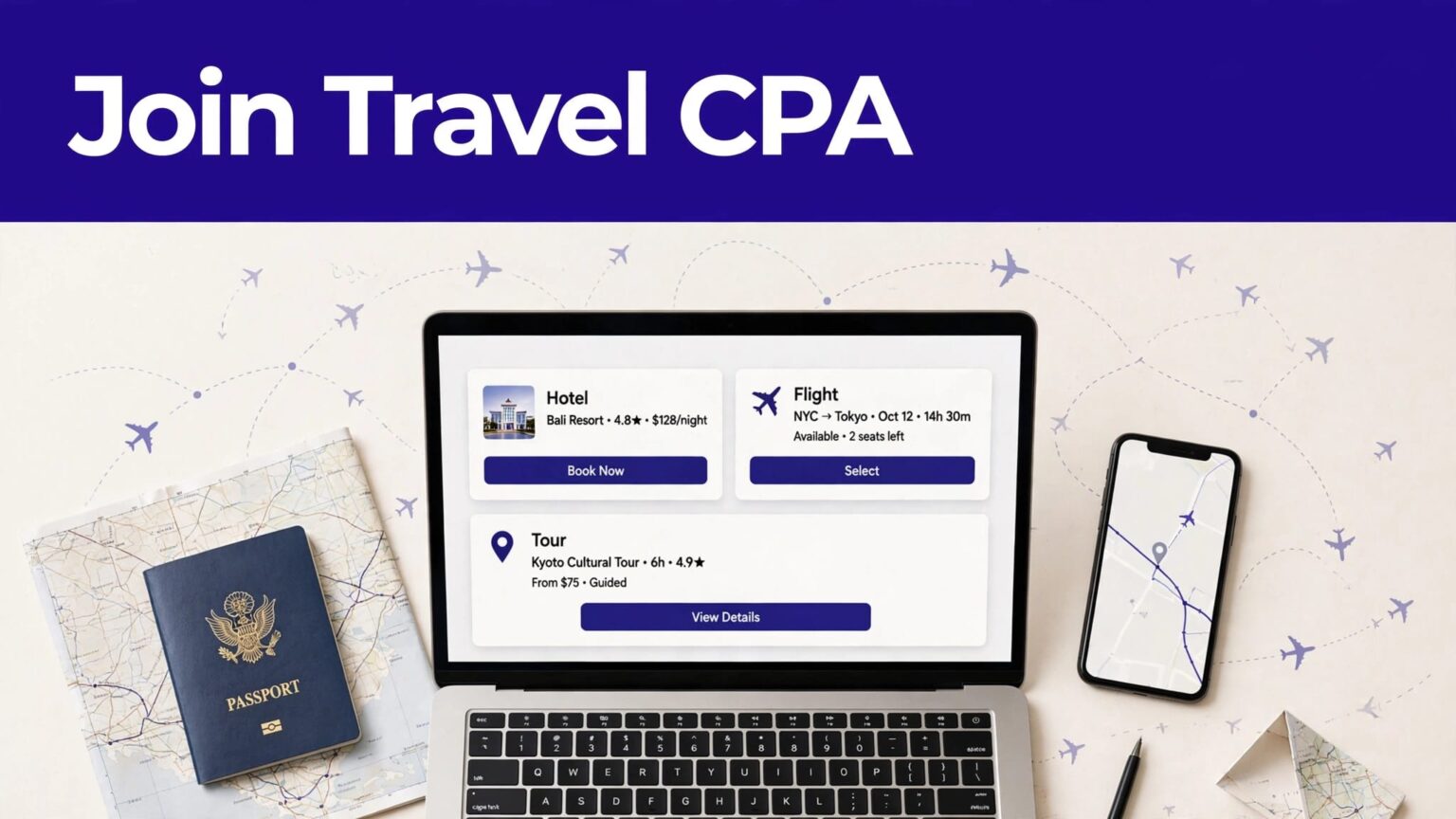
Travel content can attract thousands of readers and still produce no revenue. The missing piece is usually not traffic. It is a clear offer, a useful booking path, and a travel CPA network that matches your audience.
Travelpayouts gives bloggers, creators, website owners, and newsletter publishers one place to access travel brands and tracking tools. It does not guarantee approval, bookings, or income. You still need qualified traffic and honest recommendations.
Start with the business model before you create your first affiliate link.
Know what a travel CPA network actually pays for
A travel CPA network connects publishers with travel advertisers. You place tracked links, banners, or widgets. The advertiser pays when a visitor completes a defined action.
That action may be a completed hotel booking, a flight purchase, a car rental, a tour reservation, or a lead. The exact condition depends on the individual program.
Travelpayouts positions its platform for travel blogs, websites, YouTube channels, newsletters, and other content resources. Its affiliate partnership platform includes links, widgets, banners, and other promotional tools.


CPA does not always mean a fixed payment
Some programs pay a fixed amount for an approved action. Others pay a percentage of the booking value or a share of the network’s revenue.
A $1,500 booking does not automatically produce a $150 commission. The booking may be canceled. The advertiser may exclude taxes or fees. The visitor may use another affiliate link before paying.
Read the rate definition before you publish. Check whether the rate applies to gross booking value, collected revenue, or the network’s own commission.
Build around booking intent
A reader searching “best area to stay in Lisbon” is close to a hotel booking. A reader searching “Lisbon history facts” is usually not.
Your content needs to match the action you promote. Hotel affiliate links fit accommodation guides. Flight tools fit route pages. Insurance offers fit trip-planning checklists.
Don’t join a travel CPA network because it has many advertisers. Join it because its offers fit pages you already publish or plan to build.
Set up a site that advertisers can review
Most networks need to understand where your traffic comes from and how you promote offers. A thin site with copied destination text and random booking links creates a weak application.
Build a small but real publishing asset first. You do not need 100 articles. You do need enough information for a reviewer to see your topic, audience, and traffic method.
Publish useful travel pages before applying
Start with five to ten focused pages. Choose subjects where readers make travel decisions.
Examples include:
- City hotel guides organized by neighborhood and budget.
- Airport transfer guides with real route details.
- Family travel itineraries that explain hotel location needs.
- Country-specific packing lists tied to weather and transport.
- Newsletter issues built around a clear destination or trip type.
Avoid generic “top 10” pages with no first-hand research, source links, or decision criteria. A booking link belongs after useful advice, not before it.
Add trust pages and contact details
Create an About page, Contact page, Privacy Policy, and affiliate disclosure page. Use a domain email address if you operate as a business.
Describe your traffic sources honestly. If you use SEO, say so. If you publish a newsletter or YouTube videos, list those channels. Do not claim audience numbers you cannot support.
Keep your site clean. Broken links, copied images, and misleading price claims can create problems before your account starts.
A network can track clicks perfectly and still reject traffic that breaks an advertiser’s rules.
Join a travel CPA network like Travelpayouts
Travelpayouts is a practical starting point when you want travel-focused offers in one dashboard. The platform says registration is free, and its terms state that a unique Partner ID is assigned after you register and first access the account.
Use a current email address. If you apply for a legal entity, Travelpayouts terms require a corporate email address. Your dashboard access is not the same as approval for every advertiser or promotion method.
Complete the application with real business details
Use your legal name or registered business name. Add your main website, creator profile, newsletter, or other promotional resource.
Then complete these steps:
- Describe your audience, primary countries, and content focus in plain language.
- Add every site or channel you plan to use, where the account setup allows it.
- Read the platform terms and each advertiser’s program terms.
- Set payment and tax details only through the official account area.
- Save the date you checked requirements, rates, and payment rules.
Travelpayouts may provide immediate access to some affiliate tools. Program-level participation can still have separate conditions. The network’s own beginner affiliate marketing guide also makes the point that free traffic takes time to produce commissions.
Treat current terms as operational data
Commission rates change. Cookie windows change. Payment methods change. An offer that accepts newsletter traffic today may restrict it later.
Before adding a link, confirm:
- The current commission rate and qualifying action.
- The cookie duration and attribution rule.
- The minimum payout threshold for your selected payment method.
- The accepted traffic sources and country rules.
- Restrictions on paid search, coupon codes, browser extensions, email, and social promotion.
Store the URL, program name, rate, and date checked in a spreadsheet. Do not rely on a screenshot from an old affiliate group.
Choose offers that fit the page, not the highest rate
A high commission rate means little when the offer does not fit reader intent. A hotel comparison page can convert better with a modest rate than a broad travel deal link placed on an unrelated article.
Use one primary booking action per page. Too many links send visitors into a maze.
Match the offer to the decision
A destination guide can include accommodation options by area. A flight deal page can include a fare search tool. A road-trip article can include car rental links, fuel guidance, and pickup advice.
Give readers a reason to trust the placement. State why a hotel area works for late arrivals. Explain when a rental car is not worth the cost. Flag seasonal limits and extra fees when you know them.
Honest recommendations protect both the reader and your affiliate account. Do not call every option “best.” Do not hide drawbacks because an advertiser pays a higher rate.
Compare the network route before you commit
Travelpayouts is not your only route. Booking.com directs affiliates to Awin or CJ Affiliate based on region. Expedia Group has its own affiliate ecosystem for Expedia, Hotels.com, and Vrbo links and widgets.
Use this basic comparison when selecting a program:
| Decision point | Travelpayouts | Brand or general affiliate network |
|---|---|---|
| Account structure | One travel-focused dashboard with multiple offers | Network account plus merchant-level applications |
| Best fit | Creators with mixed travel content and several channels | Publishers with strong demand for one brand or category |
| Terms to check | Offer rate, tool access, attribution, payout method | Network rules plus individual merchant rules |
| Main risk | Assuming all advertisers use the same conditions | Assuming the brand name sets all payment rules |
Start with one or two offers. Add more only after you can identify which pages create approved bookings.
Protect attribution, traffic quality, and reader trust
Affiliate links work through attribution rules. A visitor can click your link, compare options elsewhere, then book through another publisher’s link. In many cases, the final eligible click gets credit.
Travelpayouts explains that cookie attribution can be interrupted by another traffic source in its guide to cookies and affiliate tracking. Do not promise a commission based on a click count.
Use clean links and track every placement
Create separate tracking IDs or SubIDs for each article, newsletter issue, YouTube description, or social campaign. A generic link tells you that traffic happened. A tracking label tells you where it happened.
Use a naming system you can sort later:
lisbon-neighborhood-guidenewsletter-june-romeyoutube-japan-rail-passinstagram-bio-summer-hotels
Do not overwrite old names. Keep prior records when you change an offer or replace a link. You need an audit trail when clicks, pending rewards, and approved rewards do not match.
Disclose affiliate relationships in plain language
Place a clear affiliate disclosure near the first relevant link. A separate legal page is useful, but it is not enough on its own.
Use direct wording such as: “This page contains affiliate links. I may earn a commission at no extra cost to you.”
Keep the statement visible on mobile. Do not bury it in a footer. Do not make it sound like a disclaimer written for lawyers.
Read the network’s traffic and partner terms before using paid ads, incentives, coupon promotions, or email campaigns. Non-approved traffic can lead to reversed rewards or account action.
Track approved earnings, not clicks
A click report is not a revenue report. A booking can remain pending. It can later be canceled, refunded, rejected, or approved.
Use a spreadsheet or database as your control record. Keep each program’s terms beside the performance data.

Build a deterministic earnings record
Create fields for content URL, traffic source, program, offer name, rate, date checked, clicks, pending rewards, approved rewards, reversals, payout date, and payment method.
Use a simple calculation:
Net affiliate earnings = approved percentage rewards + approved fixed rewards – reversals
Do not estimate monthly income from pending commissions. A completed dashboard sync does not prove every booking will clear.
Use clear review statuses:
- Draft for records still inside a cancellation or review period.
- Needs Review for missing tracking data, unusual conversion rates, or duplicate entries.
- Approved for cleared rewards that match the program report.
- Rejected for canceled bookings, invalid traffic, or duplicate records.
Check payouts before you count the money
Travelpayouts states that payments are generally made from the 11th through the 20th of the following month, subject to the payout threshold for your selected method. Verify the live threshold and available payment options inside your account before you plan cash flow.
For certain Travelpayouts-run offers, the public agreement describes a 30-calendar-day attribution period after the first redirect. An advertiser can set a shorter rule. Check the current program page before treating 30 days as your working assumption.
Review performance once a month. Compare content pages by approved bookings, reversal rate, and paid commission. High traffic with no cleared earnings usually means the page has weak booking intent, poor offer fit, or a tracking problem.
Build a travel affiliate system you can verify
A travel CPA network works when every link has a purpose. Your page answers a travel question. The offer fits that question. Your tracking record shows what happened after the click.
Start with a small set of useful pages and two relevant offers. Check live terms before publishing, disclose the relationship clearly, and measure approved commissions instead of promising income.
Useful travel advice comes first. The affiliate link should make the next step easier for the reader.

