Moving money across international borders requires a reliable process that protects your hard-earned capital. When you send money to family, friends, or business associates, security and clarity matter far more than flashy marketing claims. Remitly provides a structured platform for cross-border transactions, but your transfer safety depends heavily on how you set up your account, verify recipient details, and select your delivery method.
Key Takeaways
- Use official channels: Always access the service through the official Remitly transfer portal or verified mobile application to protect your financial credentials.
- Verify recipient details: Double-check recipient names, phone numbers, and bank or mobile wallet details before authorizing any transaction to prevent routing errors.
- Understand variable factors: Fees, exchange rates, transfer speeds, and available delivery options fluctuate based on your sending country, chosen payment method, and transfer amount.
- Safeguard authentication codes: Never share your login credentials, passwords, or temporary verification codes with anyone, including individuals claiming to represent customer support.
How Remitly Works for Ghana Transfers
Remitly operates as a digital alternative to traditional wire services. You fund a transfer from your home country, and the platform delivers local currency to your recipient. For transfers destined for Ghana, the platform converts your home currency into Ghanaian cedi, with funds arriving via bank deposit, mobile wallet, or cash pickup.
You initiate the transaction through the web browser or mobile app. The system calculates the exchange rate and displays any transfer fees upfront before you confirm the payment. To understand how the service compares across different regions, you can review the Remitly overview for UK senders to see how sending terms adapt to specific international corridors.
Choosing the Right Delivery Method
Ghanaian recipients can receive funds through several distinct channels depending on their local access and convenience. Selecting the correct delivery method during setup ensures the transaction reaches your recipient without unnecessary delays.
- Mobile wallets: Deliver funds directly to digital wallets such as MTN Mobile Money, Vodafone Cash, or Airtel Tigo Money using the recipient’s registered mobile phone number.
- Bank deposits: Route funds straight into checking or savings accounts held at major commercial banks operating across Ghana.
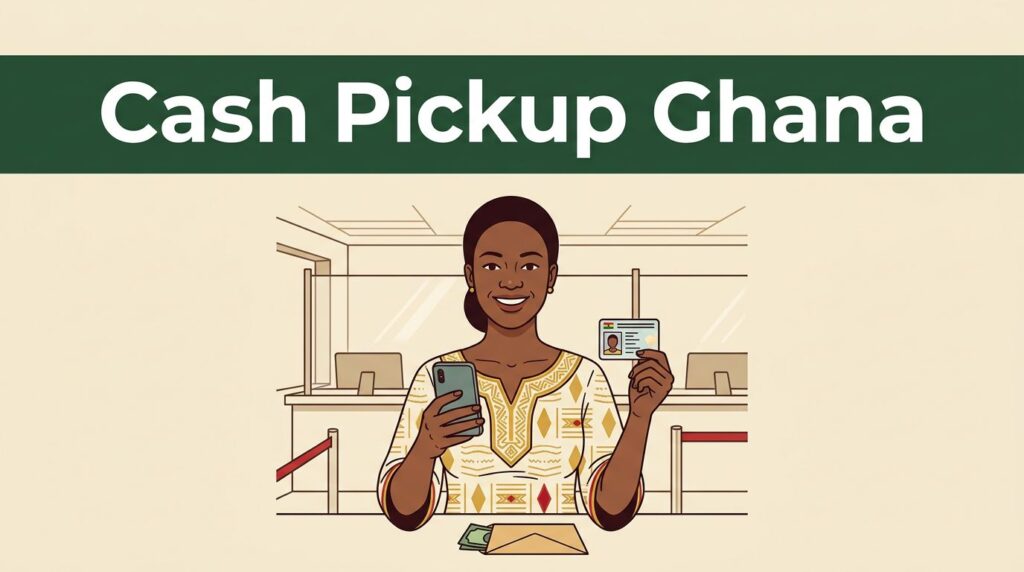
- Cash pickup: Allow recipients to collect physical cash in local currency from a network of authorized payout partner locations spanning the country.
Each delivery method carries different processing times and availability rules. Mobile wallets and debit card deposits usually process the fastest, while cash pickup locations depend on operating hours and local agent liquidity.
Setting Up Your Transfer Safely
Executing a secure transfer requires strict attention to operational hygiene. Start by downloading the official application directly from your device store or visiting the Remitly safety guide for Ghana to review recommended setup procedures.
Create a strong, unique password for your account and enable two-factor authentication if available. When adding your funding source, such as a bank account or debit card, ensure the billing name matches your profile identity exactly to prevent unnecessary fraud flags or temporary account holds.
Type recipient details carefully, especially phone numbers linked to mobile wallets or account numbers for bank deposits. A single transposed digit can route funds to the wrong destination or cause the transfer to stall during automated compliance checks.
Managing Costs and Transfer Limits
Cross-border transfers involve a financial trade-off between speed, cost, and payment convenience. Remitly structures its pricing around exchange rate markups and transfer fees, which vary depending on whether you choose an economy speed tier funded by a bank account or an express speed tier funded by a debit or credit card.
Transfers are subject to sending limits designed to comply with international financial regulations. First-time users often start with lower transfer limits that increase over time as you complete identity verification steps by uploading government-issued identification documents. Review your account dashboard before initiating a large transfer to confirm your current sending tier.
Conclusion
Sending money to Ghana doesn’t have to be a stressful administrative hurdle. By sticking strictly to official applications, verifying every digit of your recipient’s information, and selecting a delivery method that matches their local needs, you protect your funds from common transfer errors. Take a moment to review your transaction summary and exchange rate terms before you hit confirm.