Sending funds across international borders often feels like navigating a maze of hidden fees and uncertain arrival times. When you support family members or handle financial obligations abroad, you need a dependable process that removes guesswork. Remitly provides a structured platform for international remittances, letting you move funds securely without traditional bank branch visits. You can set up your transfer in minutes using a mobile app or browser, keeping your operational costs predictable. To understand how other services compare across global corridors, you can review this analysis of international transfer options on Finder’s Remitly review.
Key Takeaways
- Choose Remitly to send money Morocco transfers through bank deposit, mobile wallet, or cash pickup options.
- Compare delivery speeds between Express options for instant funding and Economy tiers for lower bank-transfer costs.
- Verify your recipient’s identification details and account numbers carefully before confirming any transaction.
- Review exchange rates and upfront fee disclosures on the final checkout screen to protect your transfer value.

Photo by Manuel Guillén Vega
Understanding Transfer Methods for Morocco
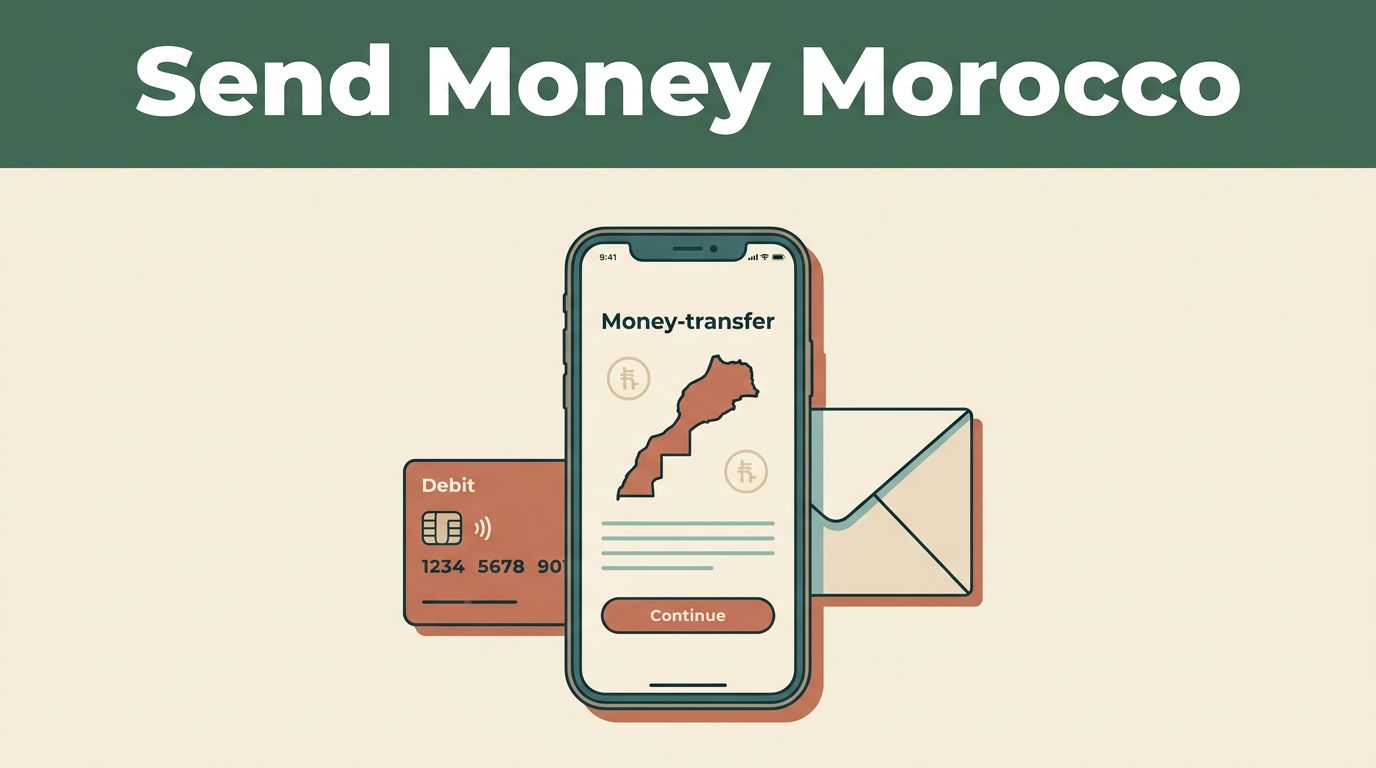
When you configure a transfer to Morocco, you must select how your recipient accesses the funds. Remitly supports three primary delivery channels tailored to different recipient needs. Cash pickup suits recipients who require physical bank notes immediately. Bank deposit routes funds straight into a personal checking account. Mobile wallet delivery pushes balance updates directly to supported phone-linked digital wallets.
Each delivery channel carries distinct processing characteristics. Cash pickup locations in Morocco often include well-known networks where recipients present a valid photo ID and transaction reference number. Bank deposits require precise routing information, such as a local RIB code, to ensure funds land in the correct destination account. Selecting the right method depends on whether your recipient has active banking infrastructure nearby or prefers physical cash access. For a broader look at transfer processing timelines and speed tiers across popular corridors, see this guide on Remitly delivery speeds.
Setting Up Your Remitly Account and Transfer
Getting started requires downloading the Remitly application or navigating to their web portal to establish your sender profile. You provide basic identification details to comply with international anti-money laundering regulations. Once your profile is active, you enter the transfer workflow by specifying Morocco as your destination country.
You type in the exact amount you want to send. The interface displays the current exchange rate and any applicable transfer fees before you commit funds. You then select your preferred payout method, such as a bank deposit or cash pickup. Entering recipient details accurately prevents costly transfer delays or rejected transactions.
Always double-check your recipient’s legal name against their official government-issued identification card. A single misspelled character can halt a cash pickup or trigger a bank rejection.
Funding Options and Delivery Speeds
Your choice of funding source impacts both the speed and the cost of your transaction. Paying with a debit or credit card typically funds the transfer instantly, allowing for an Express delivery window where funds arrive within minutes. Funding via a connected bank account often lowers your upfront fees, but it shifts the transaction into an Economy tier that takes several business days to clear.
You balance speed against cost based on your immediate operational urgency. If your recipient faces an urgent expense, paying the slight premium for debit card funding secures rapid delivery. If you manage recurring monthly support payments, scheduling an Economy bank transfer saves money over time. You evaluate these trade-offs directly on the pricing screen before authorizing the payment.
| Transfer Tier | Funding Source | Typical Delivery Time | Cost Profile |
|---|---|---|---|
| Express | Debit or Credit Card | Within Minutes | Higher upfront fees |
| Economy | Bank Account Transfer | 1 to 3 Business Days | Lower fees or free |
Security Protocols and Compliance Checks
Moving money internationally triggers rigorous security screening to protect your financial assets. Remitly employs standard encryption safeguards and compliance checks to monitor transaction integrity. Occasionally, the platform requests additional documentation, such as proof of income or a utility bill, to verify your identity.
This verification step protects your account from unauthorized access, even though it adds a brief pause to your first few transactions. Keep your personal documents accessible when setting up a new account. Complying with these security prompts ensures your transfer clears compliance reviews without unexpected administrative holds.
Conclusion
Executing an international remittance requires balancing speed, cost, and delivery convenience. By selecting the appropriate payout method and funding source, you keep transaction overhead under tight control. Review your final quote carefully on the checkout screen before authorizing any payment. Take time today to set up your verified profile and test a small transfer to streamline your recurring financial support routines.