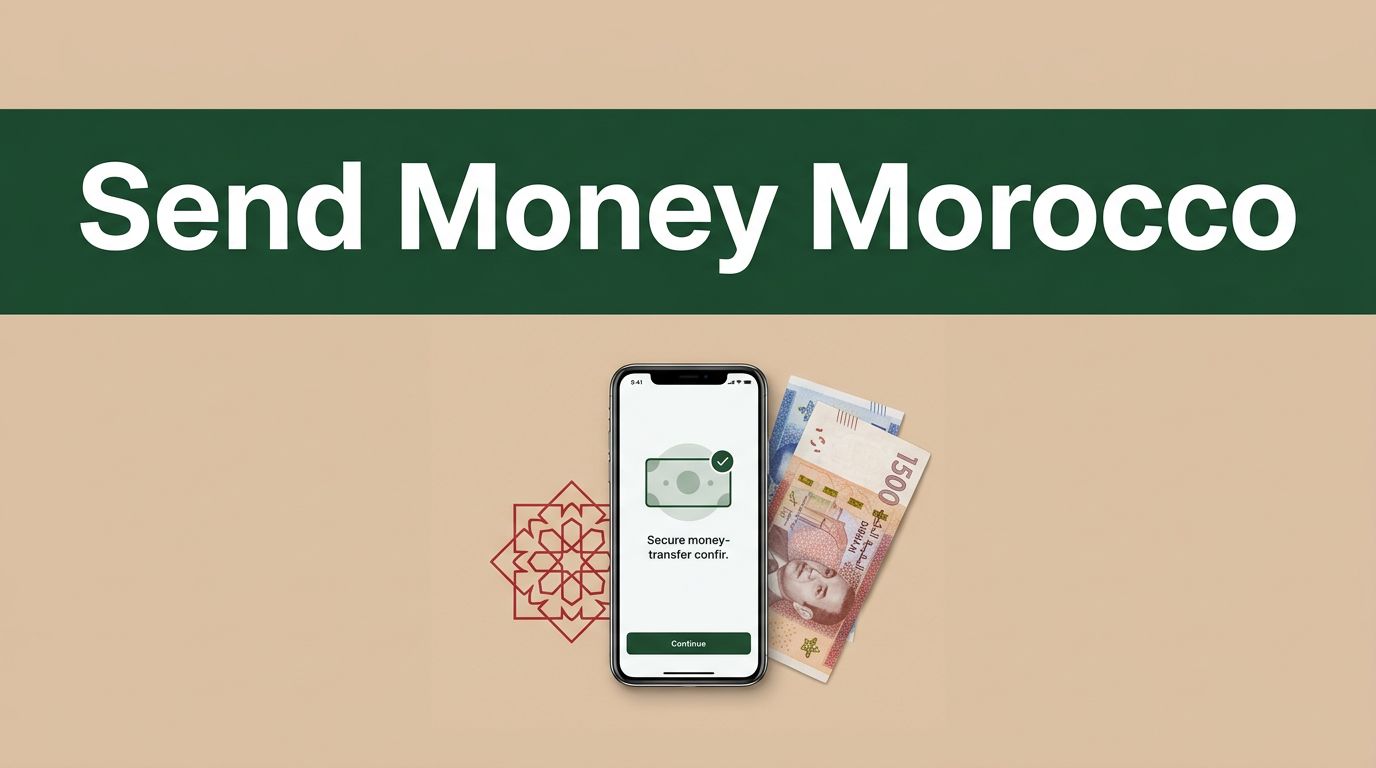
Sending funds across borders requires careful evaluation when you want your money to arrive securely without losing value to hidden charges. If you live abroad and need to support family, pay tuition, or settle expenses back home, choosing the right platform matters. When you want to send money to Morocco, Remitly provides a structured digital pathway that replaces slow traditional wire services with clear online tracking and flexible payout channels.
Understanding how the system works before you initiate a transfer prevents costly mistakes and delays. You need to know how exchange rates function, what delivery options exist, and which details your recipient must provide. Reviewing these operational requirements ensures your funds move smoothly from your foreign bank account straight to your recipient in Morocco.
Key Takeaways
- Choose your delivery method based on recipient access, comparing bank deposits, cash pickup locations, and mobile wallets.
- Verify live transfer quotes in the Remitly app because exchange rates and fee structures fluctuate constantly based on market conditions.
- Collect accurate recipient details beforehand, including full legal names matching official identification and banking identifiers like the RIB.
- Fund your transfer using debit cards, credit cards, or direct bank transfers according to your speed and cost preferences.
Evaluating Remitly Delivery Options for Morocco
When you send money to Morocco, your recipient’s access to local financial infrastructure dictates which delivery method you should select. Remitly offers three primary fulfillment channels for Moroccan transfers. Each option balances speed, convenience, and local partner network availability differently.
Bank deposits route funds directly into a recipient account at established institutions such as BMCE Bank, Societe Generale, or Credit Agricole. This method suits regular support payments where your recipient prefers managing funds digitally without traveling. Cash pickup allows recipients to collect physical currency immediately at partner storefronts like Wafacash or Cash Plus. Mobile wallets offer direct digital credit for users managing expenses through supported services like Orange Money.


Photo by Manuel Guillén Vega
How to Set Up Your Remitly Transfer to Morocco
Executing an international transfer requires a systematic sequence of inputs to ensure compliance and accurate routing. You start by opening the Remitly mobile application or desktop portal and entering your desired transfer amount. The interface displays the current exchange rate and any applicable fees before you commit funds. For deeper insight into platform features and regional routing rules, you can review Remitly’s guide on sending money to Morocco.
Next, select your chosen delivery method and input the required recipient details carefully. If you select a bank deposit, you must provide the recipient’s full legal name alongside their bank account information. For Moroccan accounts, this typically includes the RIB, which is a 24-digit bank account identifier. For cash pickups, ensure the recipient’s name matches their official government ID character for character. Any discrepancy during collection at partner locations creates unnecessary release delays.
Always double-check your recipient’s banking identifiers and full legal name against their government-issued identification before submitting a transfer. A single typo in a bank account number or spelling mismatch stalls payout verification at local pickup counters.
Understanding Exchange Rates and Transfer Costs
Evaluating the total cost of an international transfer requires separating upfront service fees from currency conversion margins. Remitly frequently runs promotional fee structures for specific corridors, advertising zero-fee options for certain bank deposits and mobile wallets. However, the exchange rate applied to convert your home currency into Moroccan Dirham contains a provider margin.
You should check live conversion figures directly on Remitly’s USD to MAD exchange rate portal right before you authorize a transaction. Rates shift continuously throughout the business week based on global forex movements. Comparing the offered rate against the mid-market rate gives you a clear picture of the total transaction cost. Funding your transfer with a debit card or bank account also affects processing speed and overall expense compared to credit card funding options.
Maintaining Security and Ensuring Successful Delivery
International remittance transactions demand strict adherence to verification protocols to prevent fraud and comply with anti-money laundering regulations. Remitly may prompt you to verify your identity by uploading government identification documents if your transfer volume exceeds standard initial thresholds. Keep your documentation updated to avoid sudden freezes on your transfer queue.
You can track your transfer status in real time through the platform dashboard once your payment clears. Share the transaction reference number securely with your recipient only after you receive confirmation that the funds have cleared processing. If you encounter unfamiliar terms or complex transfer rules while preparing your documents, you can consult Remitly’s safety guide for Moroccan transfers to verify step-by-step security protocols.
Conclusion
Managing international remittances efficiently comes down to preparation and platform familiarity. By mapping out your recipient details, selecting the optimal delivery channel, and checking live quotes before you initiate a payment, you remove guesswork from the process. Set up your account, verify your payout parameters, and execute your transfer with confidence.