How to Send Money to Turkey Using Remitly
Sending money across borders gets complicated when fees, exchange rates, delivery methods, and verification rules change by transaction. If you need to send money to Turkey, Remitly gives you a guided process for choosing the route and revi...
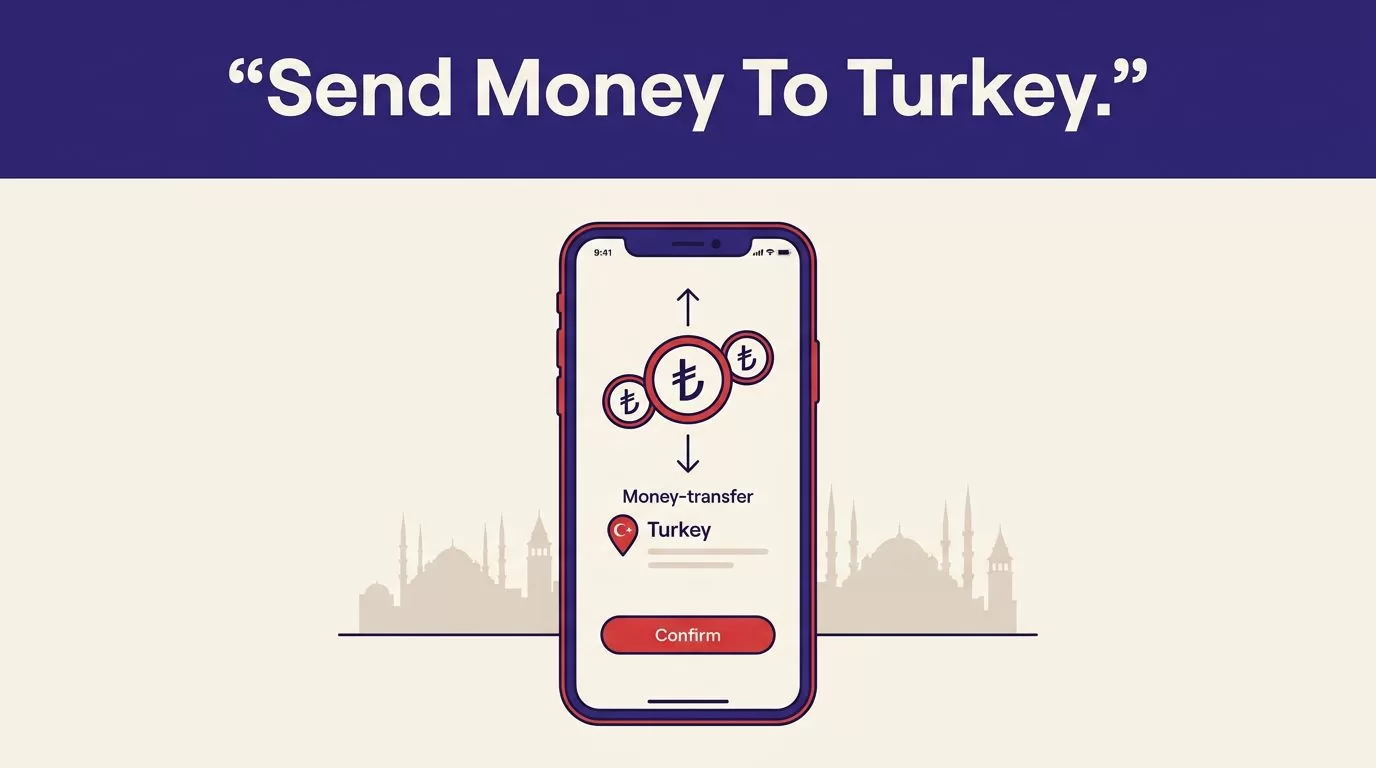
Sending money across borders gets complicated when fees, exchange rates, delivery methods, and verification rules change by transaction. If you need to send money to Turkey, Remitly gives you a guided process for choosing the route and reviewing the final amount before payment.
Your job is not to accept the first quote. Check the recipient’s amount, total cost, exchange rate, delivery estimate, and any verification request before confirming. Start by checking whether Remitly supports your sending country and preferred payout method.
WHAT REMITLY SUPPORTS FOR TURKEY TRANSFERS
Remitly supports transfers to Turkey from multiple origin markets. Its U.S. website lists Turkey as a destination, while its U.K. and Germany services also show Turkey routes. Availability still depends on where you send from, the recipient’s location, local regulations, and Remitly’s current provider network.
You can review the current route on Remitly’s Turkey transfer page. The page for U.S. senders won’t necessarily match the quote available to someone sending from the Netherlands, Germany, or another country.
Photo by Monstera Production
CHECK THE SENDING COUNTRY
Select your actual sending country before creating the transfer. Remitly’s pricing, payment methods, supported currencies, and identity checks can change by corridor.
Don’t assume that a person in the United States can use the same route as a sender in Turkey. Turkey is generally treated as a receiving destination in the available Remitly material. Service availability for transfers originating in Turkey may not be available.
If the route doesn’t appear in the app or website, don’t use a different country setting. That can create verification problems and may violate the service terms.
CHECK THE RECIPIENT’S PAYOUT ROUTE
The recipient may receive funds through a participating bank or payout provider. Remitly pages for Turkey show institutions such as HSBC Bank and ING Bank, alongside other local providers. The list can vary by sender country, transfer currency, and account setup.
Some routes also identify a specific Turkish Bank delivery option. Review Remitly’s Turkish Bank instructions if that matches your recipient’s account.
HOW TO SEND MONEY TO TURKEY USING REMITLY
The process is simple when you have the recipient’s correct details before you start. Use the official Remitly website or app, such as the official Remitly money transfer service, rather than a link sent by an unknown person.
1. OPEN THE OFFICIAL REMITLY FLOW
Create an account or sign in. Enter the country where your funds originate and select Turkey as the destination.
Remitly may request identity information before allowing the transfer. Provide your legal name and current details. Use the same information connected to your payment method where required.
Verification can happen during account creation, before payment, or when you try to send a higher amount. Follow the request shown in the app. Don’t create multiple accounts to bypass a review.
2. ADD THE RECIPIENT
Enter the recipient’s full legal name exactly as it appears on their bank or identification records. Check every letter before continuing.
Add the recipient’s phone number and bank information when requested. If the route asks for an account number or IBAN, copy it directly from the recipient. Don’t guess missing digits or select a bank because its name looks similar.
Ask the recipient to confirm the details through a separate channel. A message sent from a compromised account can contain incorrect payment instructions.
3. SELECT THE DELIVERY OPTION
Choose the available delivery method and payout currency. The recipient may receive Turkish lira, while some routes can show other currency options.
Remitly commonly presents Economy and Express service tiers. The available choice, cost, and delivery estimate depend on the corridor, payment method, amount, and provider.
Select the method that fits the actual need. Don’t choose Express only because it sounds faster. Check the delivery estimate and total cost on the review screen.
4. REVIEW, PAY, AND TRACK
Review the complete transaction before authorizing payment. Confirm:
- The amount you send and the amount the recipient receives.
- The exchange rate used for the transaction.
- The transfer fee and total amount charged.
- The recipient’s name and payout details.
- The selected delivery method and estimated arrival time.
Pay with the method available for your route. Save the confirmation number and tracking details after payment. Share the transfer reference only with the intended recipient.
REMITLY FEES AND EXCHANGE RATES
The fee is only one part of the cost. A transfer with a low visible fee can still deliver less if its exchange rate is weaker.
Compare the amount deducted from your account with the amount delivered in Turkey. The quote should show both figures before you confirm. This gives you a better comparison than looking at the advertised fee alone.
Current Remitly pages show route-specific examples. The U.S. service has displayed a first-transfer promotion with no fee for eligible new customers, subject to conditions and limits. U.S. USD-to-TRY pricing can also show a standard fee example around $2.99. These figures are not permanent promises.
A sender using euros sees a different calculation. For example, Remitly’s EUR to TRY rate page for the Netherlands currently shows route-specific EUR pricing. That quote doesn’t automatically apply to senders in Germany, the U.K., or the United States.
CHECK THE FINAL QUOTE, NOT A SEARCH RESULT
Search results and promotional pages can show an attractive rate that changes after you enter the amount, payment method, or delivery option. Treat the final in-app quote as the usable figure.
Before payment, verify the following values:
- The exchange rate applied to your exact amount.
- The fee for your chosen payment and delivery method.
- The total debit from your account.
- The final amount the recipient receives.
- The estimate for completion.
Record the quote if you send money regularly. This gives you a practical comparison between transfers instead of relying on memory.
TREAT PROMOTIONS AS ONE-OFF CONDITIONS
Welcome rates and fee-free first transfers often apply only to new customers. They may also include a maximum amount, an eligible payment method, or a limited promotional period.
Don’t build a recurring family budget or supplier payment around a welcome offer. Run the quote again each time. If the transfer supports a business payment, keep the receipt, exchange rate, fee, and transaction purpose in your accounting records.
DELIVERY OPTIONS AND PROCESSING TIMES
Remitly’s delivery estimate depends on the sending country, payment method, transfer amount, verification status, provider, and local banking schedule. There isn’t one delivery time that applies to every transfer to Turkey.
The estimate shown in your Remitly app or on the official website is the relevant one for your transaction. It can change if Remitly needs more information or the recipient’s bank rejects or reviews the payout.
ECONOMY AND EXPRESS DELIVERY
Economy and Express are common Remitly service tiers. Economy may suit routine family support when cost matters more than speed. Express may suit an urgent transfer when the additional cost and payment requirements are acceptable.
The app will show which options are available for your route. Compare the delivery estimate with the fee before selecting one. A faster tier doesn’t remove the need to verify the recipient’s bank information.
BANK DETAILS CAN DELAY A TRANSFER
Incorrect bank data is a common cause of failed or delayed delivery. Ask the recipient to confirm the account holder name, bank name, account number, and IBAN when applicable.
Check whether the recipient’s account can receive the selected currency. If the app displays a provider restriction or a required payout field, stop and resolve it before payment.
If you notice a mistake after sending, contact Remitly support immediately. Cancellation or recovery depends on the transfer status and provider. Once funds are paid out, recovery may not be possible.
TRANSFER LIMITS AND IDENTITY VERIFICATION
Remitly applies sending limits over different periods. Its public information refers to limits that can apply across 24 hours, 30 days, and 180 days.
The exact limit depends on your location, the recipient’s location, the payout provider, your account history, and the transaction details. Additional restrictions can apply to a specific receiving location.
PLAN FOR LIMIT REVIEWS
A larger transfer may trigger an identity or source-of-funds review. Remitly may request additional personal information or payment details when you ask for a limit increase.
Complete the review through the official app or website. Don’t send identity documents to a person who contacts you through social media or an unverified email address.
If you need to transfer a large amount, start the setup before the payment deadline. Don’t split one payment into several transfers to avoid a limit. That can create more reviews and may conflict with compliance controls.
DELIVERY ESTIMATES CAN CHANGE
A displayed arrival time is an estimate tied to the current transaction. Bank holidays, weekends, provider checks, payment delays, and missing recipient information can affect completion.
For an urgent payment, send early enough to allow for a review. Don’t promise a fixed arrival time to a family member, employee, contractor, or supplier until the transfer is confirmed and the estimate is visible.
SAFETY CHECKS BEFORE YOU SEND
Use a short verification process for every new recipient. This matters more when someone asks for an urgent payment or changes their bank details.
Confirm the request through a known phone number or an existing conversation. Don’t rely on a new message that says the recipient has lost access to their usual account.
WATCH FOR COMMON TRANSFER SCAMS
Never share your Remitly password, one-time verification code, payment card details, or identity documents with an unknown contact. Legitimate support should not require you to send private login credentials to another person.
Be cautious when someone asks you to:
- Send money to a stranger for a job, prize, loan, or investment.
- Pay a fee before receiving money.
- Use gift cards or cryptocurrency to complete a transfer.
- Change the recipient’s account after a rushed request.
- Send a verification code so they can “release” the payment.
If a transfer request feels urgent but cannot be verified, pause it. A delayed payment is easier to fix than a completed scam transfer.
KEEP BUSINESS PAYMENTS TRACEABLE
Remitly can be useful for personal remittances, but business users need an approved payment process. Confirm that the service and account type permit the intended business use.
For a supplier or contractor payment, record the invoice, recipient identity, transfer purpose, fee, exchange rate, and receipt. Match the recipient’s legal name with your vendor records.
Separate the person requesting payment from the person approving a new bank account. This basic control reduces the risk of paying a fraudulent account.
CONCLUSION
Remitly gives you a practical way to send money to Turkey when your sending country and recipient route are supported. The process requires accurate recipient details, a valid payment method, and a final review of the fee, exchange rate, delivery option, and estimated arrival time.
Fees, limits, currencies, promotions, and delivery speeds can change. Verify the final quote in the Remitly app or official website before every transfer. Accuracy before payment is the control that prevents most avoidable problems.
