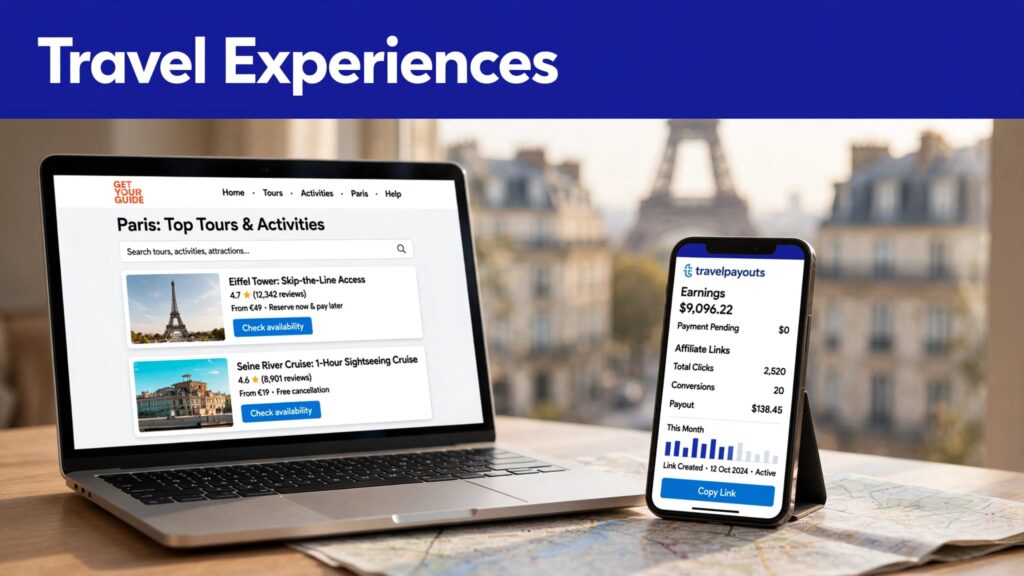
A travel community doesn’t need more affiliate links. It needs better answers at the moment a member is ready to book.
Travelpayouts monetization works when your recommendations reduce booking friction. A generic hotel banner won’t do that. A clear “where to stay near Shinjuku Station” guide might.
Build trust first. Then connect useful content to the right booking options.
Travelpayouts Monetization Starts With Community Value
Your audience joins for decisions, not promotions. They want to know which airport transfer works after midnight, whether a rail pass fits their route, or which neighborhood makes a three-day stay easier.
That gives you a better monetization model. You publish useful travel guidance. Members act on it when it matches a real trip. Affiliate revenue becomes a byproduct of good recommendations.
Travelpayouts is free for publishers to join and provides access to travel affiliate programs and tools such as links, widgets, and banners through its affiliate partnership platform.

Photo by Andrea Piacquadio
Don’t turn every post into a booking page
A destination guide can include a booking option. It shouldn’t read like a checkout page with paragraphs attached.
Start with the member’s job. Help them compare routes, understand timing, avoid a poor location, or identify a service that fits their budget. Add a partner link only after the recommendation is earned.
A community that trusts your advice will return. A community that feels pushed will mute, unsubscribe, or stop asking questions.
Build for repeat decisions
Travel planning happens in stages. Someone may first need visa guidance. Next, they compare flights. Later, they need a hotel, car, eSIM, airport transfer, or activity.
Your content should support each stage without forcing a sale. That creates several useful paths to a booking instead of one aggressive callout.
Define the Booking Problems You Solve
Don’t begin with the full affiliate program catalog. Begin with the recurring questions inside your community.
Review newsletter replies, group discussions, search queries, direct messages, and support emails. Sort them into a small set of booking problems.
Common examples include:
- Finding a hotel in a walkable area for a first visit.
- Choosing flights when baggage, stopovers, or arrival time matter.
- Booking a rental car for a route with limited public transport.
- Comparing airport transfers for late arrivals.
- Finding tours that fit families, solo travelers, or short layovers.
Turn questions into content assets
One repeated question can become a durable asset. “Where should I stay in Lisbon?” is too broad. “Best Lisbon areas for a first-time visitor without a car” gives you a clear reader and a clear decision.
Build a short answer first. Then create a full guide, map, newsletter sequence, or community resource page around it.
Your strongest pages usually sit close to a booking decision. They answer a narrow problem and link to a relevant provider.
Separate research content from transaction content
Not every post needs a monetization path. A packing list, cultural guide, or trip diary may build loyalty without producing direct bookings.
Keep those pages. They attract the right audience and prove you understand the destination.
Transaction-focused content needs a different standard. It must be current, practical, and honest about tradeoffs. Members should leave knowing what to book, why it fits, and what to check before payment.
Set Up Your Travelpayouts Account Properly
Travelpayouts monetization becomes hard to manage when every link is treated as the same link. Set up your account and tracking structure before you publish at volume.
Add each approved traffic source in the platform. That can include your website, newsletter, YouTube channel, social account, or community. Travelpayouts states that partners should add their traffic sources and use affiliate tools for those listed sources in its affiliate tools overview.
Join programs based on audience fit
A program with a large headline percentage may still be a poor fit. Read what the commission applies to. It may be based on booking value, the advertiser’s revenue, or a completed transaction after exclusions.
Check these items on every program page:
- The service and destinations the provider supports.
- The commission basis and the booking events that qualify.
- The cookie period and attribution rules.
- Whether cancellations, changes, taxes, insurance, or extras affect rewards.
- The payout threshold and available payment method for your account.
Travelpayouts’ public terms state that rates and calculation rules vary by affiliate program. Don’t publish a fixed earnings claim based on a rate you saw months ago.
Use a simple tracking structure
Create a naming system before you create links. Use one label for the content asset, one for the channel, and one for the placement.
For example, a Tokyo hotel guide may use a marker such as tokyo-hotel-guide, while a newsletter placement uses weekly-newsletter. The labels should tell you where a booking started.
That data helps you fix weak pages later. Without it, you only see a total and guess.
Build Content Around Real Travel Intent
Search traffic and community traffic behave differently. A search visitor may need one answer now. A community member may need help across six weeks of planning.
Build a small content system that supports both.
Use destination hubs as your base
Create one hub for each destination or trip type you cover. Link to practical guides inside it, such as arrival, neighborhood selection, transport, seasonal planning, stays, and activities.
A Rome hub might contain:
- Where to stay for a first trip.
- How to get from Fiumicino Airport.
- A three-day walking itinerary.
- Hotel options by neighborhood and budget.
- Day trips that work without a rental car.
Each page should have one primary decision. Don’t make readers dig through 3,000 words to find a hotel recommendation.
Publish timely booking alerts carefully
Flight deals, hotel sales, and seasonal offers can work well in a newsletter or member group. They only work when you give enough context.
State the route, dates, baggage limits, departure airport, and the reason the deal is useful. A relevant Europe flight deal example gives readers a clear route and price context instead of a vague “cheap flights” claim.
Never create false urgency. Prices can change before a reader reaches the booking page. Say so.
Match Each Recommendation to the Right Program
A booking link should complete the recommendation you already made. It should not send the reader to a broad homepage and expect them to start over.
Travelpayouts lets partners access the tools associated with a brand after they connect to its program. Review the available affiliate program tools before choosing a content format.
Use deep links for specific recommendations
Deep links send a member to a relevant page on the travel brand’s site. Use them for a named property, route, activity, vehicle category, or destination search when the program permits it.
A post about hotels near Barcelona Sants should not link to a generic travel homepage. Send readers to results that match Barcelona and the right dates or area when possible.
Travelpayouts explains the setup process in its guide on creating affiliate links.
Choose widgets only when they help
A hotel map, flight search widget, or comparison tool can help members explore options. It can also slow the page, distract from the answer, or fail on mobile.
Use a widget when members need to compare many options. Use a contextual link when you have already narrowed the choice.
A booking tool should shorten the path to a decision. If it adds another task, remove it.
Place Links Where Members Expect Them
The best placement is usually close to the decision. A reader who has finished a section on Tokyo neighborhoods is ready for hotel options. A reader in the first paragraph is still trying to understand the trip.
Don’t hide links in buttons that give no clue about the destination. “Check current Kyoto hotel availability” is clear. “Get started” is not.
Use one primary action per section
A page can mention flights, hotels, transport, and tours. It should still have one main action based on its purpose.
A “Where to stay in Paris” page should focus on accommodation. Link to flight options only if a short planning note makes that useful.
This keeps the page clean. It also makes your tracking data easier to read.
Keep promotion out of community conversations
In a private group, answer the question before you share a link. If a member asks for a safe late-night airport transfer, explain the options, pricing factors, and timing risks.
Then share the booking option you would use for that situation. Include your disclosure near the recommendation.
Don’t drop affiliate links into unrelated threads. That behavior damages the group faster than it earns revenue.
Disclose Affiliate Relationships Without Hiding Them
Affiliate disclosure is not a footer problem. Put it near the recommendation, especially in newsletters, social posts, video descriptions, community messages, and booking guides.
Use plain language. Readers should understand that you may earn a commission and that they do not pay extra because of it.
A practical disclosure looks like this:
Some links in this guide are affiliate links. If you book through them, we may earn a commission at no extra cost to you.
Put the disclosure before the link matters
Don’t place the disclosure after a long list of hotel buttons. Readers need it before they decide whether to act on your recommendation.
The FTC’s endorsement guidance requires disclosures to be clear and conspicuous. Rules can differ by country, audience location, and channel. Check current Travelpayouts terms, advertiser rules, and applicable advertising laws before publishing.
Avoid claims you can’t support
Don’t say a property is “the best” unless you explain the criteria. Don’t claim a flight is the cheapest without checking live results. Don’t promise that a reader will get a particular rate, availability, or reward.
Travel products change fast. Prices, restrictions, inventory, and cancellation policies can move between your update and the reader’s booking.
Date-stamp your guides. Review seasonal pages before peak travel periods.
Track Approved Earnings, Not Click Volume
Clicks show interest. They don’t prove revenue. Pending bookings don’t prove revenue either.
A booking may be canceled, rejected, changed, or attributed elsewhere. Travelpayouts uses program-level rules, and some programs have different confirmation periods and reward conditions.
Keep a fixed earnings record
Use a spreadsheet or database with one row per page, channel, and program. Record:
- Content URL and traffic source.
- Travelpayouts program and offer name.
- Rate or reward condition, plus the date checked.
- Clicks, pending rewards, approved rewards, and reversals.
- Booking period, payment date, and payout status.
Use this calculation:
Net affiliate earnings = approved percentage rewards + approved fixed rewards – reversals
Keep original entries. If a commission changes after a cancellation or refund, add an adjustment row. Don’t overwrite the first record and lose the reason for the change.
State your assumptions when forecasting
You can estimate potential results for planning. Label every estimate as an assumption.
For example, you may assume a guide receives 2,000 monthly visits, 3% of visitors click, and 2% of clicks produce an approved booking. That is a model, not an income promise.
Actual earnings vary by audience quality, traffic source, destination, booking value, seasonality, conversion rate, cancellations, and program rules. A high click count can still produce weak approved revenue.
Review Performance and Fix Weak Pages
Set a monthly review. Start with approved earnings by page, channel, and partner program. Then investigate the pages that get clicks but fail to produce confirmed bookings.
Travelpayouts provides reporting views for performance, bookings, and referrals. Its affiliate marketing guide explains the publisher dashboard and booking reporting basics.
Diagnose the booking path
High clicks and low approval can point to several issues:
- The recommendation doesn’t match the reader’s intent.
- The link lands on an irrelevant or broken destination.
- The provider doesn’t support the reader’s location or currency.
- The page is outdated or weak on mobile.
- The reader clicked another affiliate link before booking.
Fix the path before you chase more traffic. Update the destination, make the recommendation narrower, or remove an offer that doesn’t fit your audience.
Expand proven content, not random offers
When a guide produces approved bookings, build related content around it. Add a neighborhood guide, seasonal update, itinerary, email follow-up, or community resource.
If your team has development capacity, Travelpayouts also offers APIs for some programs. The API tool overview lists the available options. Use an API only when you can maintain accurate data and a reliable user experience.
Protect Trust as You Scale
More programs can create more admin work. Add offers slowly. Test one category, one destination, or one placement at a time.
Keep a record of the program terms you checked, the date you checked them, the content location, and the results. This makes updates easier when a provider changes its rules.
Give every booking recommendation an owner
Someone should own each revenue page. That person checks links, updates stale facts, reviews performance, and removes expired offers.
Use clear statuses in your content tracker:
- Draft for pages still under review.
- Live for approved pages with working links.
- Needs review for outdated offers, broken links, or weak results.
- Retired for pages you no longer support.
A published page is not finished. Travel content needs maintenance because the booking market changes every day.
Conclusion
Travelpayouts monetization works best when it sits behind useful travel advice. Your members need honest help with real booking decisions, not a wall of links.
Track approved earnings, disclose relationships clearly, and remove offers that create friction. Trust is the asset that makes a travel community worth monetizing over time.