Fitness Product Trends: Cross-Checking Exploding Topics With Social
Trending fitness products leave clues before they take off. I use Exploding Topics to catch those clues early, then I check whether the interest looks like real buying behavior. In April 2026, I keep seeing smart resistance bands, connected...
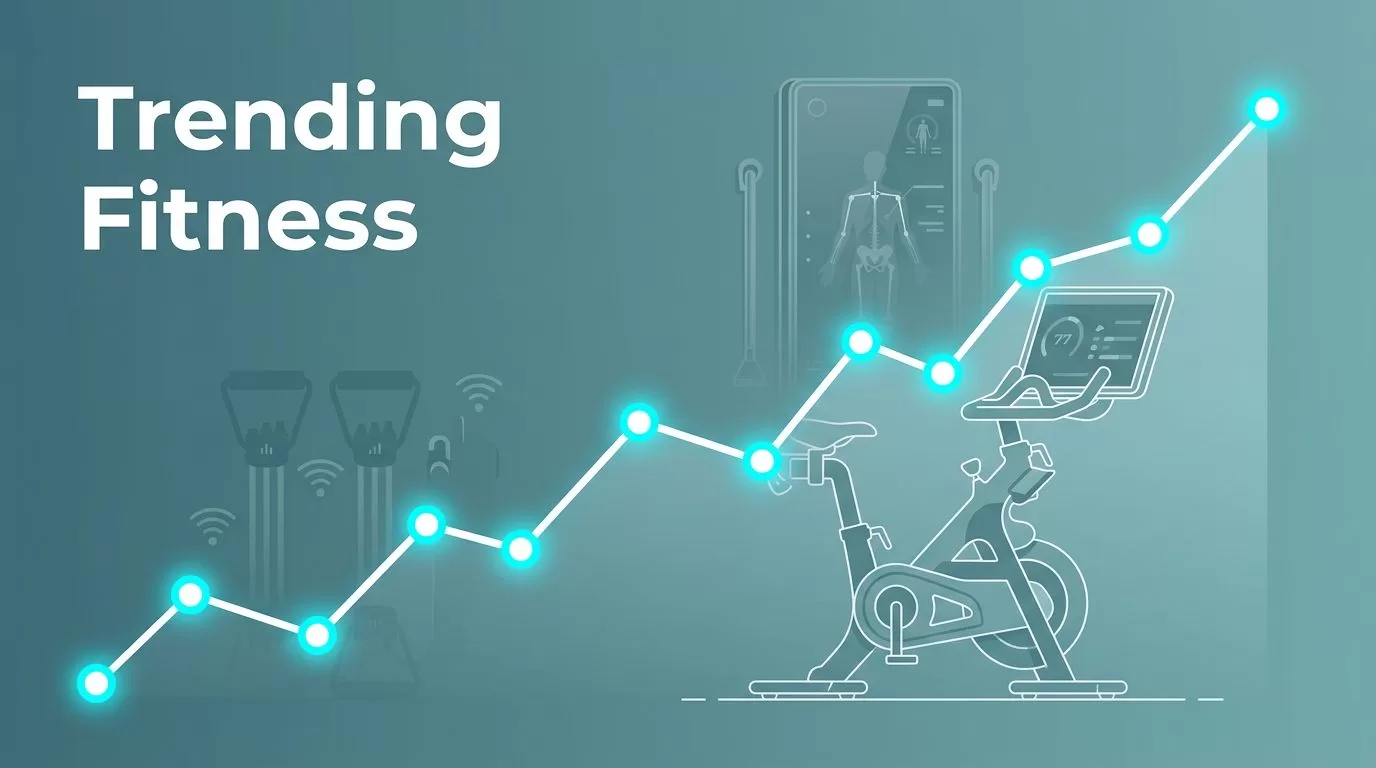
Trending fitness products leave clues before they take off. I use Exploding Topics to catch those clues early, then I check whether the interest looks like real buying behavior.
In April 2026, I keep seeing smart resistance bands, connected cardio, recovery gear, and AI-assisted home equipment. Still, a rising graph can fool me, so I cross-check search, marketplaces, and social chatter before I trust it.
That routine keeps me focused on products with legs.
How I start inside Exploding Topics
I don’t open Exploding Topics looking for the loudest idea. I look for a cluster. One spike can be noise, but three related rises can point to a real shift.
I usually begin with my broader Exploding Topics trend process, then I compare the fitness category with the live Trending Fitness Topics (April 2026) page. When I want a wider market view, I also check 44 Trending Products to Sell (2026).
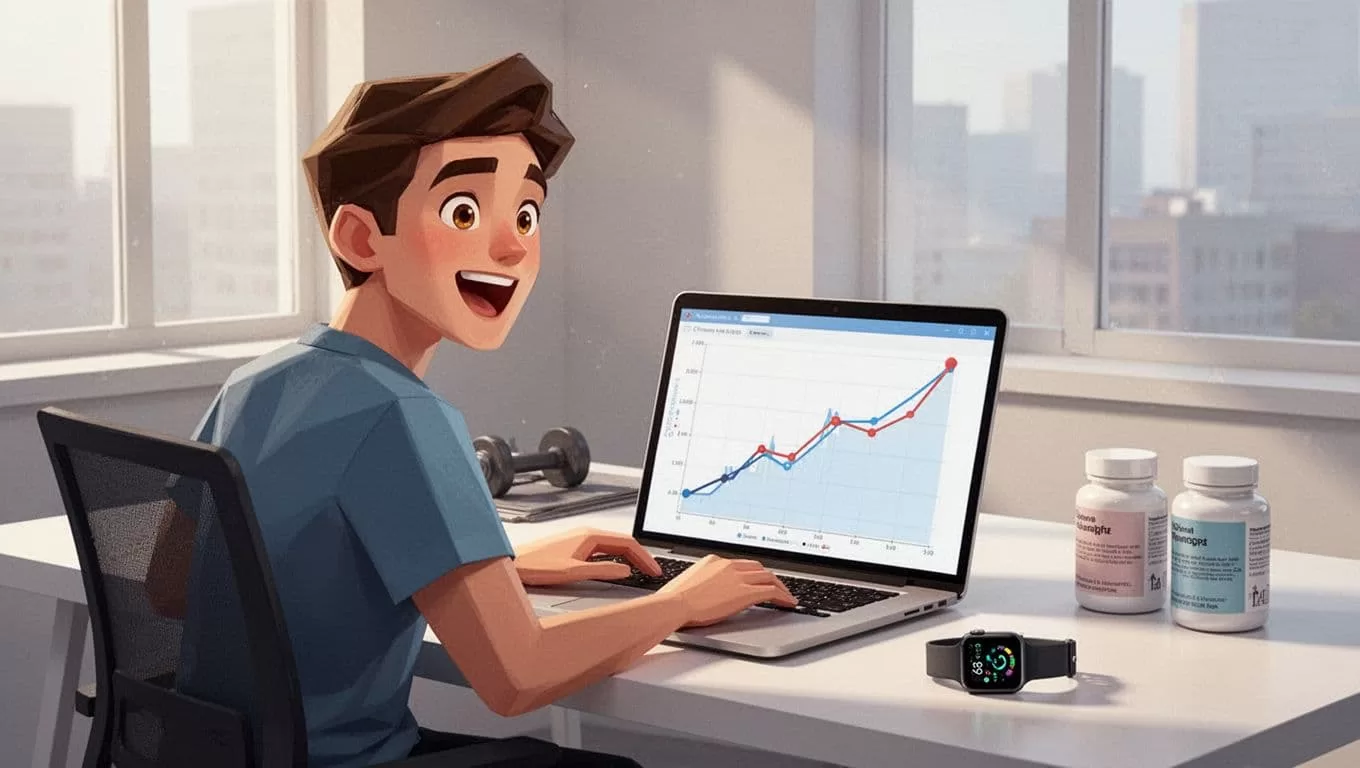
I’m looking for language that hints at buying, not just curiosity. Words like “best,” “compare,” “price,” and “review” matter to me. They tell me the market is moving closer to a checkout page.
Fitness categories I keep seeing in April 2026
The strongest signals I see right now cluster around a few fitness product groups. I don’t treat them the same, because each one has a different sales story.
- Smart connected gear covers wearables, smart resistance bands, bikes, and rowers. These products win when they save time or improve form.
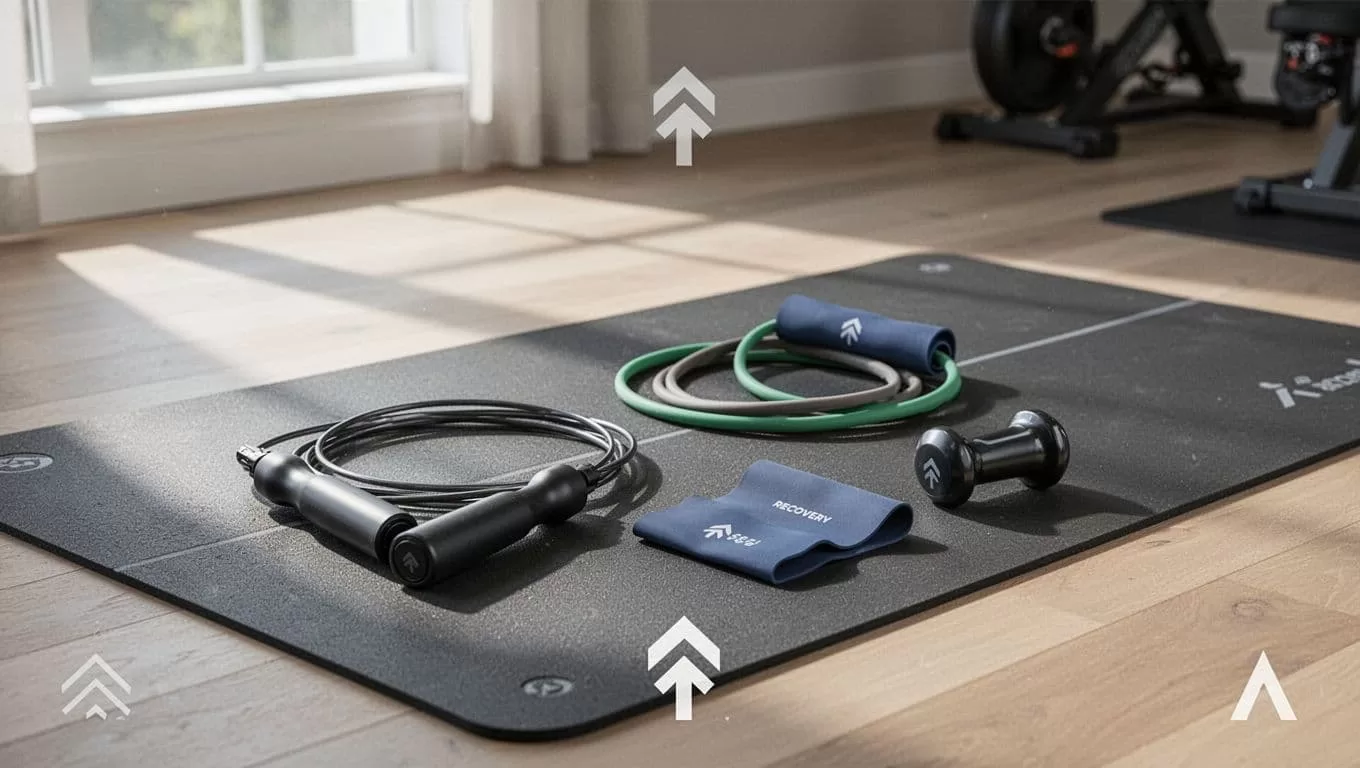
- Compact home equipment includes walking pads, smart jump ropes, and foldable cardio tools. These fit small spaces and busy schedules.
- Recovery tools include compression sleeves, massage devices, and other bounce-back products. People buy these when they want less soreness and faster return to training.
- Nutrition and hydration items still show strong search interest. They work best when I can tie them to a repeat habit.
I pay close attention to products with a clear use case. A smart band that tracks reps is easier to sell than a vague “fitness upgrade.”
When I want a second opinion, I compare that list with Top Fitness Trends in 2026. I also use my ecommerce niche filters when I want to see whether a fitness product fits a broader buying pattern.
How I tell a signal from a fad
A rising chart is a clue. It isn’t a purchase order.
I use a simple filter before I touch inventory or spend on ads. It helps me separate real demand from shiny noise.
| Signal | What I look for | Why it matters |
|---|---|---|
| Growth curve | A steady rise over months | It suggests real interest |
| Buyer intent | Search terms like “best,” “price,” or “review” | People are closer to buying |
| Use case | Daily or weekly use | Repeat demand is easier to build on |
| Competition | A few strong sellers, not a wall of clones | There may be room to stand out |
| Economics | Healthy margin and simple shipping | The product can survive returns and ads |
I use this table fast. If two rows fail, I move on. If most of them hold up, I keep testing.

Photo by MART PRODUCTION
That simple setup is a good reminder. A strong fitness product usually solves a daily problem, not a one-time thrill.
My cross-check routine across search and social
I never trust one source on its own. Instead, I compare the trend with a few places that show real behavior.
- Google Trends tells me whether interest is climbing or fading. I want a curve, not a blip.
- Amazon shows buying language in reviews, ratings, and related searches. I look for repeated complaints and repeated praise.
- TikTok helps me see whether the demo is spreading. One viral clip is not enough.
- Reddit gives me blunt feedback. People there say what they like, what breaks, and what feels overpriced.
- Social signals matter when the same product keeps appearing across creators, comments, and hashtags.
I also compare the pattern with Top Fitness Trends in 2026 and keep Exploding Topics’ trending products page open when I want adjacent ideas.
If the same fitness product shows up in search, marketplaces, and social posts, I pay attention. If it only shows up in one place, I stay cautious.
How I turn a trend into a product test
Once a fitness product passes my first filter, I keep the test small. I’m not trying to build a full catalog on day one.
- I choose one product with one clear buyer.
- I build one landing page or product page.
- I run a small traffic test or content push.
- I watch add-to-cart rates, email signups, comments, and repeat visits.
- I decide whether the idea deserves more time.
That process keeps me from confusing interest with demand. It also helps me spot which products deserve a second look.
When the trend fits a bigger market shift, I test it harder. When it feels thin, I move on fast. That discipline matters more than finding a perfect chart.
What I keep after the test
Exploding Topics gives me the first signal, not the final answer. That’s the part I trust most. It helps me spot movement before the crowd piles in.
The fitness products worth chasing in 2026 still share the same traits. They solve a real problem, fit a normal routine, and show up in more than one data source.
That’s where I keep looking.
