How I Find Trending Outdoor Gear Fast With Exploding Topics
I don’t start with a product when I look for trending outdoor gear. I start with a signal, because the fastest wins usually show up before the crowd notices them. Exploding Topics helps me spot rising outdoor categories early, then I...

I don’t start with a product when I look for trending outdoor gear. I start with a signal, because the fastest wins usually show up before the crowd notices them.
Exploding Topics helps me spot rising outdoor categories early, then I check search intent, seasonality, and competition before I build content or inventory around them. That order matters for marketers, ecommerce teams, affiliate publishers, and outdoor brands alike.
I keep the process simple, so I can move before the season peaks.
What I look for before I trust a gear trend
I begin with category-level motion, not a single product. I keep one eye on Exploding Topics’ product topics page and another on my trend-spotting guide.
In April 2026, the clearest movement sits around ultralight backpacks, sleeping systems, jackets, trail shoes, trekking poles, and compact camp tools. That lines up with outdoor coverage like Outside’s 2026 gear preview, where the same themes keep showing up, lighter weight, better comfort, and stronger materials.
I treat a spike as a lead, not a verdict.
A fast jump can come from a viral clip. A slow climb usually means real demand. That difference saves me from building content or inventory around a one-week mood.
My five-minute scan inside Exploding Topics

When I want speed, I open a small keyword set and move through five checks.
- I start broad with “outdoor gear”, “camping gear”, “backpacking gear”, and “trail running shoes”. That helps me see which lane is moving.
- I sort for slope, not just volume. A clean rise beats a sharp spike.
- I open related clusters and look for neighbors. If backpacks, sleep mats, and jackets rise together, I may be seeing one buyer need, not three random products.
- I save terms with clear intent. Words like best, review, lightweight, waterproof, and ultralight tell me people are close to buying.
- I match the trend to a business model. Content needs search demand. Ecommerce needs margin and repeat use. If I’m testing a store idea, I compare it with my ecommerce niche research workflow so I don’t chase a pretty chart.
Current gear examples I’d watch include carbon-frame packs, moisture-resistant sleeping bags, insulated mats, trail runners, voice-activated lanterns, and compact stoves. I’m not claiming every item will win. I’m looking for categories that can support content, affiliate pages, or a product line.
How I test search intent, seasonality, and competition
Before I spend time on a topic, I run a quick validation pass. I want at least two checks to line up.
| Check | What I want to see | What I do next |
|---|---|---|
| Search intent | Best, review, buy, compare language | Build a guide or product page |
| Seasonality | Repeat peaks or a clean climb | Time the launch window |
| Competition | Weak pages, thin specs, few real tests | Find a sharper angle |
| Fit | The item solves a real outdoor problem | Keep or drop the idea |
Search intent and seasonality usually tell me whether the trend belongs in a how-to article, a comparison page, or a store launch. For timing, I pair this with my seasonal launch process. A sleeping bag trend in summer may point to shoulder-season backpacking, while a shell trend in spring may point to wet trail use.
If the query looks informational, I write for education first. If it looks commercial, I build a page that helps readers compare options without fluff. If competition feels crowded, I move on unless I can bring a clearer angle or a stronger bundle.
Outdoor gear categories I would watch first
In April 2026, I would start with categories that solve obvious field problems. Weight matters. Weather matters. Sleep quality matters too.
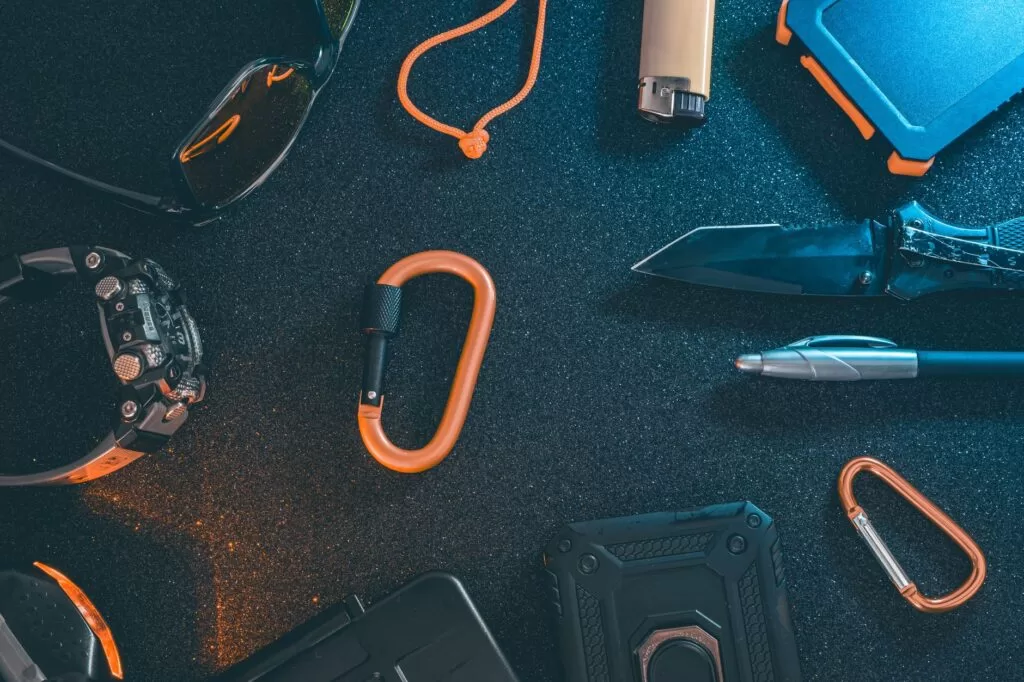
Photo by Sonny Vermeer
- Ultralight backpacks and frameless packs appeal to hikers who count every ounce.
- Sleeping bags and insulated mats work well because comfort is a constant search.
- Lightweight shells and down jackets fit spring and shoulder-season use.
- Trail runners and waterproof boots catch attention when grip and durability matter.
- Trekking poles and compact stoves often pair with the bigger ticket items.
These are not sales promises. They are categories I would test first because they line up with clear buyer pain and repeat search language. If I were building an affiliate site, I’d turn them into buyer guides and comparisons. If I were building a store, I’d test bundles and add-ons before I bought deep inventory.
The signal is only useful after I verify it
Exploding Topics helps me move early, which is the whole point. I can spot trending outdoor gear before the market feels crowded, then I can test the idea against actual search behavior, seasonality, and competition.
The best opportunities usually sit in the middle of the chart, not at the top. They rise early, fit a real outdoor need, and leave room for a better page or a better product.
That is the signal I trust. It feels less like chasing hype and more like showing up while the trail is still open.
