How I Issue Course Completion Certificates With MemberSpace
Certificates give a course a finish line. Without one, students can drift off after the last lesson and never feel the win. When I work with MemberSpace, I treat MemberSpace certificates as a workflow, not a built-in button. Because MemberS...
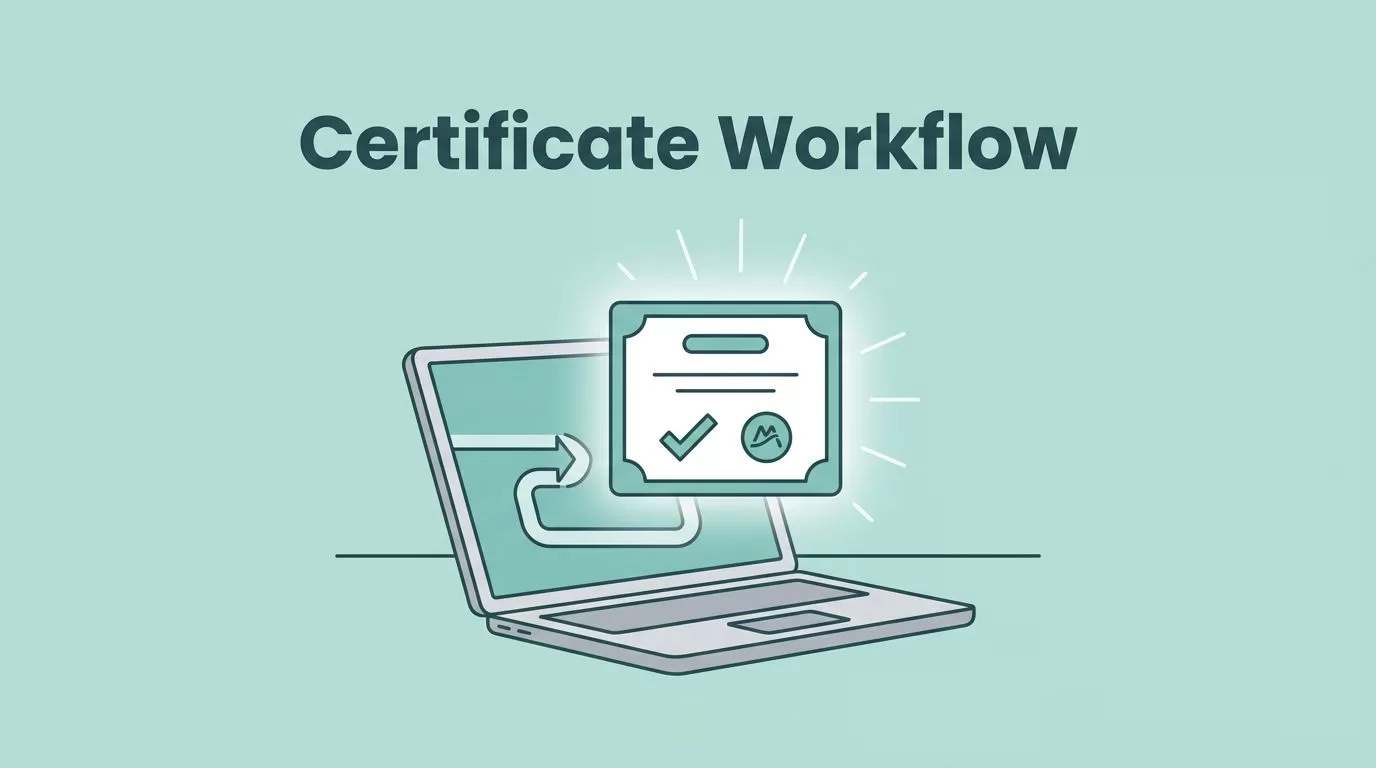
Certificates give a course a finish line. Without one, students can drift off after the last lesson and never feel the win.
When I work with MemberSpace, I treat MemberSpace certificates as a workflow, not a built-in button. Because MemberSpace is a popular choice for those building an online course software experience on a Squarespace website, it provides a stable foundation for the process. MemberSpace handles access and protection well, while the certificate itself usually lives in a page, PDF, email, or connected tool.
I keep the setup simple on purpose. The fewer moving parts I give the student, the more likely they are to finish and collect the certificate.
Key Takeaways
- Treat MemberSpace certificates as a designed workflow rather than a built-in feature, using the platform primarily as a gatekeeper for your course content.
- Define a clear, concrete completion rule—such as a final quiz, form, or specific module—to trigger the delivery of your certificate.
- Keep delivery methods simple and consistent by choosing between membership-protected pages, manual email sends, or automated email triggers based on your course scale.
- Prioritize the student experience by ensuring the path to the certificate is intuitive, mobile-friendly, and clearly communicated from the start of the course.
What MemberSpace does, and what it doesn’t
MemberSpace is a powerful membership site software that excels at managing member access, protected pages, and gating your valuable digital products. It is the perfect tool for securing a content library, but it is not where I expect to design, track, and issue certificates on its own. I use MemberSpace as the gatekeeper, then I build the certificate layer around it.
That distinction matters. If I want a student to reach a certificate after a course ends, I first decide what finished means. Is it the last lesson viewed, a quiz passed, a form submitted, or a manual review? If I skip that decision, the certificate process turns messy fast.
When I need a platform with deeper built-in course controls, I compare Skool and Thinkific for course control. I do that because certificate needs change the stack, and I want the course platform to match the way I teach.
I plan the finish line before I publish lesson one.
My completion workflow inside a MemberSpace course
I keep the process plain and repeatable. It looks like this in practice.
- I define the completion rule first. I do not treat watched enough lessons as a real rule. I pick one clear finish line, such as a final quiz, a short form, or the last module in a sequence.
- I build the certificate file outside MemberSpace. I usually design it in Canva or another design tool. I include the course name, member name, completion date, and my business name. If I want a cleaner look, I keep the layout simple and leave plenty of white space.
- I decide how the certificate gets delivered. I can send it by email, place it on a protected page, or share a link after completion. I do not try to make the student guess where it is.
- I connect the trigger to the delivery step. If a quiz is the proof of completion, I use the quiz result. If a form is the proof, I use the submission. If I want manual member approval, I review the student list and send certificates in batches to ensure everything is verified before distribution.
- I test the whole path before launch. I complete the course as a test member, then I check the certificate on mobile and desktop. If the certificate opens in the wrong place or the name field breaks, I fix it before a real student sees it.
That workflow keeps the process honest. The certificate arrives only after the work is done, and that makes the finish line feel real. Keep in mind that while MemberSpace handles the access and protection of your course content, you will need to rely on separate quiz and certificate tools to manage the actual design and automation of your documents.
The certificate delivery methods that work best
I do not use the same delivery method for every course. A solo course with ten students and a large membership program need different handling.
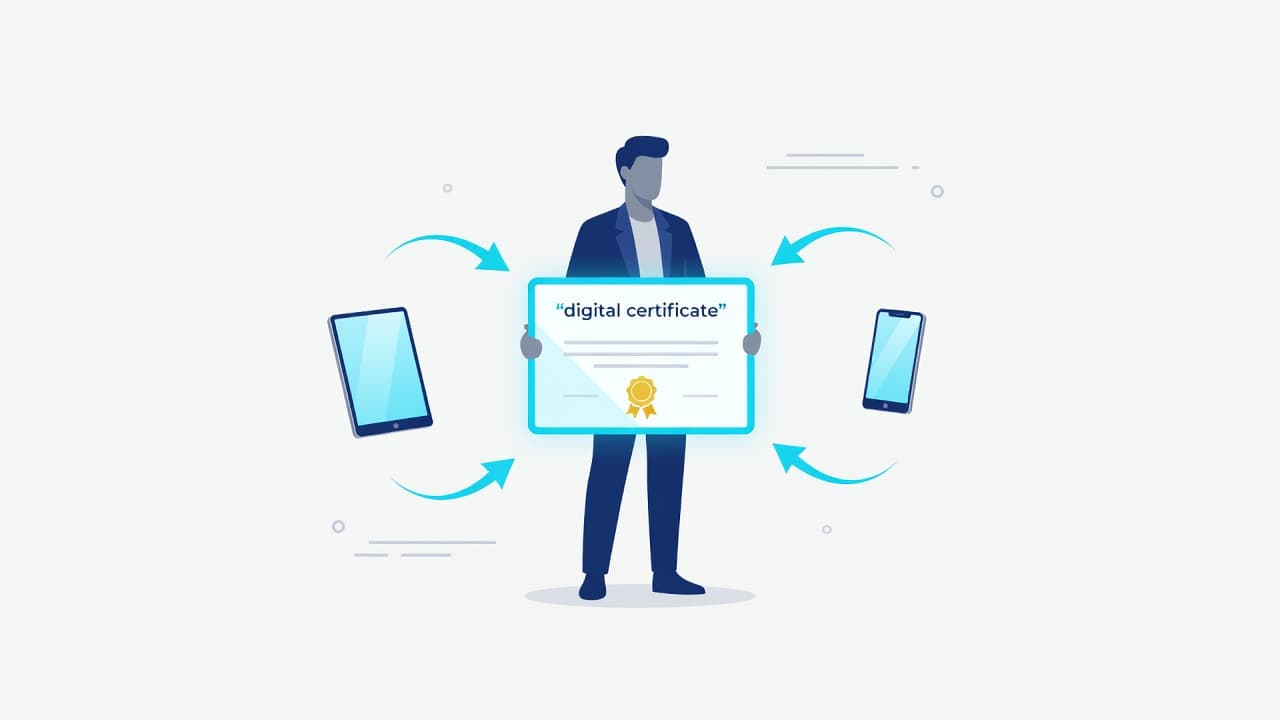
I choose the method based on scale, support load, and how polished I want the experience to feel.
| Delivery method | Best for | Setup effort | My take |
|---|---|---|---|
| Membership-protected content | Courses where students should return later to download it | Low | Easy to manage inside a MemberSpace site |
| Manual email delivery | Small cohorts and high-touch programs | Low | Good when I want to review names before sending |
| Automated email after a form or quiz | Larger launches and repeatable courses | Medium | The best balance of speed and control |
Membership-protected content works well when I want a single clean destination. The student finishes the course, then visits a private page for the certificate. I manage these pages through the MemberSpace dashboard, which is also where I set up a dedicated resource library for students to easily find their files and download buttons. I like this approach when the certificate also includes a welcome note or next-step instructions.
Manual email gives me the most control. If I am running a small premium course, I can verify the spelling of each name and add a personal note. That takes more time, but it feels thoughtful.
Automated email is the best fit when I expect volume. I let the completion signal fire, then the student gets the certificate link without waiting on me. If I already have a form tool, quiz tool, or automation app in my stack, this path saves a lot of admin time.
For a broader look at how course platforms shape the certificate experience, I also like Owwlish’s course platform comparison. It helps me see when a course-first platform makes more sense than a membership-first one.
Setup details I never skip
Small mistakes cause most certificate problems. I keep an eye on a few details every time I build out a course.
- I use the member’s full name exactly as it appears in the account. A certificate looks sloppy when it says “undefined” or pulls the wrong field.
- I keep the file name simple. “Course-Completion-Certificate.pdf” is easy to find later, whereas random export names are a constant headache.
- I make the certificate readable on a phone. Many students open their files from email first, rather than from a laptop.
- I store the source file somewhere safe. If I need to update the logo, date format, or custom content layout later, I want one reliable master version.
- I make the completion rule visible inside the course. Students should know exactly what they need to do before they reach the end.
- I set up automated lesson alerts to notify students the moment they are eligible for a certificate, ensuring they don’t miss out on their hard-earned recognition.
- I double-check my drip access schedules to ensure the certificate page opens at the exact right time, preventing any premature access to the final materials.
These details sound small, but they save significant time later. They also keep support requests down, which matters if the course runs every month.
Mistakes that make certificate delivery messy
I have made enough course setups to know where the pain starts.
The biggest mistake is waiting to decide the certificate path until after the course launches. That usually leads to patchwork fixes. If your sales page does not clearly outline the certificate requirements from the start, you will struggle to set expectations for your students. Failing to plan early often means one course uses email, another uses a hidden page, and a third uses manual sends, making the student experience feel inconsistent.
Another problem is hiding the certificate behind too many steps. Your membership-protected content should be easy to navigate so the finish line remains visible. If a member has to open three pages, log in twice, and search a dashboard, the process becomes a scavenger hunt. I want the certificate to feel like the final page of a book, not a frustrating hurdle.
I also avoid vague completion rules. Finish the course sounds nice, but it does not tell me when to trigger the certificate. A quiz score, a form submission, or a final lesson checklist gives me something concrete to work with.
Finally, I never skip testing the delivery email. A broken link, a bad PDF permission, or a blocked attachment can turn a clean finish into a support ticket.
When I connect MemberSpace to another tool
If I want MemberSpace to handle access while another tool handles certificate logic, I connect the two. That works well when the course needs a quiz, a form, or a more automatic delivery chain.
For example, I might let a quiz tool confirm completion, then use an automation app to send the certificate link. I might also keep the certificate page protected in MemberSpace and send members there only after approval. That keeps the course private while still giving students a clear path to the file.
When the certificate needs to live inside a larger membership business, I compare the course setup with how I launch a Skool membership site. Whether I am managing a private community or different membership tiers, the way I structure the business dictates the delivery method. For instance, if I offer recurring payment plans or free trials, I might customize the certificate experience based on the student account type. These tools help me create courses with professional outcomes, and a personalized membership ensures that the student journey feels intentional from start to finish.
I also use this moment to decide whether MemberSpace is the right home for the course. If I need deeper certificate logic built into the platform itself, I might choose a course tool with more native control. If I want clean membership access and I am happy to attach the certificate workflow around it, MemberSpace stays a strong fit.
Frequently Asked Questions
Does MemberSpace have a native certificate feature?
MemberSpace does not have a built-in tool specifically designed to generate or issue course certificates. Instead, it functions as the secure gatekeeper that protects your course pages, allowing you to build an external workflow to deliver certificates via email or private member-only pages.
What is the best way to trigger a certificate delivery?
The most effective triggers are those that leave no room for ambiguity, such as a final quiz score, a completed form submission, or the marking of a final lesson as complete. Using these clear, actionable triggers ensures that students only receive their documentation once they have officially met your course requirements.
How should I design my certificates for the best student experience?
Design your certificates in a tool like Canva using a clean, professional layout that includes the course name, member name, and business information. Always ensure the final file is saved in a standard format like PDF and verify that the layout remains legible on both desktop and mobile devices before launching.
Final thoughts
I do not wait for MemberSpace to hand me a built-in feature that it does not provide. Instead, I build a simple path around it using one clear completion rule and one reliable delivery method. When you create courses, your focus should always be on the student experience. By mastering how I issue MemberSpace certificates, I ensure the finish line is the most rewarding part of the entire membership program.
That approach keeps the course tidy and the student journey clear. It also makes the certificate feel earned, which is the whole point of the process. If I can make the finish line easy to see, I can make the win easy for my students to claim.
