How I Predict SaaS Cash Flow with Baremetrics
Cash flow in SaaS hits you like a surprise wave. One month, revenue surges from new signups. The next, churn and failed payments drain the bank account. I’ve felt that sting as a founder. You build products people love, yet bills arri...

Cash flow in SaaS hits you like a surprise wave. One month, revenue surges from new signups. The next, churn and failed payments drain the bank account. I’ve felt that sting as a founder.
You build products people love, yet bills arrive on time every time. Predictability matters because it lets you hire, invest, or sleep at night. Baremetrics turns chaotic subscription data into clear patterns.
I’ll show you how I use it to track SaaS cash flow steadily. We start with the metrics that matter most.
Metrics That Shape Your SaaS Cash Flow
Recurring revenue forms the backbone of SaaS businesses. Monthly recurring revenue, or MRR, counts active subscriptions’ value each month. It predicts inflows better than one-off sales.
Churn disrupts that flow. Customers cancel, and MRR drops. Revenue churn measures lost dollars; logo churn counts lost accounts. Both erode cash if unchecked.
Failed payments add hidden leaks. Cards expire or banks decline charges. These create involuntary churn, where customers want to stay but can’t pay.
Recoveries flip that script. Retries and reminders bring back 40% to 60% of failed revenue on average. I watch these closely because they stabilize cash without new sales.
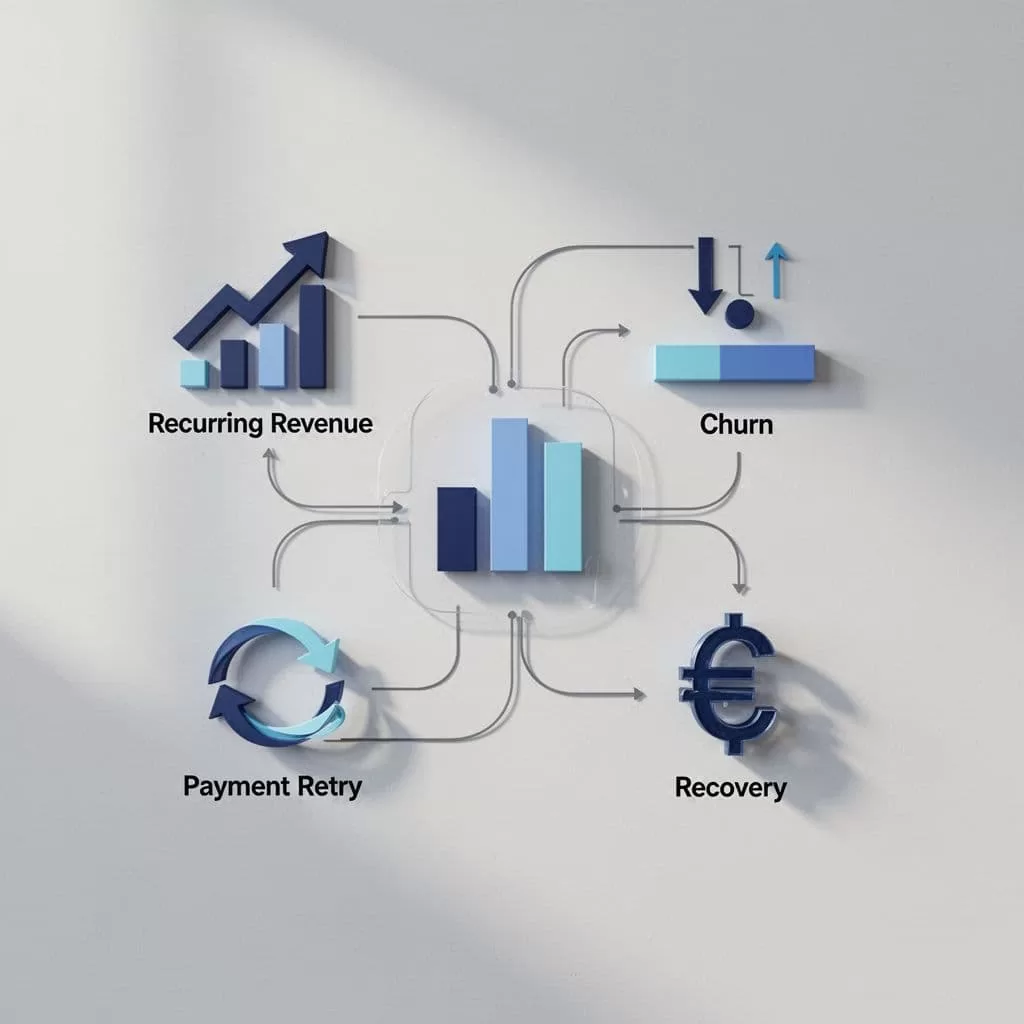
Forecasting ties it together. Past MRR trends plus churn rates project future cash. Baremetrics pulls from Stripe or other processors to compute these automatically.
For example, suppose your MRR hits $50,000. Churn at 5% means $2,500 lost monthly. Recoveries add back $500. Net cash flow shrinks unless expansions offset it.
Benchmarks help too. Compare your churn to peers. If yours runs high, dig into cohorts by signup date or plan.
I segment data by customer type. Enterprise users churn less but expand more. That balance keeps cash predictable.
Spotting Cash Flow Patterns in Dashboards
Baremetrics dashboards pull live data into one view. I connect Stripe once, and metrics update in real time. No more manual spreadsheets.
MRR breakdowns show new revenue, expansions, contractions, and churn. At a glance, I see if growth holds or falters.
ARPU, or average revenue per user, reveals pricing power. Rising ARPU means upgrades work. Falling signals downgrades.
Cash flow suffers from surprises. Smart alerts notify me of big drops, like sudden churn spikes.

Customer profiles add depth. Each shows payment history, usage, and notes. I spot at-risk accounts early.
For deeper dives, I build custom Baremetrics dashboard views for finance or growth teams. Executive summaries focus on MRR and forecasts. Finance gets failed charges and recoveries.
This setup caught a $3,000 leak for me last quarter. Failed payments piled up because emails went to spam. Dashboards made it obvious.
Reports export to Slack or email. Weekly summaries keep teams aligned without meetings.
Forecasting SaaS Cash Flow Step by Step
Predictions beat reactions. Baremetrics Forecast+ uses 6 to 12 months of data for accurate projections.
It factors trends, seasons, and growth rates. Summer slumps in B2B SaaS? The model accounts for it.
I run scenarios. Base case assumes steady churn. Worst case doubles it. Aggressive growth adds expansions.
Link to QuickBooks or Xero for actuals versus forecasts. Cash flow statements emerge with one click.
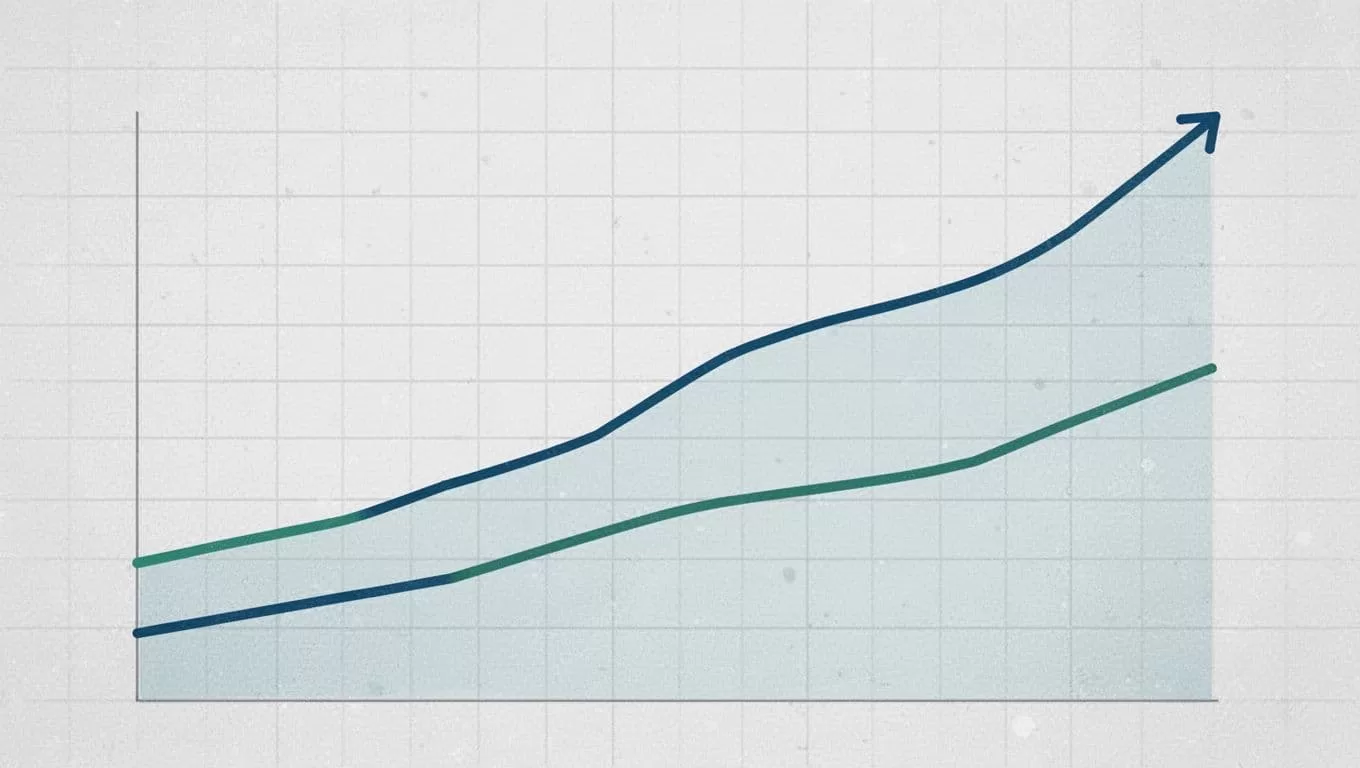
Here’s how I do it. Pull MRR history. Adjust for known events, like a pricing change. Review the output.
For my tool, forecasts showed a cash dip in Q3 from seasonal churn. I front-loaded expansions. Cash stayed positive.
Check Baremetrics forecasting features for end-to-end setups. They integrate accounting seamlessly.
Accuracy improves with data volume. New SaaS? Start simple. Scale to cohorts as subscribers grow.
Meanwhile, track net revenue retention. Above 100% means expansions beat churn. Below signals trouble.
Recovering Revenue from Failed Payments
Failed payments steal 5% to 15% of MRR monthly. Cards fail silently, turning active customers into ghosts.
Baremetrics Recover automates fixes. Pre-dunning emails warn 30 days before expiry. Failures trigger retries at 24 hours, day 3, and day 7.
Custom emails and SMS nudge gently. In-app paywalls prompt updates. Analytics track recovery rates.
On average, it recaptures 40% to 60%. For $10,000 MRR, that’s $400 to $600 saved monthly.
I enable it via Stripe integration. No extra setup beyond toggling on.
One client recovered $2,200 in a month. Dashboard showed open rates and reasons, like expired cards.
Learn more in Baremetrics Recover details. Pair with soft retries to avoid annoyance.
This boosts cash predictability. Recoveries fill gaps between true churn events.
Cutting Churn to Stabilize Cash Flow
Voluntary churn stems from product fits or billing gripes. Cancellation Insights surveys leavers for reasons.
Cohort analysis groups by signup month. Early cohorts retain better? Onboarding works.
Benchmarks compare your rates. If revenue churn tops 4% annually, act fast.
I segment by plan or location. High-value users need retention focus.
Expansion MRR offsets churn. Upgrades add dollars without acquisition costs.
Track net revenue retention in Baremetrics monthly. Aim above 110% for growth.
Customer Insights flags risks via payment patterns. Low activity plus failed charge? Reach out.
Reducing churn by 1% doubles valuation over time. Cash flows smoother as a result.
Pricing and Setup for Quick Wins
Baremetrics starts at $75 monthly for Launch plan. Suits solos up to $360K ARR.
Growth at $255 adds dashboards and benchmarks. Free 14-day trial tests it.
Connect Stripe. Data backfills. Dashboards appear instantly.
For MRR accuracy, follow Baremetrics MRR guide. It separates fails from true losses.
Costs pay back fast. Recover alone covers fees for most.
Conclusion
SaaS cash flow thrives on visibility. MRR inflows balance churn and failures when tracked right.
Baremetrics gives me dashboards, forecasts, and Recover tools. Cash stays predictable.
Your next step? Connect it to Stripe and review MRR breakdowns. Patterns emerge fast.
Steady cash lets you build without fear. I’ve seen it transform operations.
(Word count: 1492)
