How I Boost Trial to Paid Conversions with Baremetrics
Your free trials bring in users, but most vanish before they pay. I know that frustration. As a SaaS founder, I’ve watched promising signups drop off, leaving revenue on the table. Trial to paid conversion rates average 15-25% for mos...
Your free trials bring in users, but most vanish before they pay. I know that frustration. As a SaaS founder, I’ve watched promising signups drop off, leaving revenue on the table.
Trial to paid conversion rates average 15-25% for most SaaS companies right now. Top performers hit 35% or more. Baremetrics changed that for me. It spots leaks in the funnel and guides fixes.
I’ll share how I use its tools to diagnose issues, track the right data, and run tests that stick. You can lift your numbers too.
Spotting Trial-to-Paid Conversion Bottlenecks
Trials feel smooth until you look closer. Users sign up fast, poke around, then ghost. Baremetrics reveals where they bail.
I start with its Trial Insights dashboard. It shows a 30-day rolling average for conversions: converted trials divided by new trials, times 100. If mine dips below 20%, I dig in.
New trials measure top-of-funnel flow. Active trials track pipeline size. Trial value estimates revenue potential. Average trial length flags if users engage enough.
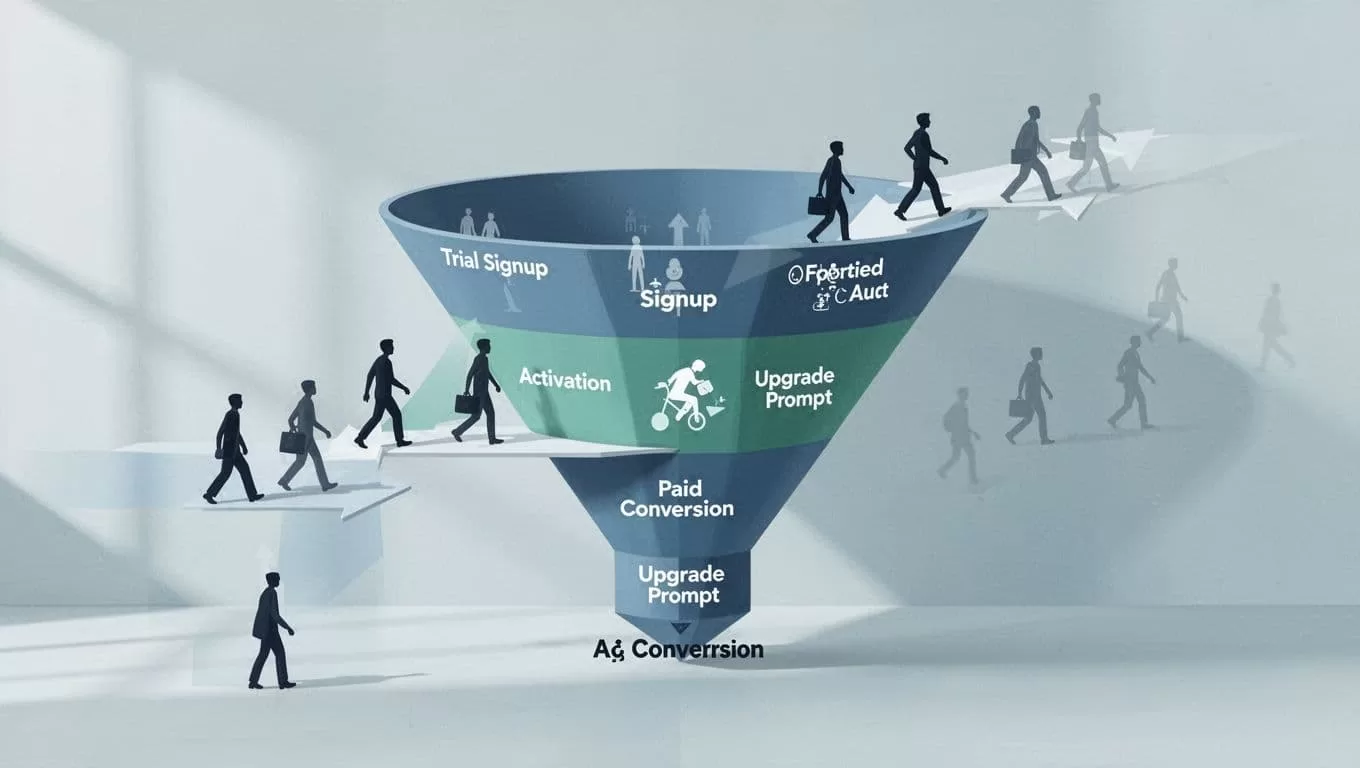
Low active trials mean quick drop-offs. Maybe onboarding confuses them. Short trials with high value suggest hesitation at upgrade. I group trials by potential lifetime value to prioritize sales outreach.
Benchmarks help too. Baremetrics data shows credit-card-required trials convert at 30-60%, versus 8-25% for no-card opt-ins. Freemium lags at 2-5%. If your setup matches a low performer, tweak it.
One fix I tried: shorten trials to seven days. They convert 1.7 times better than 30-day ones because urgency kicks in. Users hit the “aha” moment faster, that spark where value clicks.
Track activation rates. Only 34% of trial users reach it, but those who do convert at 48%. Companies nailing this average 31%. Baremetrics lets me monitor behavior early.
Essential Metrics to Track in Baremetrics
Metrics clutter dashboards, but I focus on five that drive action. Baremetrics pulls them from Stripe or your billing system cleanly.
First, conversion rate. The core number. I watch the 30-day average daily. Spikes or dips signal onboarding wins or pricing friction.
Second, trial value. It multiplies average revenue per user by conversion odds. High value with low conversions? Users see worth but won’t commit. Time for better upgrade prompts.
Third, new versus active trials. New trials gauge marketing pull. Active ones show engagement. If new trials flood in but actives stall, activation fails.

Fourth, average trial length. Short ones mean quick no’s. Long ones drag decisions. I aim for balance where most end near the aha moment.
Fifth, failed payment rates post-trial. Even converts fail if cards expire. Baremetrics flags these for dunning sequences.
Set alerts for drops. I get emails when conversions slip 5%. Then I check cohorts. For deeper setup on these, I follow my Baremetrics dashboard guide for MRR, churn, and retention.
KPIs tie to revenue. A 10% lift in conversions adds thousands to MRR fast. Track weekly, not monthly, because trials move quick.
Running Experiments to Lift Conversions
Data points to problems. Experiments prove fixes. I test one change at a time in Baremetrics.
Start with onboarding. Behavior-triggered emails beat blasts. They lift conversions to 23% from 12%. I segment users who skip core features and send tailored tips.
Example: Users ignoring the key workflow get a nudge on day two. “Saw you haven’t tried X yet. Here’s why it saves hours.” Conversion jumped 15% in that cohort.
Upgrade prompts work next. Time them for peak engagement, like post-aha. Contextual ones, inside the app, convert better than pop-ups.

Require cards upfront. It cuts signups but boosts serious users. My rate rose from 18% to 32%. Baremetrics tracks this split easily.
For enterprise, add sales touch. Outreach on high-value trials hits 31%. I pull lists from Trial Insights groupings: “ending soon” or “high CLTV.”
Test pricing too. A/B plans in trials. Baremetrics’ pricing metrics analysis helps read MRR impact from upgrades.
Run for two weeks minimum. Use Baremetrics notes to tag experiments. Compare cohorts side-by-side. Winning tests scale across all traffic.
Using Cohorts and Segments for Deeper Insights
Averages hide truths. Cohorts reveal patterns by signup date or source. Segments slice by plan, country, or channel.
I group trial cohorts weekly. Compare conversion curves. If week three converts 40% but week five lags, diagnose marketing shift.
Baremetrics segments shine here. Filter by acquisition source. Paid ads might convert 25%, organic 15%. Double down on winners.
Country matters. US trials often convert higher due to pricing fit. Segments flag this for localized nudges.
For my trial conversion rate tracking in Baremetrics, I add customer type: SMB versus enterprise. SMBs convert faster but churn more.
High-value segments get personal follow-up. Baremetrics groups them automatically. Sales closes 25% extra.
Track activation cohorts. Users hitting aha in 72 hours convert five times better. If a channel delays this, fix the entry path.
This granularity turns guesswork to precision. Revenue teams own segments. Monthly reviews assign actions.
Common Mistakes and How to Avoid Them
Chasing vanity metrics kills progress. Total signups look good until conversions tank. Focus on quality trials.
Ignoring drop-offs early. Most churn before day three. Baremetrics Trial Insights alerts prevent this. Act before trials end.
Overlooking segments. One-size-fits-all fails. Always slice data. A channel killing conversions hides in averages.
No experiments. Data sits unused. Test ruthlessly. Baremetrics notes track what moves the needle.
For subscription reporting to boost rates, check Baremetrics’ guide on free trial conversion. Their Trial Insights page details groupings.
Poor data hygiene. Dirty billing skews everything. Clean plans, coupons, and trials first.
Sales skips low-value trials. Wrong. Even small ones build habits. Prioritize with data.
Conclusion
Baremetrics turns trial chaos into clear paths to paid users. I spot bottlenecks with Trial Insights, track core metrics, slice cohorts, and test fixes that stick.
Rates climb from 18% to 35% when you act on the data. Users convert because you guide them to value fast.
Your next step waits in the dashboard. Connect it today and watch revenue build.
