Payment problems rarely wait for a convenient moment. One failed charge can sit unnoticed long enough to create churn, extra support work, and awkward internal follow-ups.
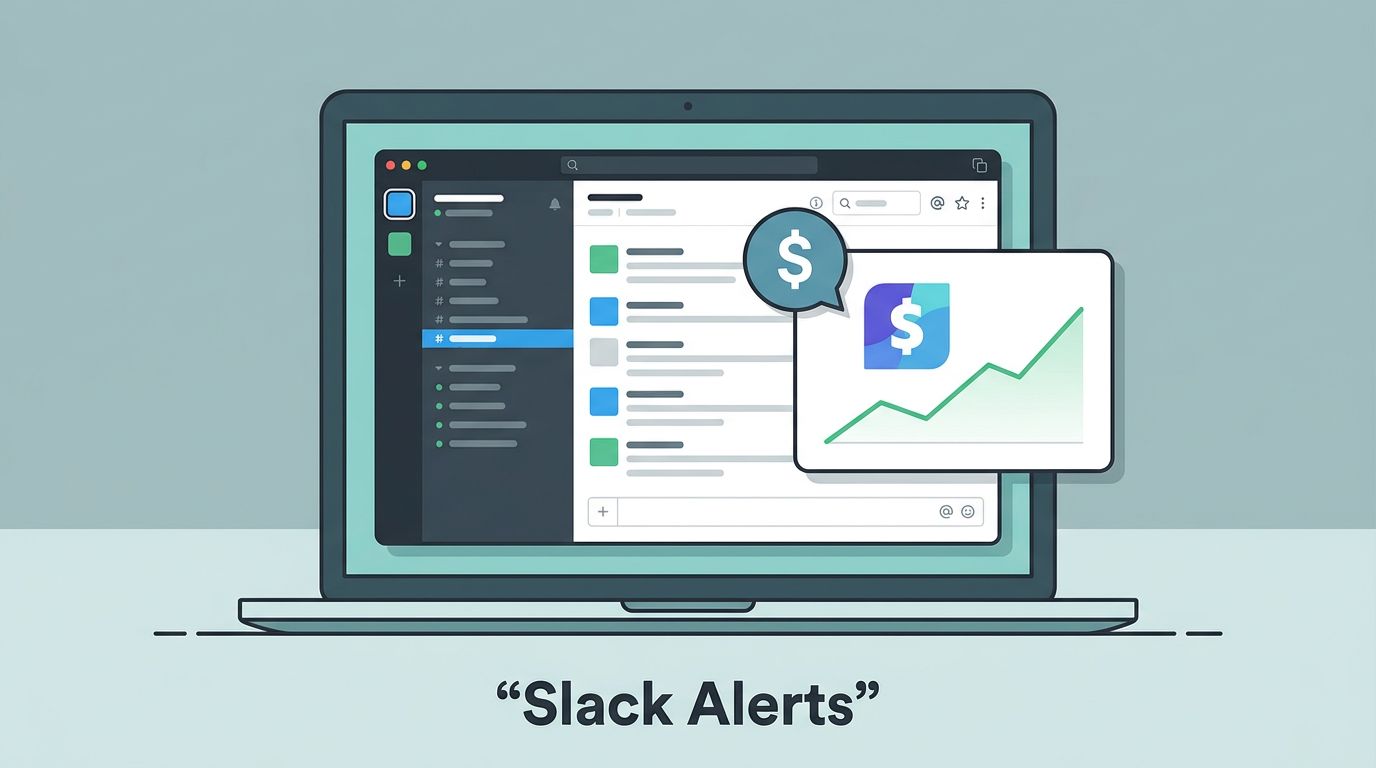
I use Baremetrics Slack alerts to bring payment events into one place I already watch. That keeps finance, product, and revenue teams close to the action while the details are still fresh. The setup is simple once the payment source and Slack channel are in place.
Connect the payment source before anything else
Before I touch Slack, I make sure Baremetrics is reading the right billing data. Baremetrics needs a clean connection to Stripe or another supported processor, and the payment source setup guide is the fastest way to check that first step.
If I’m using Stripe, I also keep my Baremetrics Stripe integration guide open so I can match the setup to my own account structure. The goal is simple, no alerts without reliable data behind them.
On a real setup, I confirm that subscriptions, payments, refunds, and failed charges are all flowing in. If the feed is incomplete, Slack alerts will be incomplete too. I’d rather catch that before anyone expects automation to save the day.
Turn on Slack integration and pick the right channel
Once the data source is live, I open Baremetrics and look for Slack in the integrations area. The exact menu labels can shift, so I follow the current Slack integration guide instead of guessing.
From there, I connect Slack, approve the workspace, and choose a channel. I prefer a channel with a billing purpose, such as #revenue-ops or #finance-alerts, because it keeps payment messages out of daily chatter.

If the workspace is small, one channel is enough. If the team is larger, I split urgent billing issues from positive updates, so a recovery alert doesn’t get buried under sales discussion.
Choose the payment events that deserve a ping
Now I decide which events deserve a notification. I treat alert settings like a gate, because every extra ping adds noise.
| Event | Why I send it | Best channel |
|---|---|---|
| Failed payment | I can recover revenue fast | #revenue-ops or #billing |
| Recovered revenue | I can see retries pay off | #finance or #leadership |
| New subscription | I can track demand in real time | #growth or #sales |
| Cancellation | I can spot churn early | #revenue-ops |
I often add trial starts and refunds too, but only when my team has a clear reason to act on them. A channel full of low-value alerts starts to feel like background static.
If an alert doesn’t change what I do next, I move it into a report or leave it out.
That rule keeps Baremetrics Slack alerts sharp. I want them to point at action, not just attention.
Keep the alerts useful when volume grows
Noise kills good automation. I keep these alerts useful by separating action from awareness.
- I start with failed payments first, because they need the fastest response.
- I add recovered revenue and cancellations after the team knows the first alert flow.
- I route positive and negative events to different channels when traffic rises.
- I review alert volume every week and remove anything nobody uses.
I also like to match alerts to ownership. If finance owns failed payments, the message belongs where finance watches. If growth cares about new subscriptions, that alert should land with the people who can act on it.
Timing matters too. A flood of Slack messages trains people to ignore the channel. Fewer alerts with better meaning work much better than a noisy stream that nobody opens twice.
For teams that want a little extra context, Baremetrics also supports reports inside Slack. That helps when I want a quick read on revenue trends without turning an alert channel into a dashboard.
Conclusion
When payment data and Slack work together, I get a live feed instead of a monthly surprise. That matters most when a failed charge, cancellation, or recovery needs a fast response.
I’ve found that the best setup is small and focused. Clean data, one clear channel, and a short list of Baremetrics Slack alerts give me the signal I need without drowning the team in noise.