Optimize Blog Conversions Rapidly Using Mida.so
Most blogs leak potential readers before they ever convert into subscribers or customers. You drive traffic through search engines, social media, and paid campaigns, yet your reader counts rarely translate into active accounts. Bumping up c...
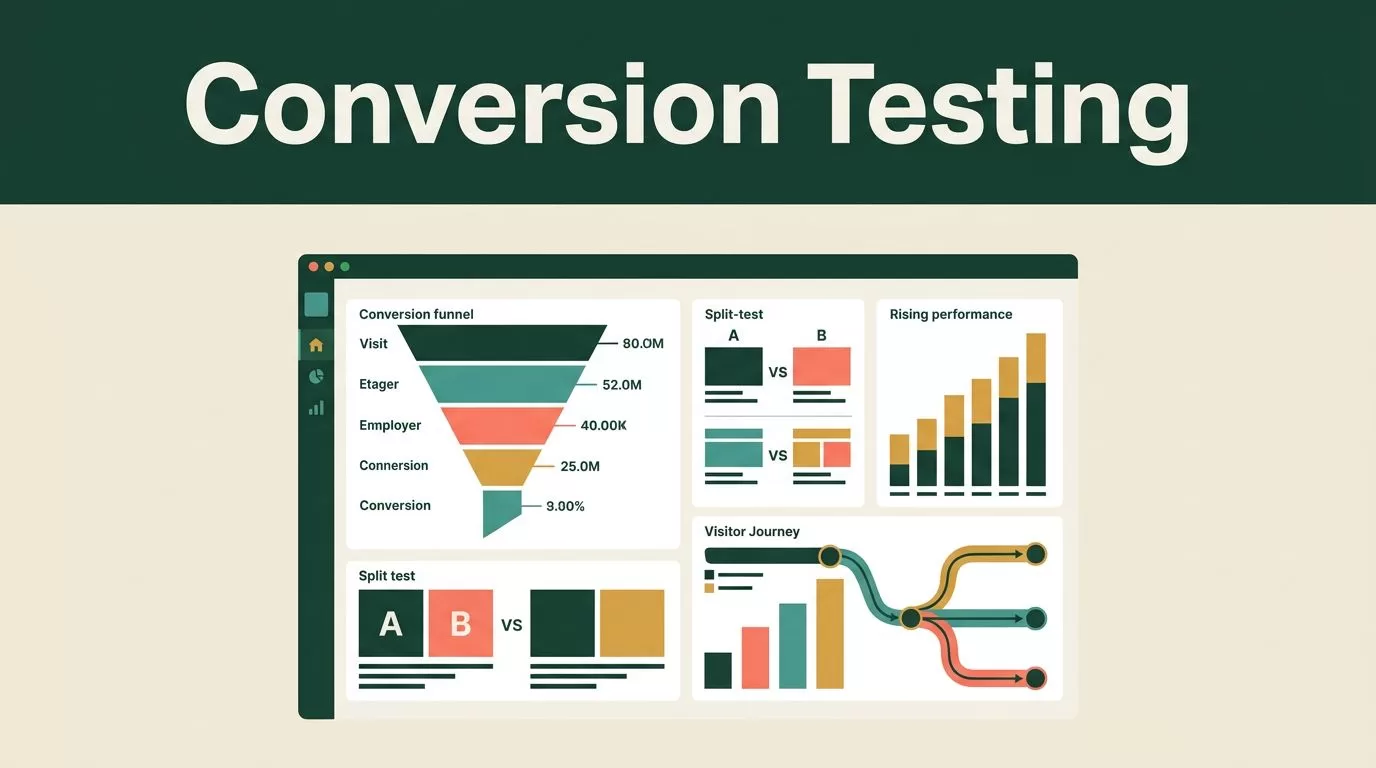
Most blogs leak potential readers before they ever convert into subscribers or customers. You drive traffic through search engines, social media, and paid campaigns, yet your reader counts rarely translate into active accounts. Bumping up conversions isn’t about guessing what color button works best today. It requires a systematic approach to user behavior, rigorous testing, and structured experimentation. Mida.so gives you the testing infrastructure you need, but tools only work when you pair them with a disciplined process.
Key Takeaways
- Establish baseline conversion rates and traffic stability before launching any new experiment on your pages.
- Formulate clear hypotheses based on user friction points rather than random design tweaks.
- Monitor segment performance across mobile devices and paid traffic sources instead of relying solely on aggregate totals.
- Define strict decision rules and statistical confidence thresholds before checking live test results to prevent false positives.
- Document every completed test outcome to build a reliable internal knowledge base for future campaigns.
Understanding the Core Mechanics of Blog Conversion Optimization
Blog conversion optimization is the systematic practice of increasing the percentage of readers who complete a specific, high-intent action on your content pages. Most digital teams face a frustrating paradox. You invest heavily in website performance tools to shave milliseconds off your load times, yet conversion rates stubbornly refuse to climb. Visitors arrive, read your articles, and leave without subscribing to your newsletter or requesting a demo. Speed is necessary for a functional site, but it is not a strategy for persuasion.

Pairing your performance stack with an experimentation platform bridges that gap. You turn raw speed metrics into active conversion growth by running precise tests that address real user behavior. For a deeper look at how leading platforms connect attribution data to forecasting, review top marketing attribution software solutions described in external analyses like this overview of marketing attribution software. Mida.so helps you connect visitor behavior, conversion data, and controlled experiments in one operating process without slowing down your pages.
Establishing Your Baseline Before Launching Experiments
You cannot improve what you refuse to measure. Before you touch a single line of code or draft a new headline, pull your current conversion metrics directly from your analytics suite. Industry research shows that performance varies wildly by traffic source, device type, and industry vertical. Mobile visitors rarely convert at the same rate as desktop users, and paid search traffic behaves differently than organic social clicks. Look past your blended average and inspect specific funnel steps. Calculate your drop-off rates from article views to form starts, and from form starts to completed signups.
When your baseline data is noisy or incomplete, your experiment analysis yields unreliable conclusions. Traffic allocation controls how visitors enter your test. A standard setup uses a fifty-fifty split, giving both experiences equal exposure. Keep your targeting rules precise. If your layout update specifically targets mobile visitors or paid search traffic, configure those audience parameters before launching. Altering targeting mid-stream creates a new test condition, corrupting your sample purity and forcing you to restart the measurement period.
Finding Conversion Friction on Content Pages
Your first job isn’t to create a variation. It’s to find the point where buyer intent drops. Start with your highest-value pages, such as your pillar blog posts, resource hubs, and gated download landing pages. Look for pages that receive qualified traffic but produce weak action rates. Use the behavior data available in your platform to compare users who convert with users who leave. Check scroll depth, call-to-action interaction, form abandonment, and the path users take before conversion. Pair those signals with sales call notes, support tickets, and customer interviews.
A low-converting page with little traffic is rarely your priority. Focus your testing bandwidth on high-traffic content where small percentage lifts compound into meaningful business outcomes.
Formulate your test using a direct structure. State the observed problem, the exact copy change you want to make, and the metric you expect to improve. If visitors reach your bottom-of-funnel posts but fail to subscribe, adding a clearer benefit-driven subhead above the form increases completed submissions. Keep each variation focused on a single change. If you rewrite the headline, swap the subhead, and redesign the button all at once, you won’t know which element caused the conversion shift.
Building and Executing Tests Without Harming Page Speed
Many optimization initiatives fail because heavy experimentation scripts slow down page loading times. Google data shows that a large percentage of mobile visitors abandon sites that take over three seconds to load, and each additional second of delay drops your conversion rate significantly. Protect your Core Web Vitals by auditing every script you inject for an experiment. Mida.so is engineered for lightweight performance, but your implementation strategy still matters. Keep your tracking scope limited to the specific pages and audiences that require testing. Treat Largest Contentful Paint and Cumulative Layout Shift as hard test guardrails.
| Metric Type | What It Measures | Potential Risk to Monitor |
|---|---|---|
| Mobile Traffic | Conversion rate on phones and tablets | Form usability issues and unexpected layout shifts |
| Paid Search | Cost per acquisition from ad campaigns | Lead quality and downstream sales value |
| Returning Visitors | Engagement depth on repeat navigation | Unintended friction for loyal readers |
If a high-converting variant introduces an annoying layout shift or delays your main hero image, reject the update. A modest conversion gain is never worth a slower mobile experience that frustrates your best prospects. You can explore the Mida Blog for technical guides on maintaining speed while running robust split tests.
Reading Test Results With Practical Business Context
A winning percentage on a dashboard doesn’t guarantee a profitable campaign rollout. You must evaluate raw conversion counts alongside percentage lifts to understand the real financial impact. A variant that increases conversion rate by a fraction of a percent on very low traffic won’t cover the cost of implementation. Look beyond the top-level aggregate numbers. Segment your performance data by device type and traffic channel. A variation that wins overall among organic visitors might fail completely for paid traffic arriving from mobile ad placements.
Establish strict decision rules before you inspect your active dashboards. Require a minimum sample size and statistical confidence before declaring a winner. Avoid repeated stopping, which means checking your dashboard every hour and stopping the test the moment a variant takes a temporary lead. Random traffic fluctuations can easily trick an eager team into deploying a losing variant. Treat early results as directional rather than final.
Tracking Downstream Business Metrics Beyond Clicks
Paid media dashboards often report vanity metrics that look great on agency spreadsheets while failing to reflect actual revenue growth. A shorter form or a flashy button easily spikes your click-through rate while attracting low-quality leads that never convert into paying customers. You need to connect your experimentation platform with your customer relationship management system and payment gateway.
Review absolute numbers alongside conversion rates. A small percentage difference based on a handful of transactions should never drive a site-wide redesign. Guardrail metrics protect your bottom line from shallow wins. Suppose a new product page increases signups while driving up user error rates or support tickets. By tracking downstream metrics alongside your primary conversion goal, you ensure that every successful experiment translates into durable business growth rather than temporary noise.
Conclusion
Optimizing your blog conversions requires more than random design tweaks and gut feelings. You achieve sustainable growth by establishing precise baselines, isolating real user friction points, and running structured experiments that protect your site speed. Mida.so provides the lightweight infrastructure needed to test variations quickly without sacrificing technical performance. Maintain strict decision rules, evaluate your results across key audience segments, and ground every change in reliable data. Start by auditing your top-traffic blog post today, define a clear testing hypothesis, and launch your first experiment with confidence.
