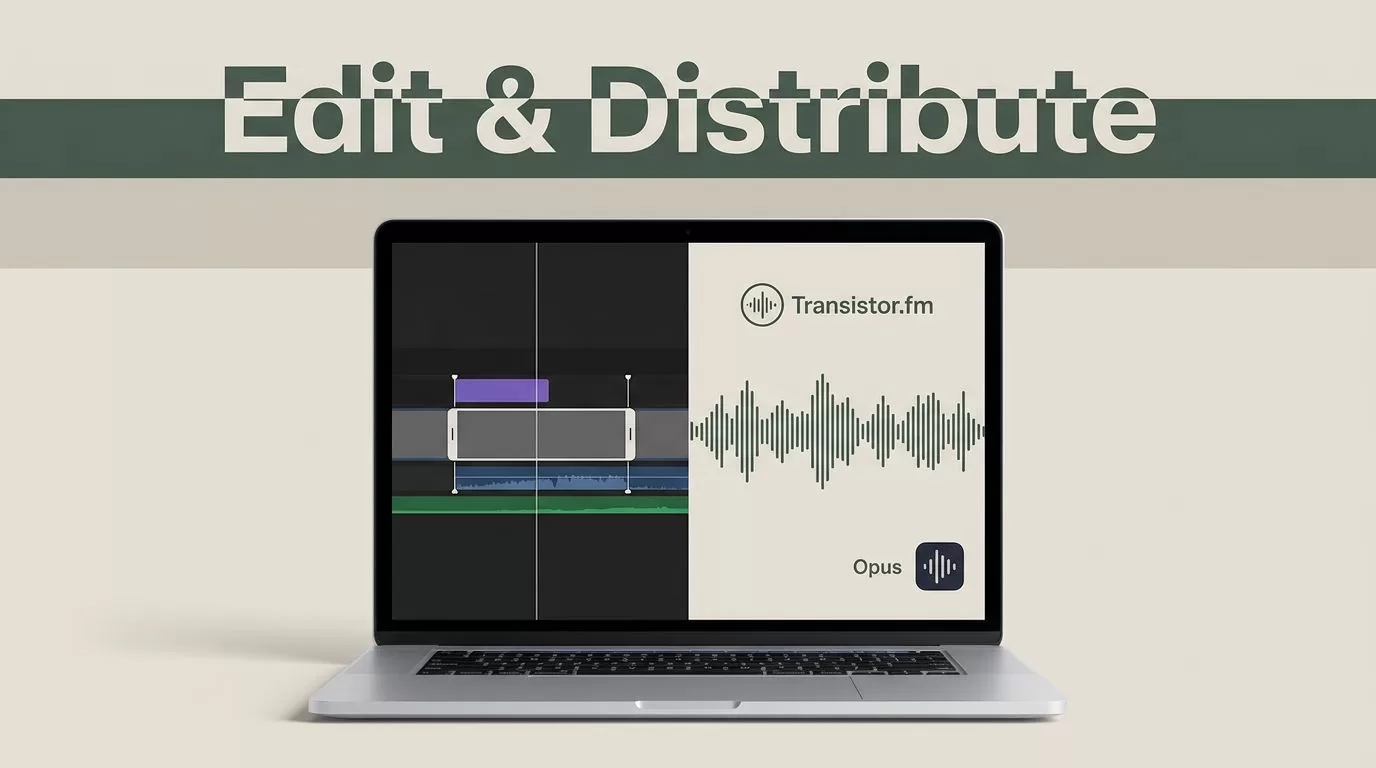

A free online video editor works until your workflow stops being a single edit. Then you need hosting, distribution, clip production, and a clean way to move episodes across platforms. That is where people mix up tools. Transistor.fm is podcast hosting and distribution. Opus is repurposing software that turns long-form video into short clips. The

A podcast clip can be clean, tight, and still get ignored. The problem is usually the opening line, not the edit. Opus can pull strong moments from Transistor.fm episodes fast, but the clip still needs a hook that earns the first second. You need words, visuals, and captions that point to the same payoff, and
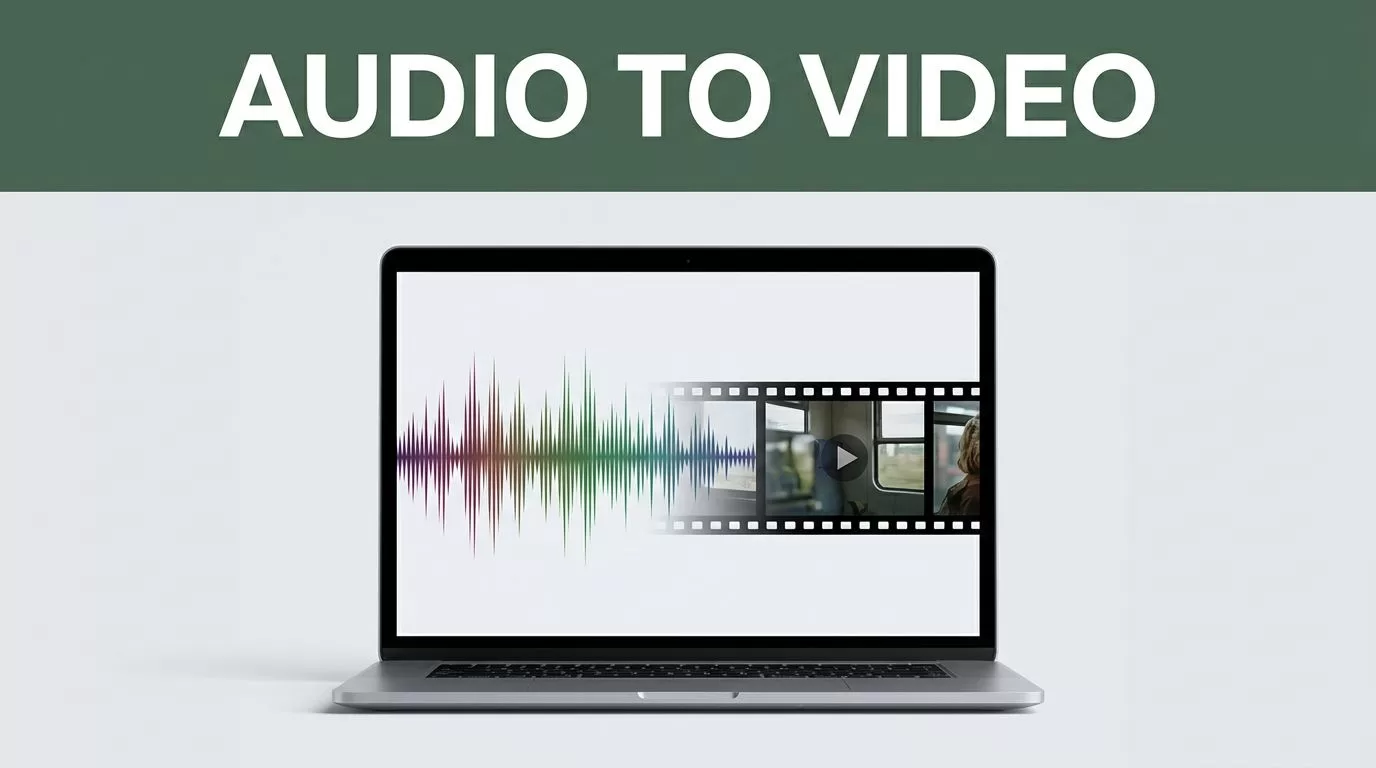
A podcast can be sharp, useful, and completely invisible if it stays audio-only. If you want reach, you need video assets too, and you need a repeatable way to make them without burning time every week. That is where an audio to video converter workflow matters. Transistor.fm handles hosting and distribution well, but Opus is

If you publish podcasts and still cut every short clip by hand, you are spending the same hour twice. A cleaner setup is simple. Transistor.fm holds the episode. Opus finds the best moments and turns them into TikTok-ready video. That workflow works best when you treat your podcast host as the source system and your

Instagram Reels automation gets useful when the handoff is clean. If you publish episodes in Transistor.fm and want Opus Clip to turn them into short vertical cuts, you need a bridge that moves the episode into the clip workflow without extra manual work. There is no native Transistor.fm to Opus connection today. That means the
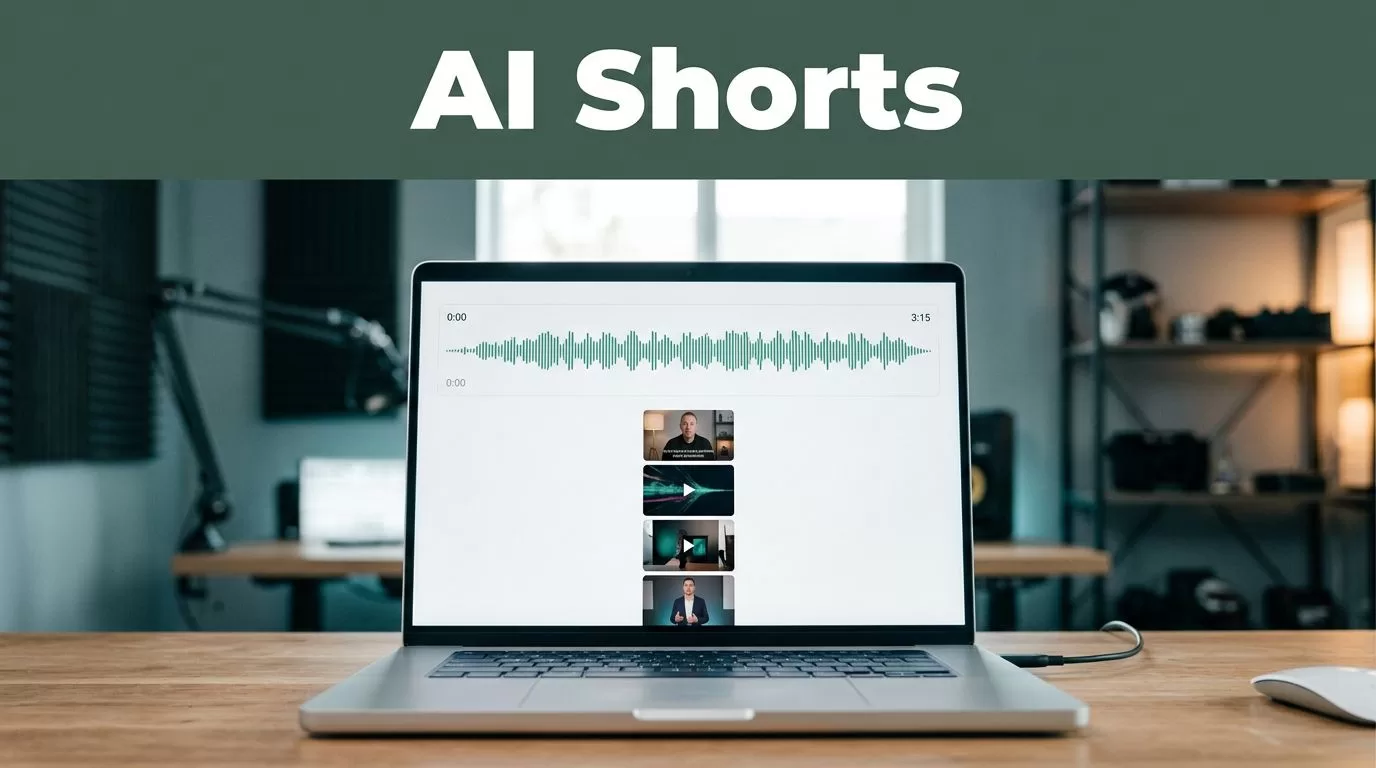
If your podcast ends with one long episode and no clips, you are leaving easy social content untouched. Transistor.fm Opus shorts gives you a clean way to fix that. Transistor.fm hosts the full show. Opus pulls out the moments worth posting and turns them into vertical video. The stack works best when you treat it
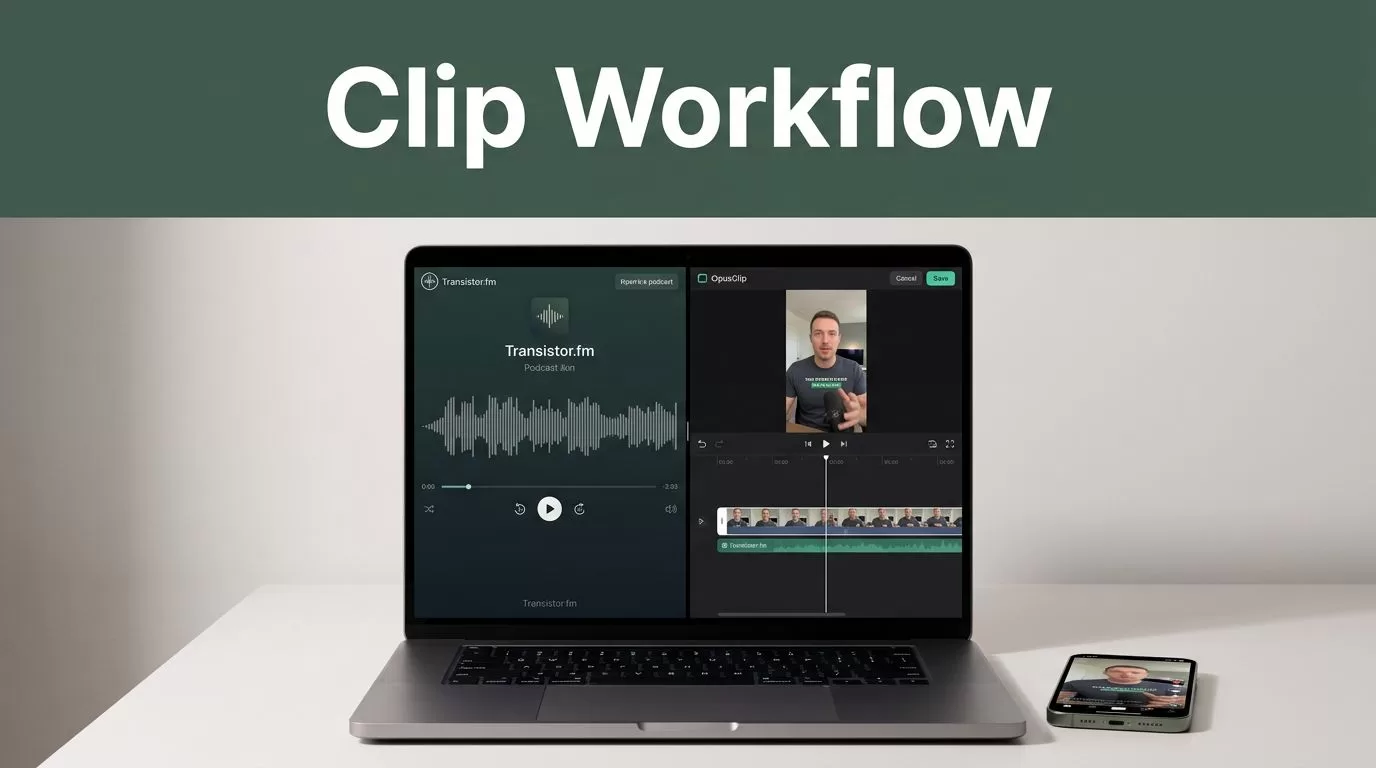
Podcast clips do not appear on their own. If you want short videos from a Transistor.fm episode, you need a clean handoff between the episode, the transcript, and OpusClip. That makes the Opus Transistor.fm workflow more manual than most people expect. Transistor.fm hosts the audio. OpusClip handles the video cut, captions, and vertical export. Set
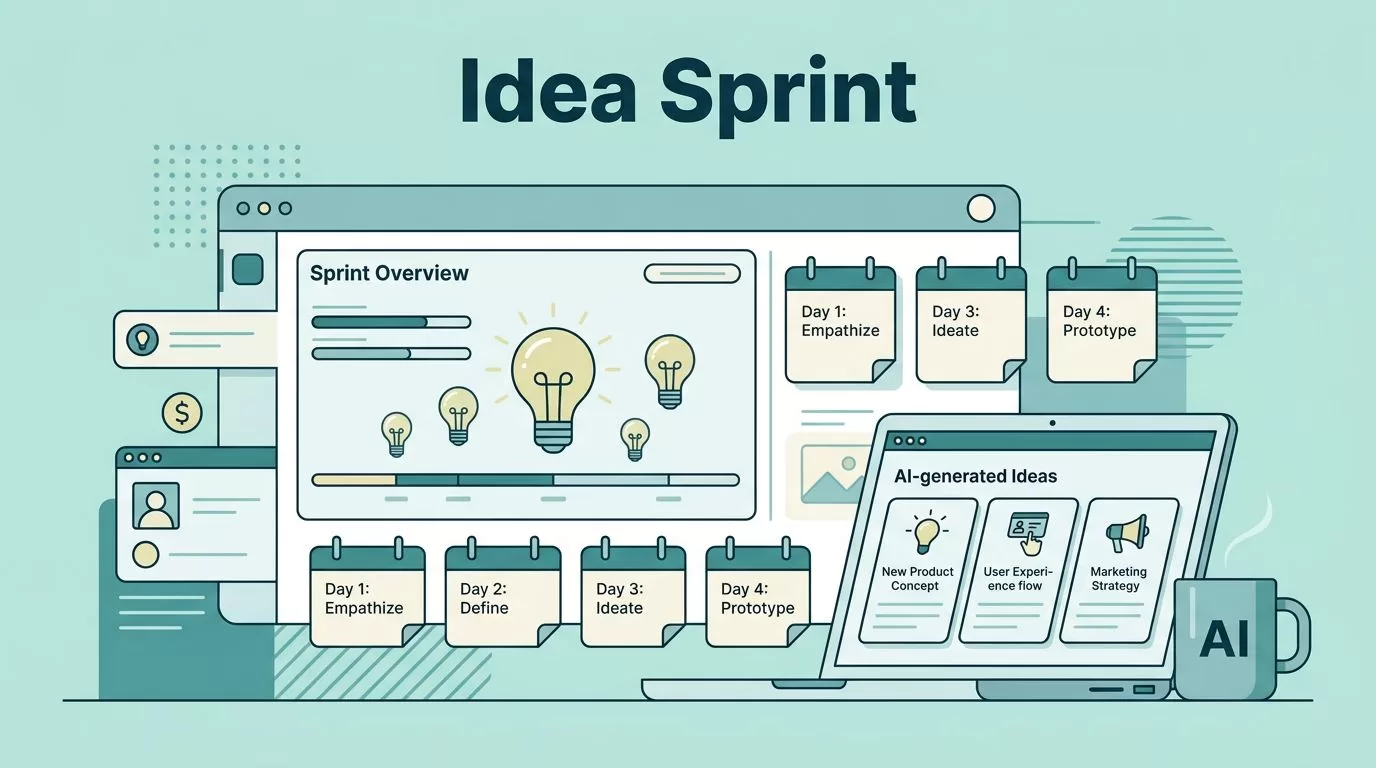
A blank content calendar can swallow an afternoon. Someli helps me turn that dead air into usable post ideas before the coffee cools. I use it as an AI post ideas generator, not a substitute for judgment. When I give it the right context, it gives me angles I can shape for marketers, creators, and

Twitter reach still feels unpredictable until I watch the pattern. A post that earns early replies can keep moving for hours, while a quiet post fades before it has a chance. I use Someli to keep my planning, timing, and follow-up in one workflow, so I spend less time guessing and more time posting with
