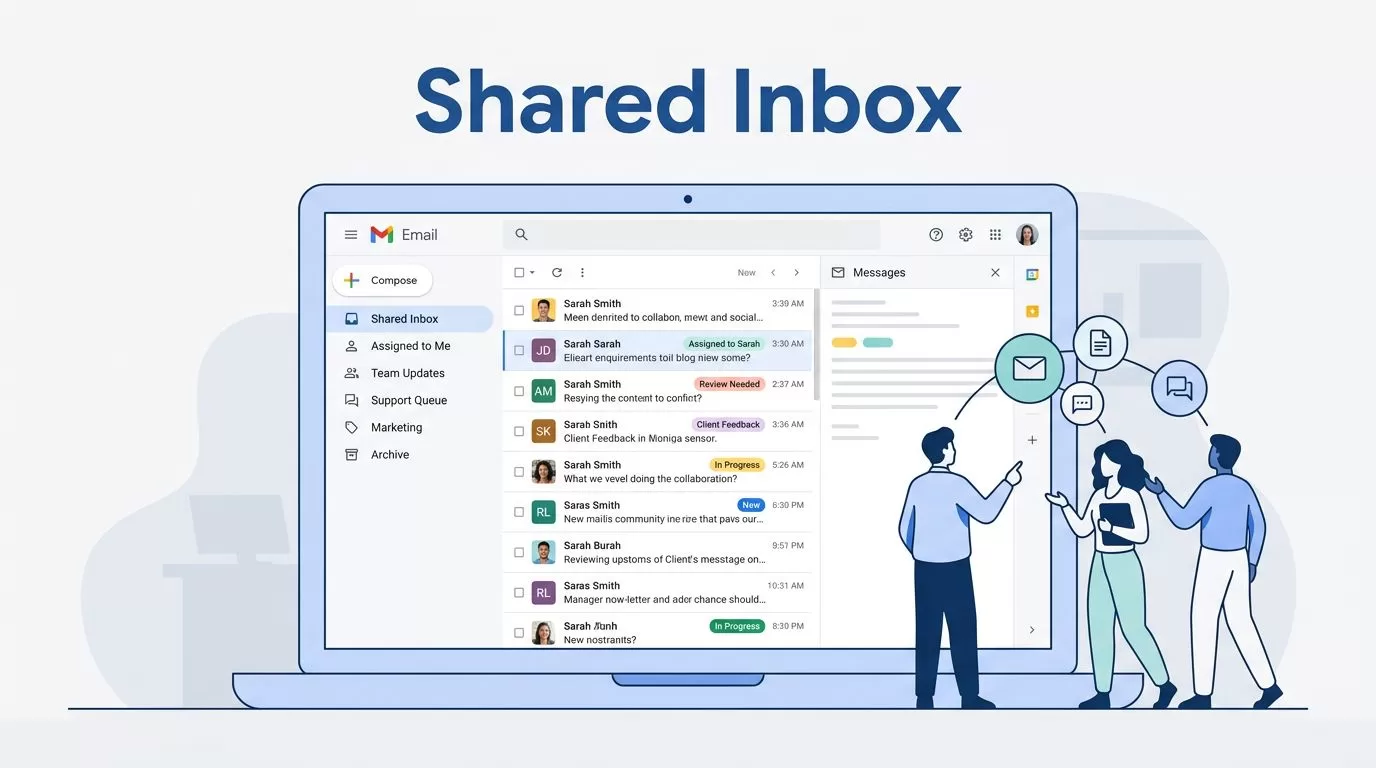

The best shared inbox is the one your team can use without debating it every morning. When I set up Google Workspace shared inbox access for a small team, I start with one question: do we need a real team queue, or do we just need a few people in the same mailbox? That answer

Setting up a new domain for business often hits a wall at the email stage. You have the domain, you have the workspace, but until you point your DNS records to Google, your inbox remains empty. Configuring your google workspace mx records correctly is the final handshake between your domain registrar and Google servers. Without

If you run a small team using Google Workspace, your email deliverability is a silent business asset. You work hard on your outreach, proposals, and customer updates, but if those emails land in spam folders, your effort disappears. Ensuring your messages reach the intended inbox starts with proper authentication. The most important step for 2026
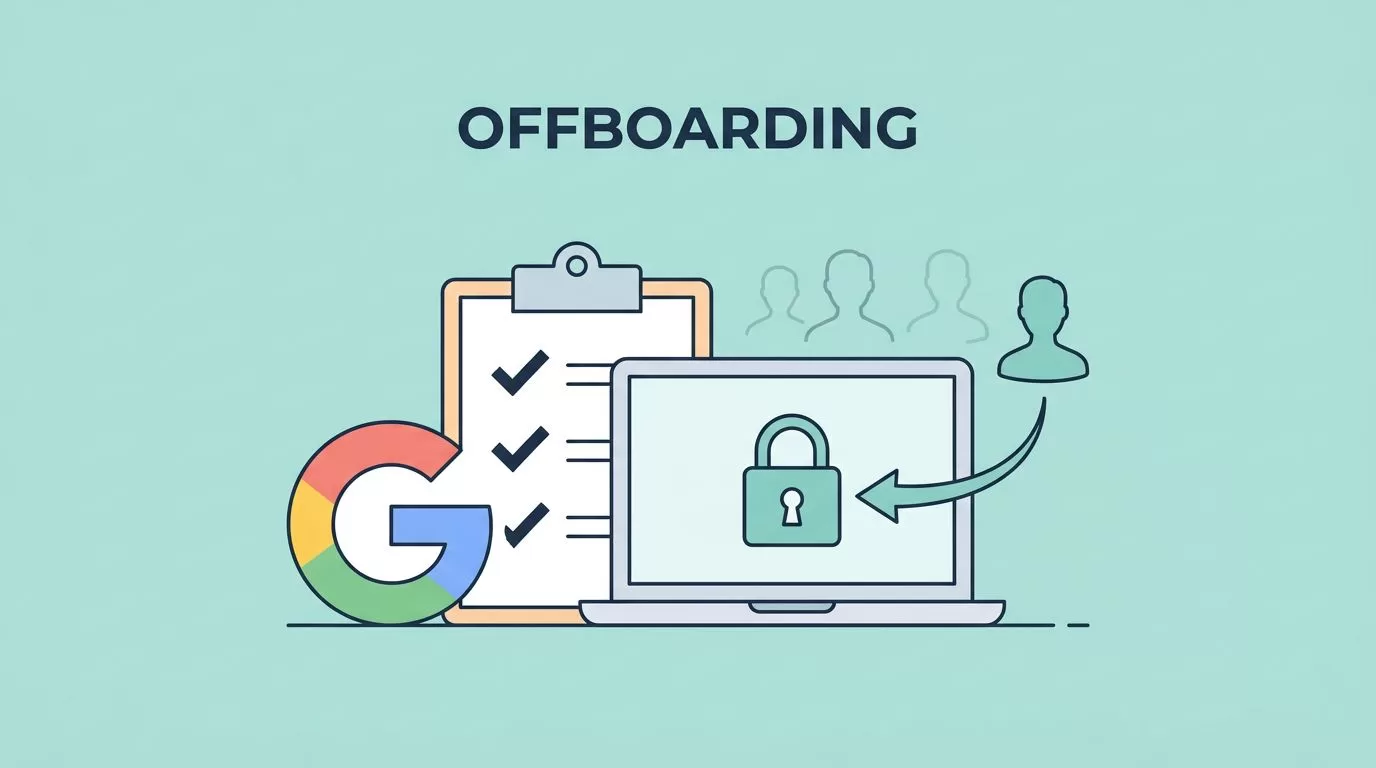
When a team member moves on, the transition creates a window of risk for your company data. Managing access is not just about human resources; it is a technical priority. A clear Google Workspace offboarding checklist helps you prevent unauthorized access while ensuring business continuity. Small teams often operate with limited time, so having a

Manual financial data entry is a drain on your operations. You likely spend hours each month logging into vendor portals, bank interfaces, or subscription management tools just to download recurring statements. These tasks are repetitive, error-prone, and provide little value to your core business goals. Using automated tools to gather this information is a logical

Managing digital assets often feels like a constant race against the clock. If you operate in the Web3 space, you know the frustration of manual tasks. Whether you are handling creator drops, managing whitelist spots, or firing off post-mint notifications, these repetitive actions eat away at your time. You don’t need to stay glued to
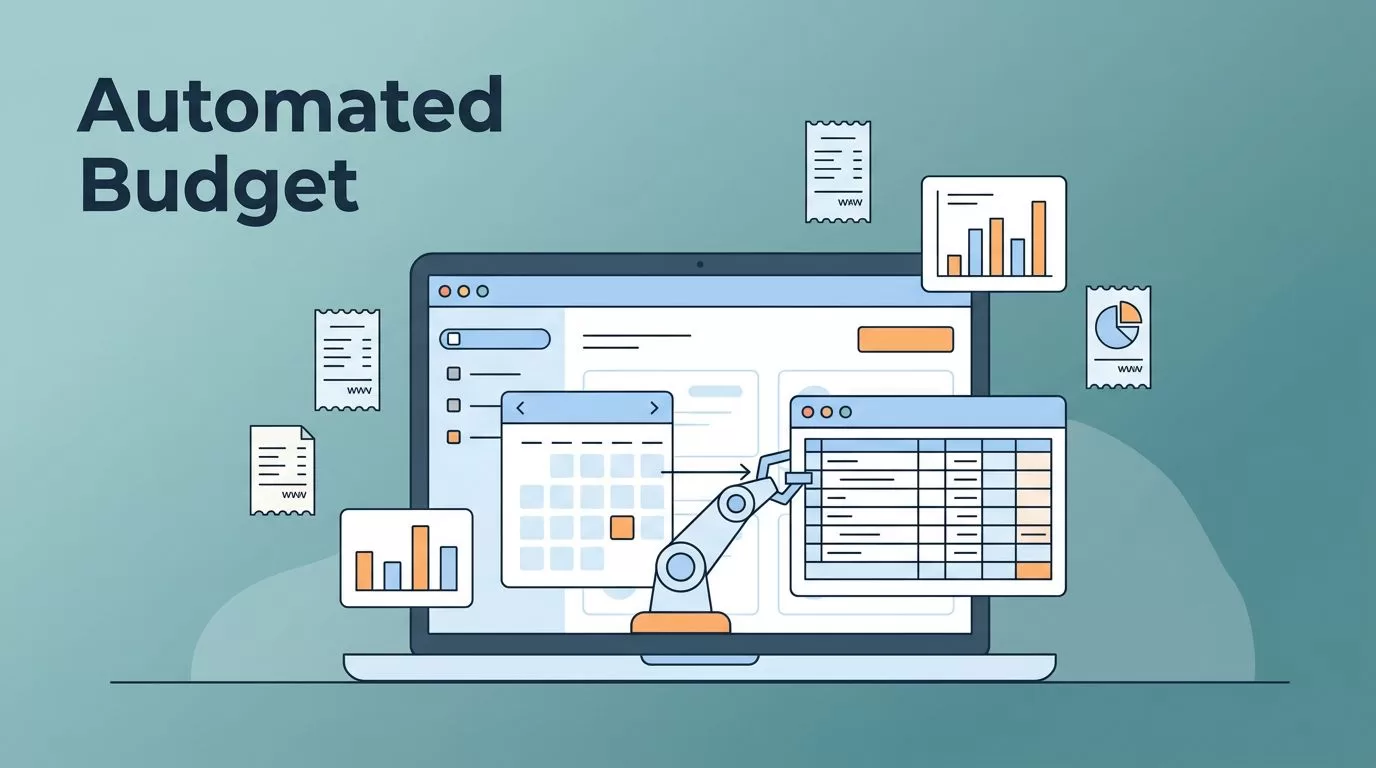
Tracking company expenses often feels like a race against a clock that never stops. You collect receipts, update spreadsheets, and cross-reference bank statements. Then, you wait for team members to submit their reports, only to spend hours chasing missing figures. This manual labor is expensive, error-prone, and soul-crushing for anyone involved in finance operations. Using
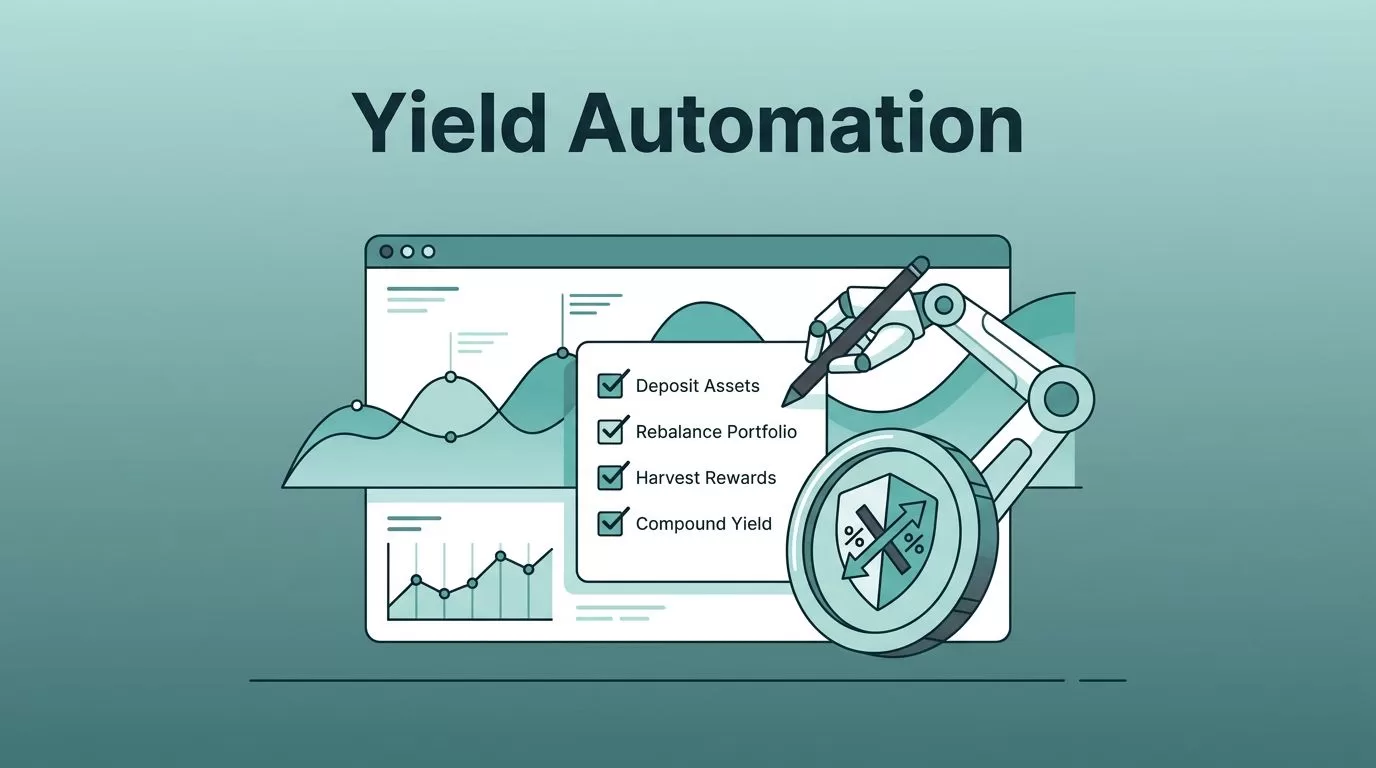
Tracking decentralized finance returns often feels like a second job. You spend hours opening tabs, comparing rates, and checking wallet balances just to ensure your assets are working hard. When you manually monitor DeFi yields, you inevitably miss the small windows where liquidity rewards spike or stablecoin rates become attractive. You end up trading your
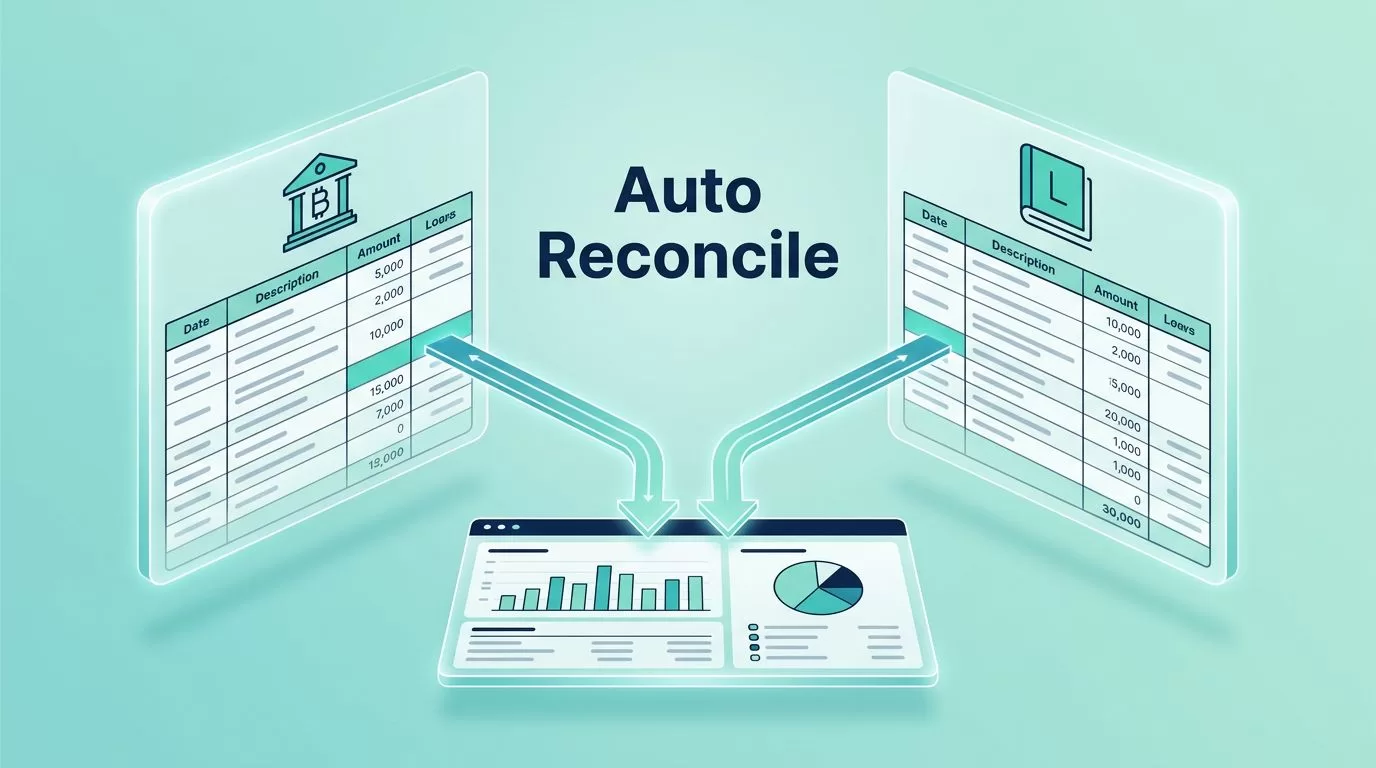
Staring at two separate spreadsheets, one from your bank and one from your internal ledger, feels like a full-time job. You check each line, highlight matches, and hunt for the missing pennies that break the balance. This manual grind drains your team every month. Your time belongs to strategic analysis rather than simple data comparison.
