


A recruiting day can fall apart fast when follow-ups live in email, interview notes hide in chats, and deadlines sit in your head. I use Recruit CRM task management to keep candidate calls, interview coordination, client check-ins, submission deadlines, and internal reminders in one place. That matters because every missed task can slow a placement.

I remember staring at my Tracker RMS dashboard one late night in early 2026. Pipelines blurred into chaos. Notifications piled up. My small staffing agency hit 20 recruiters, and the system buckled under the load. You feel that too if growth exposed cracks in your setup. Staffing firms like mine need tools that match pace

Executive search gets messy fast when notes live in email, feedback hides in spreadsheets, and each role has its own rules. I needed executive search software that could keep senior searches organized without slowing me down. Recruit CRM gives me that structure. It helps me track candidates, protect confidential work, keep clients informed, and cut

When my team spends more time inside the software than inside the search, I know the system is costing us placements. Bullhorn is powerful, but power can come with drag, extra setup, and a lot of clicks. If I’m running an agency, I care about how fast I can move a candidate, update a client,

When hiring starts to sprawl across spreadsheets, inboxes, and Slack threads, I lose control fast. That is where talent acquisition software earns its keep, and Recruit CRM gives me one place to manage the whole flow. I use it to source candidates, keep passive talent warm, move people through hiring stages, and track what is

When a requisition lands on my desk, I need a fast way to cut through the noise. I still want strong people, but I don’t want to spend half a day reading resumes that miss the brief. That’s why I rely on a candidate matching algorithm in Recruit CRM. It helps me rank the pile

You’ve hit that wall with your current ATS. Candidates slip through cracks. Clients demand faster fills. I faced this in my staffing agency last year. Ceipal worked at first, but bugs and slow support killed momentum. Agencies need tools that blend ATS and CRM without headaches. Switching paid off big. Recruit CRM became my go-to

When a hiring pipeline gets messy, I feel it quickly. Candidates sit too long in one stage, follow-ups slip, and hiring managers start asking for updates I should already have. In 2026, that kind of drift costs time and trust, because teams expect cleaner records, faster replies, and one place where the whole process is
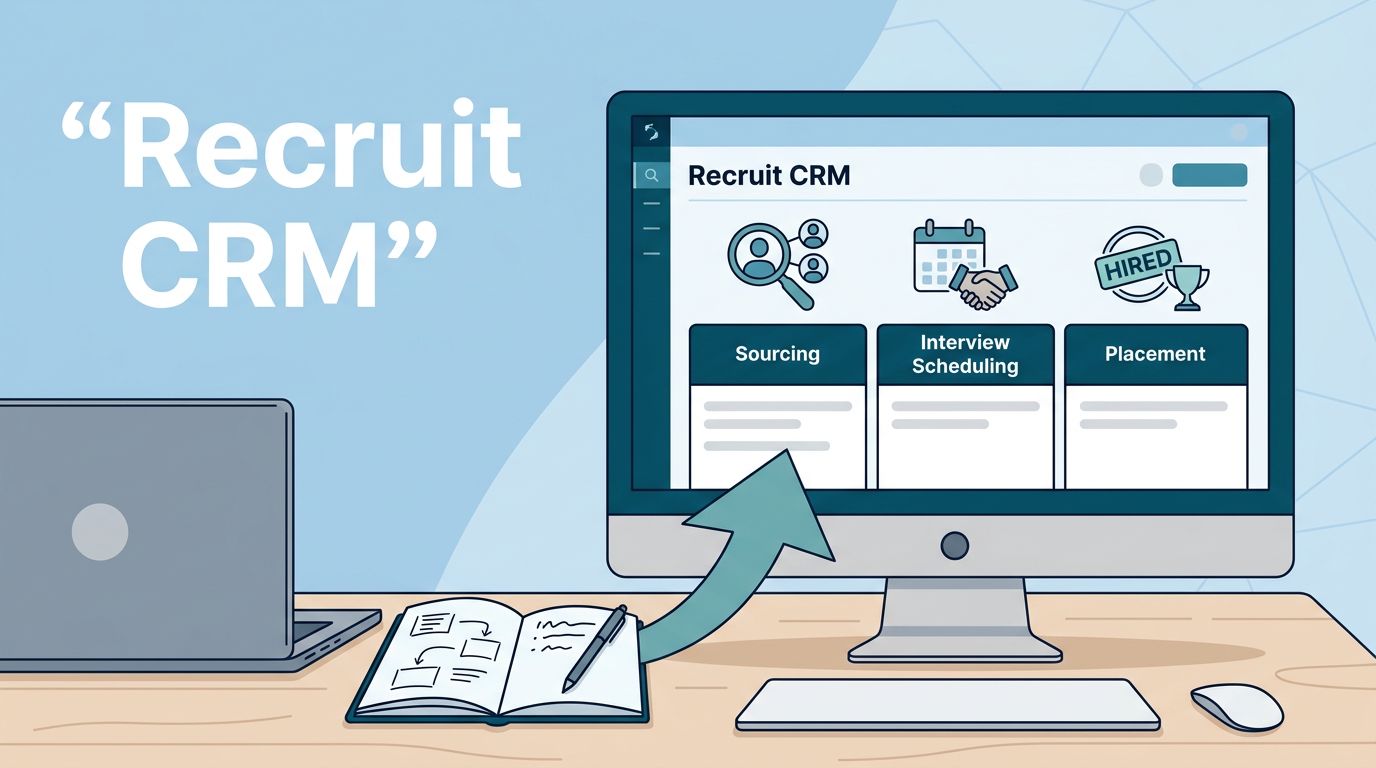
A messy CRM rollout slows placements before the first candidate even lands in a pipeline. When I set up Recruit CRM, I want the system to mirror how my agency already works, not force my team into a new habit on day one. That means I start with the workflow, then I shape the fields,

