Automating Your DeFi Yield Strategy with Twin.so
Tracking decentralized finance returns often feels like a second job. You spend hours opening tabs, comparing rates, and checking wallet balances just to ensure your assets are working hard. When you manually monitor DeFi yields, you inevit...
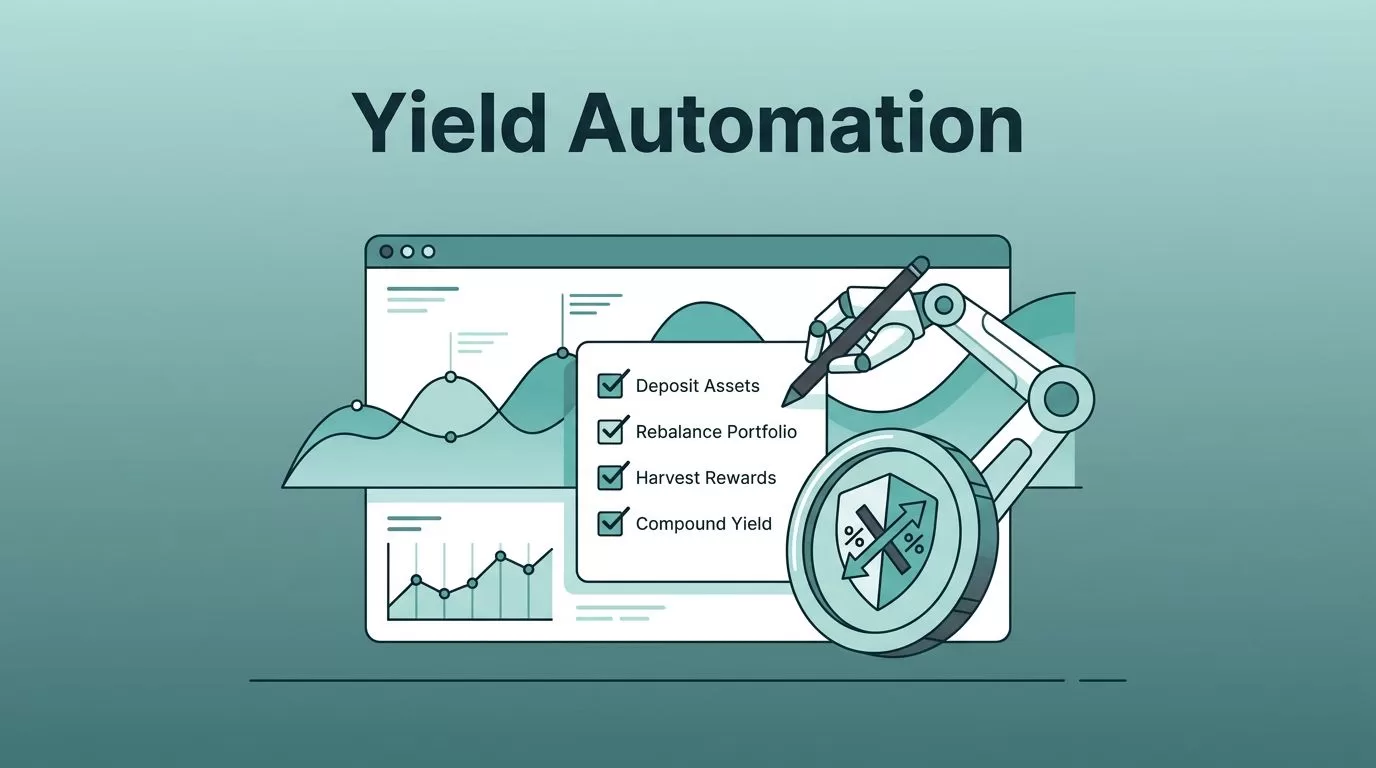
Tracking decentralized finance returns often feels like a second job. You spend hours opening tabs, comparing rates, and checking wallet balances just to ensure your assets are working hard. When you manually monitor DeFi yields, you inevitably miss the small windows where liquidity rewards spike or stablecoin rates become attractive. You end up trading your time for marginal gains, which rarely makes sense in the long run.
The shift toward automation is practical. Instead of acting as a human spreadsheet, you can deploy agents to handle the routine checks. While many tools exist, using a platform like Twin.so allows you to configure specific, repetitive workflows that fit your unique portfolio. By delegating these tasks to an agent, you reclaim your schedule and stop chasing numbers across dozens of browser windows.

Why Manual Tracking Fails
Manual tracking is fragile. A single protocol update or a change in reward structures can make your data obsolete before you even finish your morning coffee. Most users rely on bookmarks or mental notes, which lack the precision required for high-frequency adjustments. If you operate across multiple chains like Ethereum, Polygon, or Arbitrum, the mental overhead doubles.
You need a system that functions without constant oversight. Effective monitoring isn’t about watching the numbers constantly; it is about setting rules that trigger an alert only when a meaningful event occurs. When you rely on automated agents to handle the heavy lifting, you convert a chaotic stream of information into a quiet, reliable feed of actionable updates.
Setting Up Your Yield Monitoring Agent
Twin.so serves as a flexible framework for this task. Because it is a general automation platform, you define the behavior based on your specific needs. You start by identifying the protocols you use most frequently. If you stick to Aave or Curve, you focus your agent on those interfaces first.
First, you define the objective for your agent. You might tell it to check the current APY for a specific pool every six hours. If the yield drops below a predefined threshold, the agent sends you a notification via your preferred communication channel. You don’t need to write complex code to do this; you simply provide clear, natural language instructions that the system follows.
The real benefit appears when you scale your strategy. Once the agent monitors one pool, you can easily add more to its task list. You might instruct it to compare rates across three different platforms and highlight the highest yield for a specific asset. This process transforms your interaction with the market from active hunting to passive, data-driven decision-making.
Translating Intent into Automation
When you configure your agent, focus on inputs that correlate with your financial goals. If you value low-risk stablecoin yields, your agent should prioritize tracking those pools specifically. You can also learn more about DeFi yield monitoring to understand how these systems identify spikes that signal both opportunities and potential risks.
Consider these common automation goals:
- Threshold Alerts: Receive a push notification the moment a pool’s yield exceeds your minimum acceptable return.
- Position Health: Monitor your debt-to-collateral ratio and get warned if your position nears a liquidation threshold.
- Portfolio Snapshots: Request a daily summary of your total yield earned across all connected protocols.
By separating the “monitoring” task from the “execution” task, you maintain control while gaining efficiency. You might decide to let the agent alert you, but you still reserve the right to approve any movement of funds yourself. This hybrid approach keeps you informed while eliminating the tedious manual legwork.
Managing Risk Through Visibility
Visibility is your best defense against market volatility. If you don’t know your net yield after accounting for gas fees or impermanent loss, your raw APY figures are misleading. Many users find that after calculating real costs, their effective return is much lower than they expected.
An automated agent can calculate these net values for you, provided you give it the right parameters. You should track not just the headline yield, but the yield net of all costs. Referencing a standard DeFi monitoring overview can help you identify which specific metrics, such as borrowing costs or pool rewards, you should include in your automated report.
Don’t ignore the importance of security in your automation stack. Because these agents often need to access data, ensure you are using them in a way that aligns with your personal risk tolerance. Never give an automated agent permissions you wouldn’t grant a trusted advisor. Stick to read-only access for monitoring tasks.
Comparing Specialized Tools vs. General Agents
You might wonder if a general agent platform is the right choice compared to a purpose-built dashboard. Specialized tools, such as DeFi Alerts, often provide pre-configured templates that you can enable in minutes. These are excellent if you want a plug-and-play experience.
However, Twin.so offers a higher degree of customization for users who want to link their DeFi data to other business tools. If you want your yield data pushed into a database, a project management board, or a custom internal notification system, a general-purpose agent is superior. It allows you to build a bridge between your assets and your workflow, rather than forcing you to use a static interface.
If you are just starting, consider this comparison to choose your path:
| Feature | General Automation Agent | Dedicated DeFi Tracker |
|---|---|---|
| Customization | High | Low |
| Setup Time | Moderate | Fast |
| Integration Potential | Very High | Low |
| Primary Focus | Workflow Efficiency | Asset Tracking |
The choice boils down to whether you view DeFi as an isolated investment or part of a larger, interconnected financial system. If you want to integrate your yield performance tracking directly into your daily workflow, general platforms provide the necessary flexibility.
Refining Your Routine
Your automated routine should stay simple for the first few weeks. Start by monitoring a single asset class. Once the agent successfully delivers reliable reports, expand the scope to cover your entire portfolio. This incremental approach prevents you from feeling overwhelmed by notifications and helps you calibrate the sensitivity of your alerts.
Fine-tuning your thresholds is also important. If you set your alerts too broadly, you will receive notifications for minor rate fluctuations that don’t warrant action. If you set them too narrow, you will suffer from notification fatigue. Test different values over a full week to see what cadence feels right for your level of involvement.
Always review your agent’s performance periodically. If you notice it missing events or if you find yourself ignoring the alerts, revisit your instructions. You might need to change the frequency of the checks or refine the specific protocols it scans. Automation is not a set-it-and-forget-it solution; it is a tool that requires occasional maintenance to ensure it aligns with your strategy.
Expanding Beyond Simple Alerts
As you get comfortable with monitoring, look for ways to expand your agent’s utility. For example, you can have your agent aggregate data from multiple chains and store it in a single document. This gives you a historical record of your performance that is difficult to replicate with manual tools.
Think about how this data informs your broader financial decisions. You might see a recurring pattern where yields drop at the end of every month. Instead of reacting in the moment, you can anticipate these cycles and adjust your liquidity positions beforehand. This shift from reactive to predictive behavior is the ultimate goal of effective monitoring.
You are building a digital assistant that understands your financial priorities. Treat it with the same discipline you would a new employee. By clear instructions, regular audits, and thoughtful integration, you will transform how you interact with decentralized finance platforms.
Final Thoughts
Automating your DeFi yield tracking is the most effective way to eliminate busywork while maintaining a competitive edge. By leveraging tools like Twin.so, you transition from being a reactive participant to a structured manager of your digital assets. You save time, reduce the likelihood of missing opportunities, and gain a clearer picture of your actual returns.
Focus on setting clear, actionable rules for your agents rather than trying to monitor every single detail of the ecosystem. Start with one or two high-priority pools, refine your alert thresholds, and gradually expand your system as you grow more comfortable. When you finally stop chasing rates manually, you will find that managing your portfolio feels less like a chore and more like a strategy.
