How to Execute Automated Referral Payouts in Rewardful
An affiliate payout should not require a finance team to rebuild a commission spreadsheet every month. Automated referral payouts in Rewardful can connect referral tracking, commission rules, approval timing, and payment operations in one c...


An affiliate payout should not require a finance team to rebuild a commission spreadsheet every month. Automated referral payouts in Rewardful can connect referral tracking, commission rules, approval timing, and payment operations in one controlled process.
The fast setup is not the same as a safe setup. You need clear commission rules, a test purchase, a payout owner, and a record your team can reconcile against Stripe before money leaves the business.
1. Set rules for automated referral payouts
Start with the commercial rules. Rewardful can track referrals and calculate commissions, but it can’t decide what your program should pay or when your team should release funds.
Write the policy first. Keep it in a shared document that affiliate managers, finance, and RevOps can reference when a partner questions an earning.
Set the commission model
Choose a percentage or fixed amount that matches the product margin. Then decide whether affiliates earn on the first payment, recurring subscription payments, or both.
Define the cases that don’t earn a commission:
- Refunded or disputed payments.
- Self-referrals and internal test purchases.
- Duplicate affiliate claims.
- Customers assigned manually after a sales-assisted deal.
- Accounts that cancel before the approval period ends.
Rewardful tracks referral activity and commission status, but your team still owns exception decisions. Store the affiliate, customer, invoice, commission amount, status, approval date, and payout reference in a fixed record.
Set the waiting period and threshold
A waiting period protects you from paying on revenue that later disappears through a refund or failed payment. Rewardful states that commissions become due after 30 days by default, or after a custom number of days, once the affiliate reaches the minimum payout amount. Review the current commission timing and threshold rules in your account before publishing program terms.
Don’t copy another SaaS company’s threshold. A low threshold creates more payout work and fees. A high threshold can frustrate small affiliates. Match it to your average commission value and payout method.
2. Connect billing data and test attribution
Rewardful uses Stripe events to create the financial referral record. The customer payment is the source of truth. A browser click or referral cookie only shows intent.

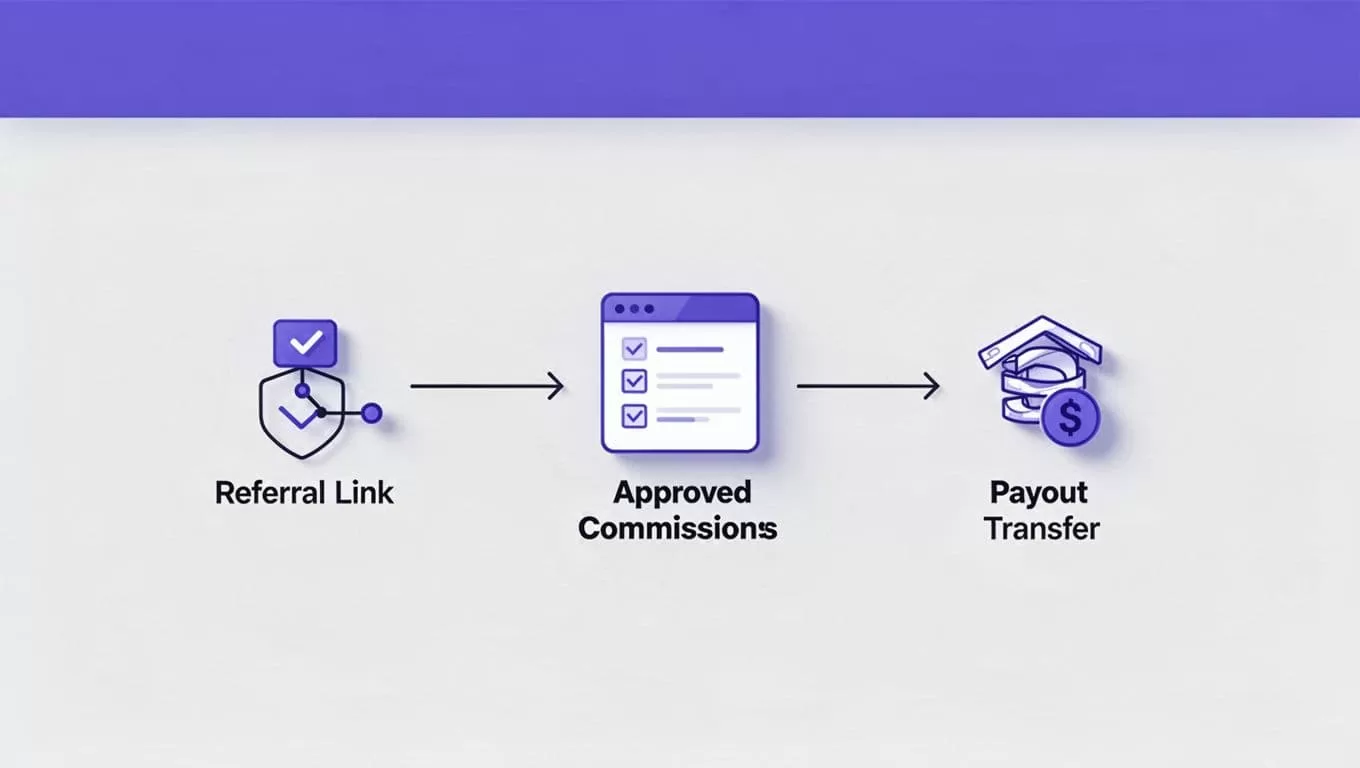
1. Connect the billing account
Connect the Stripe account that receives subscription payments. Confirm that the integration covers the checkout path your customers actually use, including payment links, coupons, and any custom checkout flow.
Run a real, low-value test through an affiliate link. Check that Rewardful attributes the customer to the intended partner. Then confirm that the paid invoice creates the expected commission.
If your team uses manual attribution for sales-led accounts, document who can create it and why. Don’t leave manual commission changes open to every program manager.
2. Test renewal, refund, and failure cases
A first purchase is not enough. Test a recurring renewal if you offer recurring commissions. Test a refund. Check a failed payment or cancelled subscription. Then compare Stripe payment data with the Rewardful commission record.
A completed tracking event is not an approved payout. The approval record must match revenue that your business has actually collected.
Review a small sample every week after launch. Compare affiliate, customer, paid invoice, commission amount, and refund status. Keep the last trusted commission report before each payout cycle. If attribution breaks after a checkout change, pause approvals and use manual review until the connection is fixed.
Measure accepted, reconciled commissions, not the number of referrals the system processed. A workflow that saves ten minutes but creates thirty minutes of correction work has failed.
3. Choose the payment path and complete checks
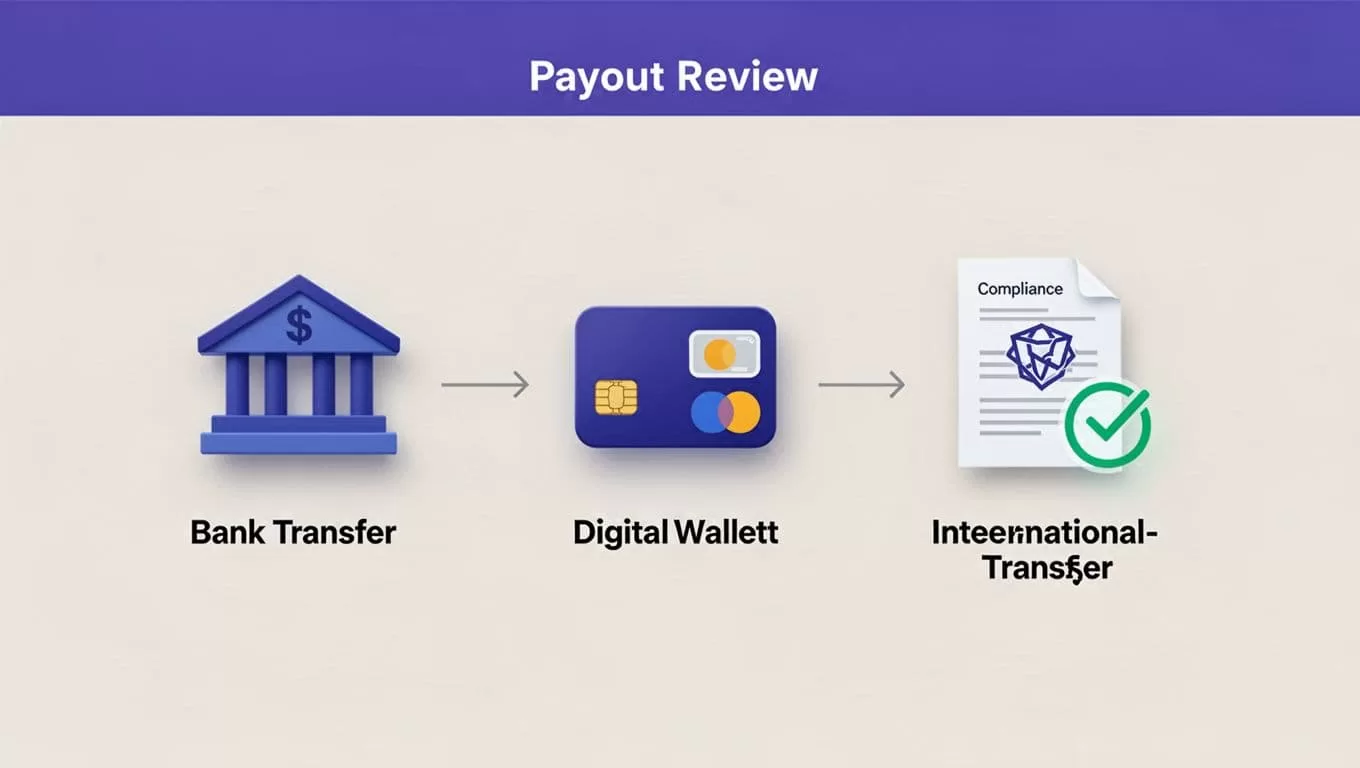
Rewardful supports different payout workflows. The right choice depends on your account configuration, affiliate locations, payment volume, currency needs, and compliance requirements.
3. Fund and release payouts with the right method
With Managed Payouts, the merchant funds Rewardful and Rewardful distributes available affiliate earnings. The Managed Payouts merchant FAQ states that affiliates enter payment details through their dashboard, while tax information, KYC checks, and reporting needs are handled in the payout flow.
Available withdrawal methods can include bank transfer, SEPA transfer, wire transfer, PayPal, and check. Availability can change by country, account setup, and affiliate location.
If your process uses PayPal or Wise bulk payments, finance may need to download the due-payout file and submit it through the payment provider. Review Rewardful’s commission payment instructions and confirm provider fees before your first run.
4. Run the pre-launch checklist
Complete these checks before you put automated referral payouts into production:
- Confirm commission rates, recurring rules, refund treatment, due period, and payout threshold.
- Test one referred purchase and reconcile it with Stripe.
- Assign one owner for payout approval and one backup owner.
- Confirm the payment methods available to your affiliates by jurisdiction.
- Check payment fees, currency conversion costs, timing, and funding requirements.
- Review tax collection, identity verification, and reporting obligations with your finance or legal adviser.
- Save the payout report, approval record, and payment confirmation after every run.
Payout timing, thresholds, tax requirements, and payment rails aren’t universal. They can vary by account configuration and jurisdiction. Don’t promise affiliates a payment date or method until your live setup supports it.
If you need a documented approval flow across finance, partnerships, and RevOps, Book A Call to map the handoffs before launch.
Keep payout automation under control
Automated referral payouts work when commission tracking, approval rules, and payment evidence stay connected. Rewardful can reduce recurring work, but it doesn’t remove the need for revenue checks, exception handling, and clear ownership.
Start with a limited payout batch. Reconcile every record. Expand only after your team can explain every paid commission, every reversal, and every payout reference.

