Grow B2B Affiliate Marketing With Rewardful
Affiliate programs fail when they track clicks but cannot prove who drove a paid customer. B2B affiliate marketing needs a tighter system. You need clean attribution, commission rules that fit your margin, and a payout process finance can r...


Affiliate programs fail when they track clicks but cannot prove who drove a paid customer. B2B affiliate marketing needs a tighter system. You need clean attribution, commission rules that fit your margin, and a payout process finance can reconcile.
Rewardful connects affiliate activity to subscription billing, so your team can track commissions after actual customer payments. Start small, validate every record against billing data, then expand the program after the numbers hold up.
B2B Affiliate Marketing Runs on Billing Data
A SaaS referral is not a completed sale. The buyer may start a trial, involve a procurement team, change plans, request a refund, or cancel before the first renewal.
Your affiliate system must handle those events without manual spreadsheets. Rewardful is built for SaaS companies using Stripe or Paddle. Its affiliate software for SaaS tracks affiliate referrals against subscription activity, including recurring commissions.
Treat the paid invoice as the source record
Set your commission event around money received, not form submissions or trial starts. A referred demo can create pipeline. It should not create a payout unless that is an intentional partner agreement.
For Stripe accounts, Rewardful calculates commissions from the amount the customer actually paid. Discounts matter. A customer who uses a coupon should generate a commission based on the discounted invoice amount.
This protects your contribution margin and prevents disputes when a promotion changes the final bill.
A referral record is only useful when your team can match it to a real customer, paid invoice, commission rule, and refund status.
Start with one controlled campaign
Don’t launch five partner types with five reward models. Begin with one offer, one partner profile, and one billing path.
A practical first campaign might target implementation consultants who already recommend tools in your category. Give them a clear referral link, a short product brief, and a defined reward for customers who become paid accounts.

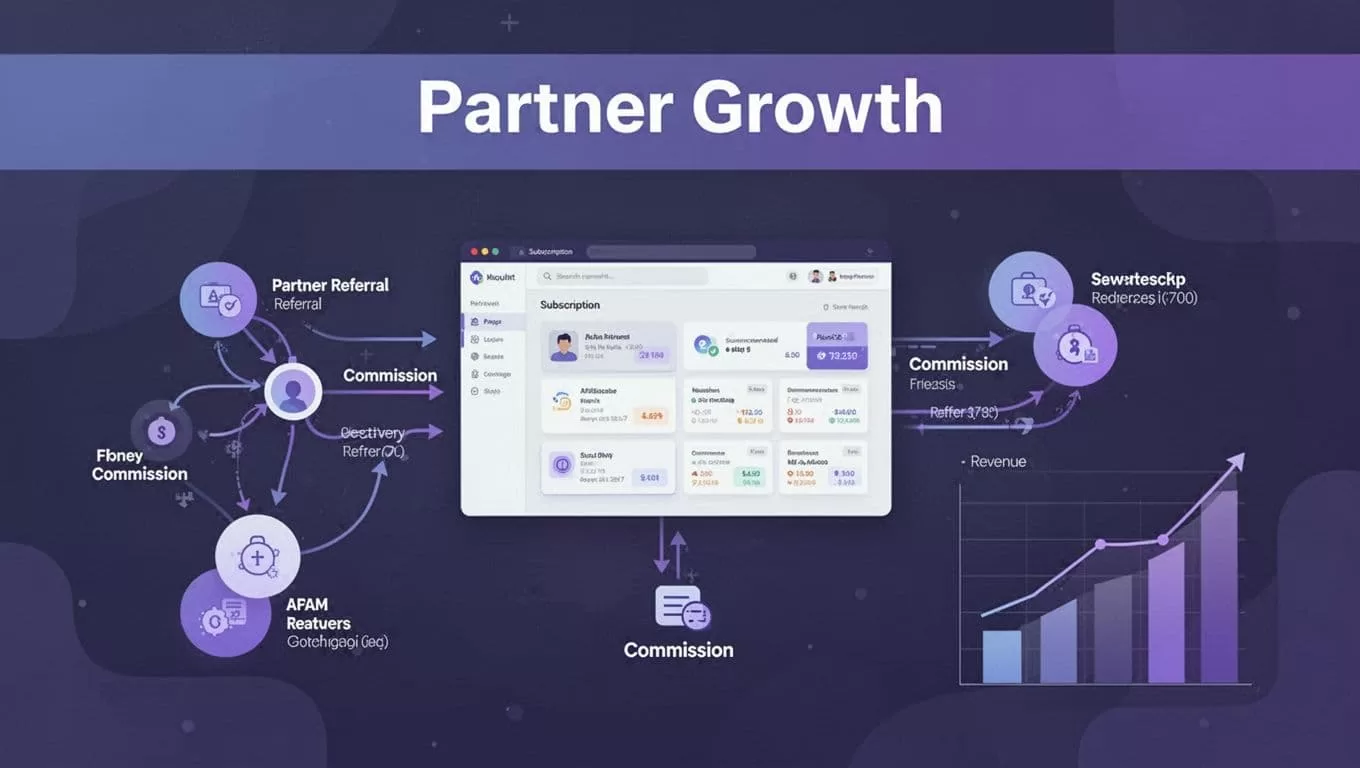
SET COMMERCIAL RULES BEFORE YOU RECRUIT PARTNERS
Your reward should match the partner’s influence, sales cycle, and the customer value they create. A consultant who joins an enterprise evaluation needs a different offer than a newsletter operator who sends trial traffic.
Set the rules before you approve applications. Changing terms after a partner has sent customers creates friction and payout disputes.
Choose a commission model that fits your margin
Rewardful supports percentage-based and fixed commissions. Recurring commissions are the default, but you can limit them to a defined number of payments or months.
Use percentage rewards when plan value varies. Use fixed rewards when you want predictable acquisition costs.
| Partner type | Example incentive | Control to add |
|---|---|---|
| Implementation consultant | 20% of the first 12 paid months | Pay only after the customer invoice clears |
| Integration partner | $500 after the first annual invoice | Require a verified partner opportunity in your CRM |
| Customer advocate | 15% recurring for six months | Exclude self-referrals and internal purchases |
| Industry newsletter | 20% of the first paid invoice | Use a unique landing page and campaign code |
These are test offers, not default rates. Calculate the highest acceptable commission from gross margin, onboarding cost, sales support, and expected retention. A program with attractive partner rewards can still produce an unacceptable customer acquisition cost.
Use discounts with a clear purpose
A double-sided offer can reduce buyer hesitation. For example, the referred customer receives 15% off the first three months while the partner earns commission on the discounted payment.
Rewardful’s double-sided incentive setup uses Stripe coupons. This option is not available for Paddle-connected accounts, so don’t publish the offer until you confirm your billing setup supports it.
CONFIGURE REWARDFUL AROUND THE BUYING PATH
Your campaign must follow the route a buyer takes. That includes landing page, referral link, signup, trial, checkout, invoice, upgrade, refund, and payout.
Map the process before adding partners. This stops sales, support, and finance from working from different definitions of a successful referral.
Build the first campaign in a fixed order
- Connect your Stripe or Paddle account and set the display currency your team uses for reporting.
- Create one campaign with a defined commission type, rate, payment limit, and attribution model.
- Add Rewardful tracking to your public website and test the path from referral link through checkout.
- Create one test affiliate and complete a controlled purchase or trial flow. Check the attributed customer, paid invoice, and commission result.
- Store the campaign terms, launch date, and owner in your operating record. Keep prior versions when you change a rule.
Rewardful supports first-touch and last-touch attribution. Pick one method before launch. First-touch works when you want to reward the partner who introduced the account. Last-touch can fit a program where partners help close an active evaluation.
Give partners links and codes
Links work well for blog posts, comparison pages, webinars, and partner resource hubs. Promo codes help when a partner sells through a podcast, event, private community, or sales conversation.
Rewardful’s guide to promotion-code referral tracking covers link-based, code-based, and combined tracking. Give each partner one code. Don’t reuse codes across partners or campaigns.
Keep a record of every active link, code, campaign, and landing page. If a partner challenges attribution, you need a source record instead of a guess.
RECRUIT PARTNERS WHO INFLUENCE THE BUYING COMMITTEE
The best B2B affiliates are not always high-traffic publishers. They are people and businesses that already have buyer trust.
Look for consultants, agencies, integration partners, specialist newsletters, community operators, and customer educators. A smaller group with relevant access usually produces better pipeline than a broad group of discount-driven affiliates.
Approve for fit, not audience size
Ask each applicant where their referrals come from, which customer segment they reach, and how they plan to promote your product. Review their site, newsletter, community, or service offer before approval.
Reject partners whose audience conflicts with your ideal customer profile. Also reject partners who only publish generic coupon pages unless that traffic matches your acquisition model.
Set a first-month activation goal. For example, each approved partner should publish a resource, send a campaign, host a demo, or introduce a qualified account within 30 days.
Run campaigns partners can use
Give partners a real reason to promote your product. Useful B2B campaigns include:
- An implementation consultant runs a migration clinic for teams replacing a competing tool.
- An integration partner publishes a workflow template with a tracked signup link.
- A specialist newsletter offers a buyer briefing tied to a live product demo.
- A customer advocate shares a documented use case with a promotion code for peers.
Provide approved product claims, customer proof, landing pages, and a support contact. Partners shouldn’t need to invent positioning or guess who qualifies.
MEASURE THE FULL PARTNER REVENUE CHAIN
Clicks are early signals. They are not revenue. A high click count can hide weak buyer intent, poor onboarding, or customers who never pay.
Track the chain from approved partner to paid customer. Keep the definitions fixed across every campaign so results remain comparable.
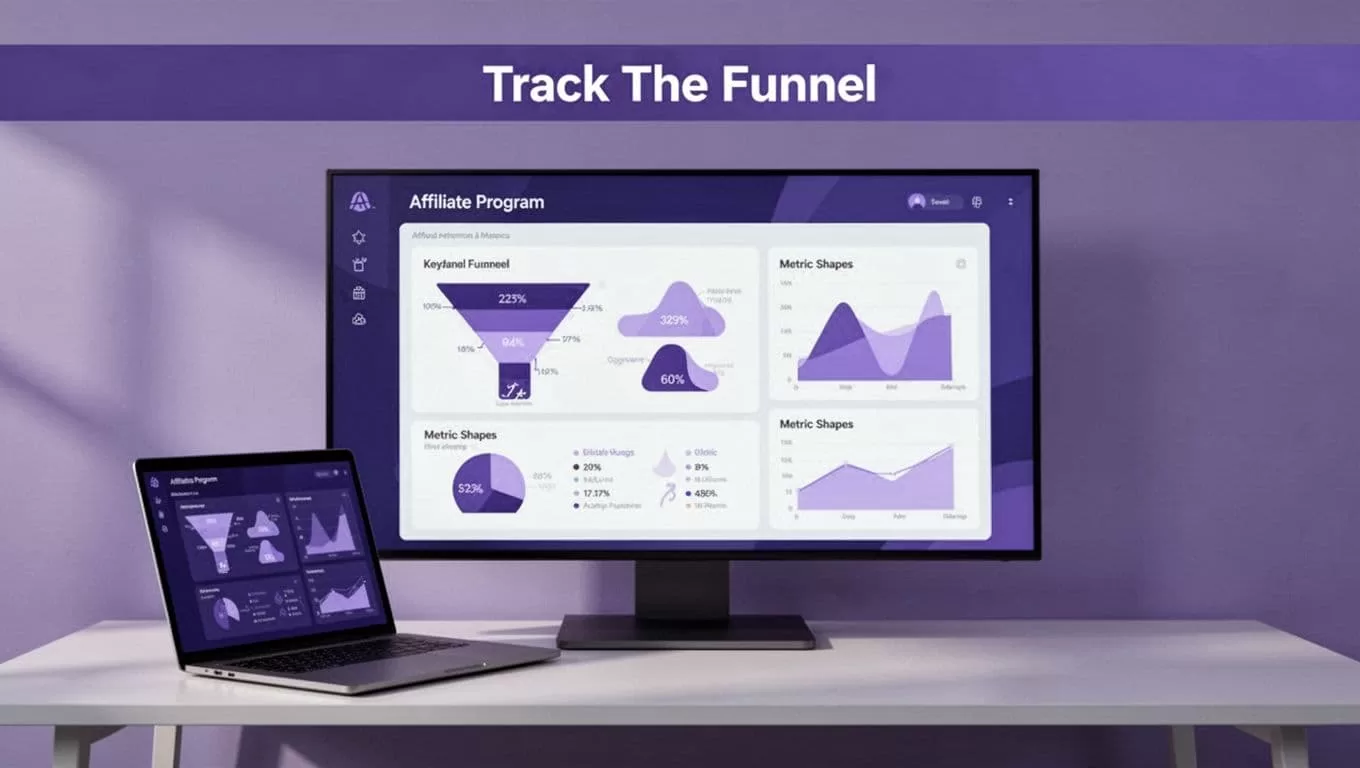
Use a scorecard your sales and finance teams trust
Use one report with the following measures:
| Metric | Working definition | What it tells you |
|---|---|---|
| Partner activation rate | New approved partners with a first qualified referral within 30 days / new approved partners | Whether recruitment produces active partners |
| Referred pipeline | Open CRM opportunity value with verified partner source | Potential revenue, not earned revenue |
| Referred conversion rate | New paid referred accounts / referred trial or demo accounts | Whether referred buyers fit your offer |
| Customer acquisition cost | Approved commissions plus program costs / new paid referred customers | The full cost to acquire each customer |
| Partner-sourced revenue | Paid attributed invoice revenue less refunds and reversals | Collected revenue tied to the program |
Add activation events for your product too. A paid account that never completes onboarding may increase current revenue while raising future churn risk.
Reconcile reported earnings against payment data
Review a small sample every week. Compare the Rewardful record with Stripe or Paddle. Confirm the partner, customer, invoice, commission amount, and refund status.
Use statuses such as Pending, Needs Review, Approved, Paid, and Reversed. Keep corrections as separate records. Don’t overwrite the first payout entry, because you may need to explain a later reversal.
Rewardful’s explanation of how it pays affiliate commissions is useful for understanding the payment record and payout flow. Use approved commissions and actual payments for finance reporting, not pending earnings.
CONTROL FRAUD, PAYOUTS, AND RECOVERY
A payout process needs controls before the first partner asks where their money is. Rewardful includes self-referral fraud detection, but your team still needs written review rules.
Check referrals where the affiliate and customer share an internal email domain, payment method, company name, or billing address. Exclude internal purchases from partner terms.
Review exceptions before you pay
Set a payout review date after your refund window. Review high-value commissions, new partners, unusual account patterns, and large plan changes before approval.
Rewardful’s Stripe marketplace listing explains that commission records can adjust for upgrades, downgrades, free trials, cancellations, and refunds. Review those changes before treating a commission as final.
Keep payout documentation with the partner record. Include the campaign, customer, invoice number, payment date, commission rate, approved amount, payout method, and payout reference.
Keep a recovery path for tracking failures
Set alerts for missing tracking scripts, sudden drops in attributed customers, failed billing sync activity, and duplicate claims. Store a last trusted commission report before major checkout or pricing changes.
If attribution breaks, pause new payouts for affected records. Identify the last verified invoice, correct the tracking problem, and review the gap before releasing payment. A completed dashboard action does not prove the referral data is correct.
IMPLEMENTATION CHECKLIST
Use this list before expanding your B2B affiliate marketing program:
- Connect Stripe or Paddle and test one complete referral-to-payment path.
- Define the commission event, payout timing, attribution model, and refund policy.
- Create one campaign for one partner type with a margin-tested reward.
- Approve partners based on buyer access and promotion plan.
- Track activation rate, referred pipeline, conversion rate, customer acquisition cost, and partner-sourced revenue.
- Reconcile affiliate records against billing data before every payout cycle.
Rewardful gives you the tracking layer. Your operating process decides whether the program produces reliable revenue records or a growing payout problem.
If you need help mapping partner acquisition, attribution, and payout controls into one workflow, Book A Call.

