Later Alternatives for B2B Social Media Teams
The phrase “Someli” doesn’t identify a standard B2B social platform. The practical search intent is clear: you need a Later alternative for planning, publishing, reporting, collaboration, and lead generation. Later is stro...

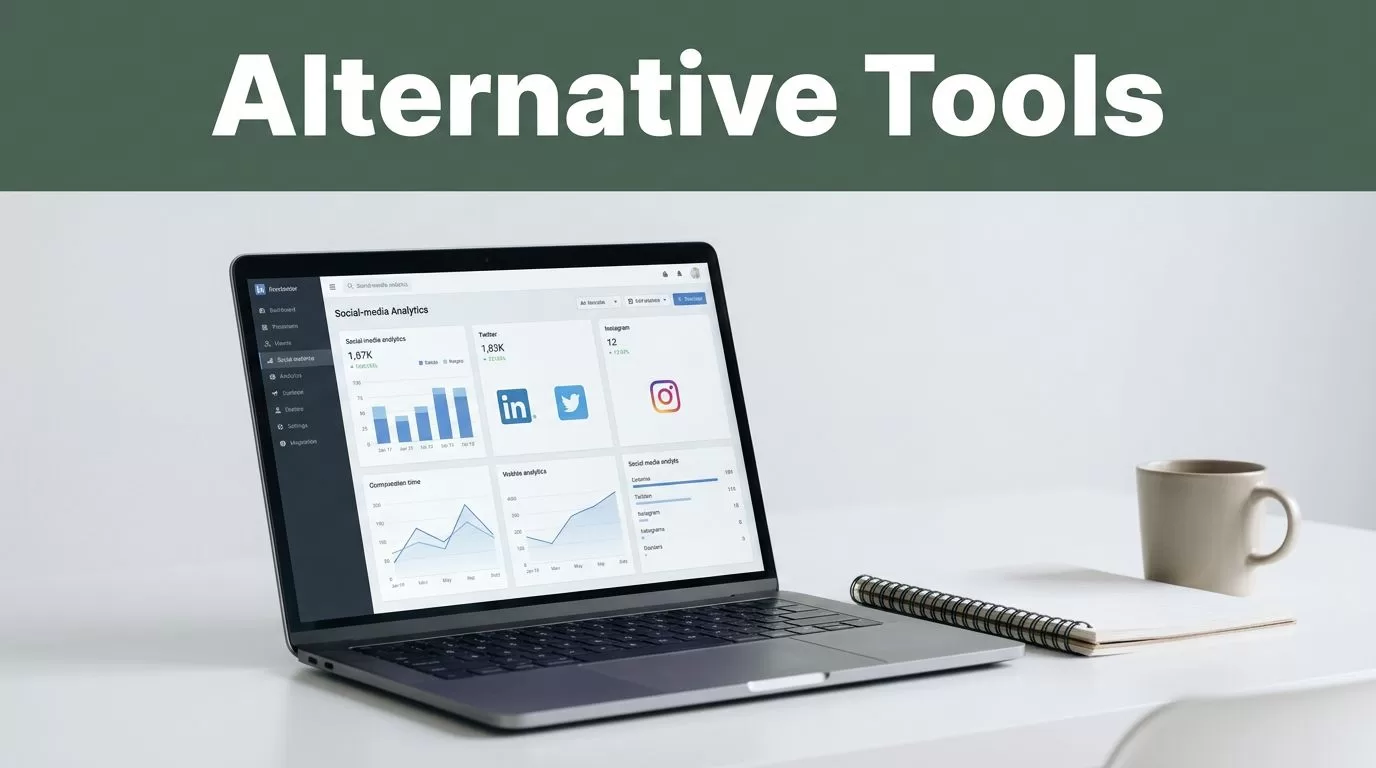
The phrase “Someli” doesn’t identify a standard B2B social platform. The practical search intent is clear: you need a Later alternative for planning, publishing, reporting, collaboration, and lead generation.
Later is strong for visual content and straightforward scheduling. B2B teams often need more. They need LinkedIn workflows, approval controls, shared inboxes, campaign tracking, and reports that connect social activity to pipeline.
The right replacement depends on your channels, team size, client structure, and reporting requirements. Start with the workflow, then compare the software.
Key Takeaways
- Buffer fits small B2B teams that need simple publishing at a predictable cost.
- Metricool is a strong choice for cross-channel analytics and campaign reporting.
- Agorapulse and Hootsuite suit teams that need inbox management and collaboration.
- Sprout Social fits larger organizations with advanced reporting and governance needs.
- Track leads with UTM links and CRM data. Social impressions alone don’t prove business value.
Why B2B Teams Replace Later
Later is easy to understand. You connect social profiles, create posts, arrange content in a calendar, and schedule publication. That workflow works well for a small team with a visual content strategy.
B2B marketing usually adds more conditions. LinkedIn may be the primary channel. Several people may review one post before publication. An agency may manage multiple clients. Sales may need campaign links and lead data. Executives may ask for reports that show more than likes and follower growth.
A Later alternative should solve the specific limitation that slows your team down. Don’t switch because another platform has a longer feature list. Switch because your current process has a measurable problem.
Common reasons include:
- Your team needs stronger LinkedIn publishing and reporting.
- Clients require approval steps before content goes live.
- You manage several brands, workspaces, or user roles.
- Social messages need assignment and response tracking.
- Reports must combine organic performance with campaign traffic.
- Per-channel or per-user costs have become difficult to control.
Review Later’s current official pricing and plan details before comparing alternatives. Plan names, included profiles, user limits, and analytics features can change. A cheaper headline price may exclude the reporting or approval tools your team uses every week.
The best replacement is not the platform with the most features. It’s the platform that removes your largest workflow bottleneck.
Compare the Main Later Alternatives
Each platform has a different operating model. Use the table as a starting point, then test the exact plan you would buy.
| Platform | Best fit | Main strengths | Watch before buying |
|---|---|---|---|
| Buffer | Small teams and lean marketing departments | Simple scheduling, queues, basic collaboration, broad network support | Advanced analytics and team controls depend on plan |
| Metricool | Teams focused on reporting and campaign analysis | Multi-network analytics, planning, reports, competitor data on eligible plans | Check brand, profile, and historical data limits |
| Agorapulse | Agencies and customer-facing teams | Publishing, social inbox, approvals, reports, team workflow | Costs rise with users, profiles, and higher-level features |
| Hootsuite | Larger teams with broad channel coverage | Publishing, inbox management, analytics, integrations, governance | Plan structure and add-ons can make total cost difficult to estimate |
| Sprout Social | Organizations with advanced reporting and governance | Reporting, listening, inbox workflows, permissions, enterprise controls | Usually expensive for small teams and individual operators |
Buffer’s pricing page uses a channel-based structure for much of its offering. That can work well when you manage only a few profiles. Calculate the cost using every profile your team will connect, not only your primary LinkedIn page.
Metricool’s pricing information groups its plans around brands, profiles, users, and publishing or analytics limits. This model can be useful for agencies, but you need to check what counts as a brand and how many accounts each plan includes.
Agorapulse, Hootsuite, and Sprout Social usually make more sense when your team needs shared inboxes, permissions, approval workflows, or deeper reporting. Their pricing pages provide the current plan structure, but the final amount often depends on seats, profiles, add-ons, and billing terms.
Choose Based on Your B2B Workflow
Start with your weekly process. Write down who creates content, who reviews it, who publishes it, and who reports the result. Then map each step to a platform requirement.
A small B2B team may only need a content calendar, reliable scheduling, and basic performance data. Buffer is often easier to deploy in this situation. The interface is simple, and the per-channel model is easy to calculate.
A marketing team with several channels may prefer Metricool. It combines scheduling with analytics across networks. That reduces the need to export data from several native dashboards. Check whether your required networks, reporting period, and export options are included in the selected plan.
Agencies need a different setup. They need workspaces, client approvals, role controls, content separation, and reports that don’t mix one client’s data with another’s. Agorapulse is designed around this type of operating model. Hootsuite can also fit agencies with broader channel requirements and more complex administration.
Large B2B organizations may need Sprout Social. Its higher plans support detailed reporting, permissions, inbox operations, and social listening. That doesn’t make it the right choice for every team. If you only schedule a few LinkedIn posts each week, the added cost may not produce a useful return.
Make a short requirements sheet before taking trials. Include:
- Social networks and profiles
- Monthly post volume
- Number of users and approvers
- Client or brand workspaces
- Required report exports
- Inbox and response requirements
- CRM, analytics, or automation connections
- Data retention and access controls
Don’t accept a demo answer as proof. Ask the vendor to show the exact workflow your team will use.
Check LinkedIn, Approvals, and Analytics Before You Buy
B2B buyers often start with LinkedIn. A platform can list LinkedIn as a supported network while limiting important functions by plan. Check page publishing, personal profile support, document posts, video, tagging, first-comment workflows, and analytics access.
LinkedIn also separates page activity from paid campaign activity. A scheduler may report organic reactions and clicks, but it won’t automatically show your full pipeline. Use LinkedIn Pages guidance to confirm how page publishing and administration work outside the scheduling platform.
Approvals need the same level of attention. Ask whether an approver needs a paid seat. Check if comments can be added to a draft, whether approval history is stored, and what happens when someone rejects a post. A basic “send for approval” button isn’t enough if your team needs a clear audit trail.
Analytics should answer business questions. Useful reports show:
- Which posts generated link clicks
- Which campaigns produced visits
- Which channels supported form submissions
- How performance changed by content type
- How results compare across brands or clients
Use UTM parameters on campaign links. Google’s Campaign URL Builder can create consistent tracking values for source, medium, campaign, and content. Store the same campaign names in your CRM and analytics system.
A scheduler can publish the post. It can’t prove that a closed deal came from an organic impression. Connect social reporting to website and CRM data before making budget decisions.
Match the Pricing Model to Your Team
Pricing is not a single monthly number. It includes profiles, users, brands, historical data, premium reports, listening, and approval features.
Buffer’s per-channel approach may suit a founder or small team with a limited number of accounts. Metricool can be more practical when you manage several brands and need reporting in the same workspace. Agencies should calculate the cost of every client workspace and user seat.
Larger platforms often price around users, profiles, or feature packages. Sprout Social and Agorapulse can provide stronger controls, but those controls have a cost. Hootsuite may fit broad channel coverage, though you need to confirm whether analytics, inbox features, and integrations are included in the base plan.
Create a simple 12-month cost estimate. Include:
- Monthly or annual subscription fees
- Additional user seats
- Extra social profiles
- Premium analytics or listening
- Onboarding and migration time
- Export or reporting tools
- Any required CRM or automation connector
Then compare that cost with the hours your team spends on manual work. If staff export reports every week, copy approvals into email, or switch between several inboxes, those hours belong in the calculation.
Don’t choose an annual plan until you test the complete workflow. Schedule real posts. Invite real approvers. Export a real report. Connect the tracking links your sales team uses.
Build a Low-Risk Migration Plan
A replacement should not create a publishing gap. Keep Later active while you test the new system with a small group of channels.
Start by exporting your content library, posting history, saved captions, and reporting data. Not every platform imports these items cleanly. Store the files in a shared location before you cancel the old subscription.
Next, connect one LinkedIn page and one secondary channel. Recreate a small content queue. Test image dimensions, video processing, tagging, links, first comments, and publication times. Confirm that scheduled posts appear correctly on the native networks.
Invite the people who approve and report on content. Don’t test alone. A platform that feels simple to the publisher may create problems for an approver or analyst.
Run the new system for at least one reporting cycle. Compare:
- Posts published without errors
- Time spent preparing weekly reports
- Approval turnaround time
- Link tracking consistency
- Inbox response ownership
- Cost per managed profile
Keep a rollback plan. Save a copy of all scheduled content and record the dates of posts that must not be missed. Change the profile connection only after the replacement passes the test.
Agorapulse’s pricing and product page and Sprout Social’s pricing information can help larger teams compare included capabilities before requesting a sales quote. Treat the published feature list as a starting point. Confirm the exact limits in writing.
Conclusion
Selecting a Later alternative for B2B social media starts with your operating process. Small teams may need simple scheduling. Agencies may need approvals and separate workspaces. Larger organizations may need inbox controls, governance, and advanced reporting.
Compare the platforms by required profiles, users, reports, and integrations. Test LinkedIn publishing and approval workflows before migrating. Keep UTM tracking and CRM data connected so social activity can be measured against real business outcomes.
The right choice is the one your team can deploy, manage, and report on without adding another manual system.

