Reading Baremetrics for Signal, Not Noise: A Weekly Review Rhythm
Recurring revenue can look healthy while the base leaks in quiet places. A few new signups can hide churn, failed payments, or a weak trial funnel. I use Baremetrics subscription health checks to see the real story behind the topline, then...
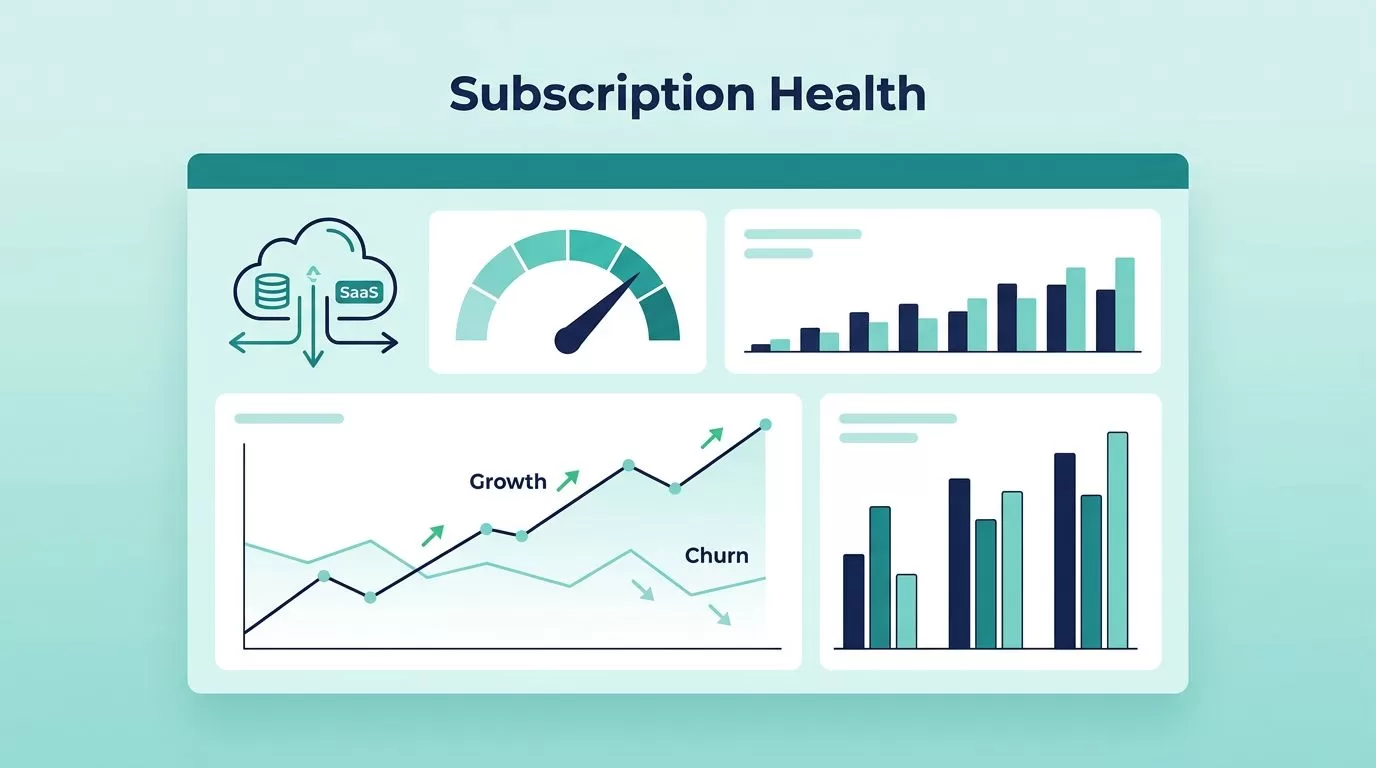
Recurring revenue can look healthy while the base leaks in quiet places. A few new signups can hide churn, failed payments, or a weak trial funnel. I use Baremetrics subscription health checks to see the real story behind the topline, then I act before the board deck gets messy.
I start with the numbers that move fastest, then I trace them back to a cause. That gives me a clean view of retention, expansion, and billing risk without turning every report into a scavenger hunt.
The metrics I check first
I keep my first pass simple. Baremetrics is built for this kind of review, and I keep the official Baremetrics subscription analytics page open when I want a quick product-level refresher. For a deeper look at what belongs in the mix, I also keep my core subscription metric map nearby.
This is the short list I watch first:
| Metric | What I watch | What it can signal |
|---|---|---|
| MRR | New, expansion, contraction, and churned MRR | Growth is real, or the topline is masking a leak |
| ARR | Direction over time, not one good month | Planning is moving the business forward, or not |
| Churned MRR | Spikes after a launch, pricing change, or support issue | Retention trouble, product friction, or bad fit |
| Expansion MRR | Whether upgrades keep pace with cancellations | Upsell path, onboarding, or packaging needs work |
| ARPU | Movement by plan, segment, or cohort | Mix shifts, discounting, or downgrades |
| LTV | Trend over time | Retention quality and acquisition payback room |
| Failed charges | Retry volume and recovery rate | Billing friction, expired cards, or weak dunning |
When those numbers move together, the story gets clearer. When they move in different directions, I know I need to dig deeper.
I don’t treat customer churn and revenue churn as the same thing. A low churn count can hide a large account loss, and a few small cancellations can look louder than they are. Baremetrics’ own subscription metrics guide is a useful check when I want to see how the platform frames those numbers.

How I read the dashboard for signal, not noise
My dashboard works best when it tells a story in one glance. I use my Baremetrics dashboard layout to separate executive, finance, and growth views, because each team asks a different question.
For finance, I want MRR, churned MRR, failed charges, and ARPU near the top. For growth, I want trial conversion, expansion revenue, and cohort views close by. For leadership, I keep the line between MRR, NRR, and churn easy to read.
I also add annotations whenever I change pricing, ship a feature, or launch a campaign. That way, if a line bends, I can see the event that happened before the bend. Without notes, I end up guessing. With notes, I can connect the drop or lift to something real.
Baremetrics works well here because it keeps the focus on subscription revenue and retention, which is the part I care about most. Its own product docs and reports point back to the same core questions, and that keeps me from overloading the dashboard with vanity numbers. If I want a broader view of what the platform tracks, I go back to the official Baremetrics feature set and compare it with my own layout.
What the numbers tell me when they move
Once I know what belongs on screen, I watch for patterns. A single number rarely tells the whole story, but a pair of changes usually does.
Here are the signals I trust most:
- MRR rises while NRR stays flat: New business is coming in, but the current base is not expanding much.
- Customer churn stays flat while revenue churn climbs: Smaller accounts are fine, but bigger ones are slipping away.
- ARPU falls while signups rise: I may be attracting the wrong segment or leaning too hard on discounts.
- Trial conversion drops while CAC stays steady or rises: Acquisition is getting more expensive, and the funnel needs work.
- Failed charges increase after a billing change: I look at retry timing, payment emails, and card update flows right away.
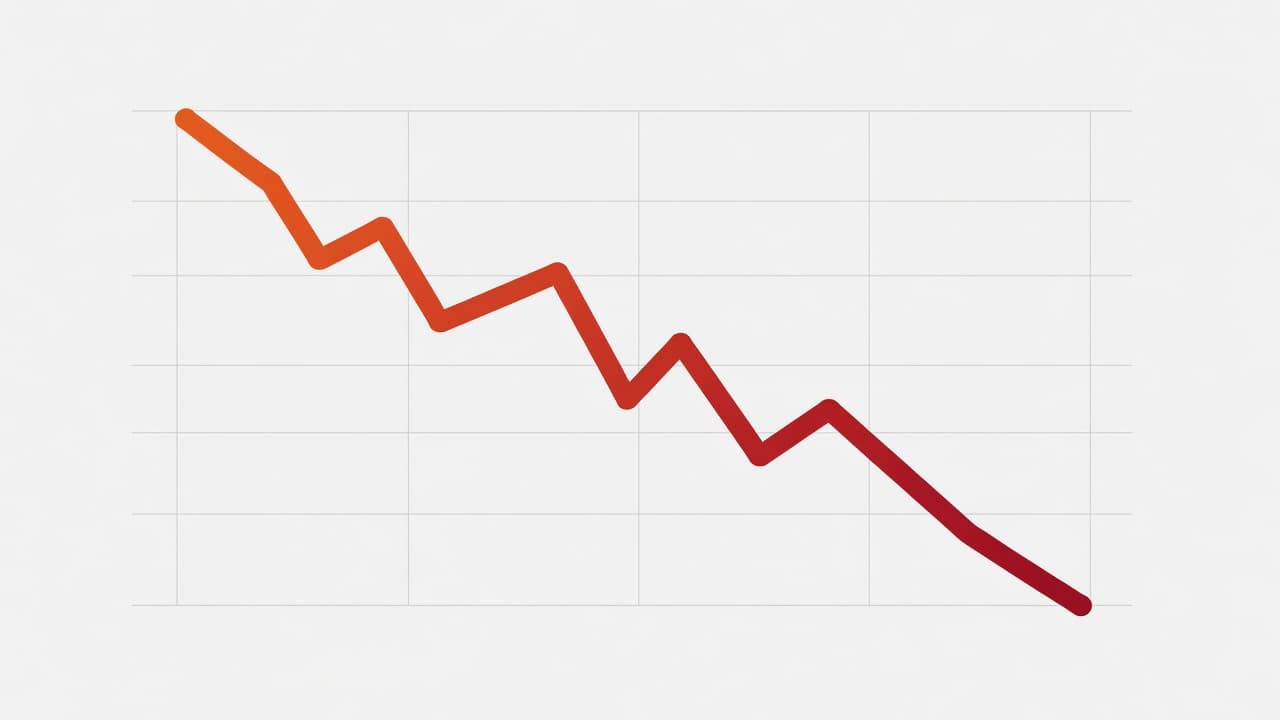
I never trust one churn number alone. Revenue churn tells me whether the accounts leaving matter more than the headcount.
Baremetrics also helps with failed payment recovery and dunning, so I don’t have to let billing errors pile up as fake churn. When a payment fails, I treat it like a billing event first, not a customer verdict. That small shift saves me time and keeps good accounts from slipping out through the back door.
Turning Baremetrics insights into retention work
Numbers are useful only when I can turn them into action. I use the dashboard to decide where the next hour goes, whether that means fixing onboarding, calling at-risk accounts, or tightening payment recovery.
When churned MRR spikes, I pull the affected segment and look for shared traits. Did the loss hit one plan? One cohort? One lead source? If I see the same pattern twice, I move fast on the fix. Sometimes that means support follow-up. Sometimes it means product changes. Sometimes it means I sold the wrong promise.
When expansion MRR stalls, I look at adoption. Are customers reaching the value moment? Are they hitting plan limits? Are upgrade prompts buried too late? I don’t guess. I compare the segment with my last good month and look for the step where momentum disappeared.
If trial conversion slips, I check whether the offer matches the buyer. Baremetrics has a helpful trial conversion guide, and I use that same lens on my own funnel. I want to know where people stall, what message they saw, and whether the handoff from trial to paid feels clumsy.
My response usually looks like this:
- I isolate the segment that moved first.
- I compare the current period with the prior one.
- I check whether the change came from pricing, product use, or billing.
- I assign one action, not five.
That last step matters. If I turn every metric shift into a giant project, nothing gets done. A clean subscription business often needs a clean response, not a committee.
My weekly review rhythm
I keep my review light enough that I can repeat it every week. That consistency matters more than long reporting sessions.
On Monday, I open the dashboard and scan MRR, churned MRR, expansion MRR, failed charges, and NRR. Then I compare the current week with the prior week and tag any sharp change. After that, I add or update annotations so I can read the next move in context.
On Friday, I check whether the action I took helped. If churn eased, I keep going. If trial conversion improved, I look at the source. If failed charges dropped, I verify the recovery flow and keep the billing team in the loop.
I keep one rule in mind the whole time. Healthy subscription revenue does not stay healthy by accident. It stays healthy because I keep watching the base, not just the top line. Baremetrics gives me that view, and I use it to spot trouble while it is still small.
Conclusion
The best subscription dashboard feels less like a report and more like an early warning system. When I watch MRR, churn, expansion, failed charges, and trial conversion together, I can see whether growth is real or just noisy.
That is the heart of Baremetrics subscription health for me. I am not looking for a prettier chart. I am looking for the next move that keeps revenue steady and gives good customers fewer reasons to leave.
