
A single recorded interview can produce a podcast episode, video clips, social posts, email content, and sales enablement assets. While many teams recognize the value of enterprise video repurposing, they often struggle to scale their efforts because they lack the necessary infrastructure. Most teams want to repurpose video content efficiently, but they run into hurdles
A clear podcast doesn’t start with expensive software. It starts with a clean recording, controlled processing, and the right export settings. If voices sound distant, harsh, boomy, or uneven, listeners notice within seconds. You can fix most spoken-word problems before uploading to Transistor.fm with a short, repeatable audio workflow. Start with the source file, apply
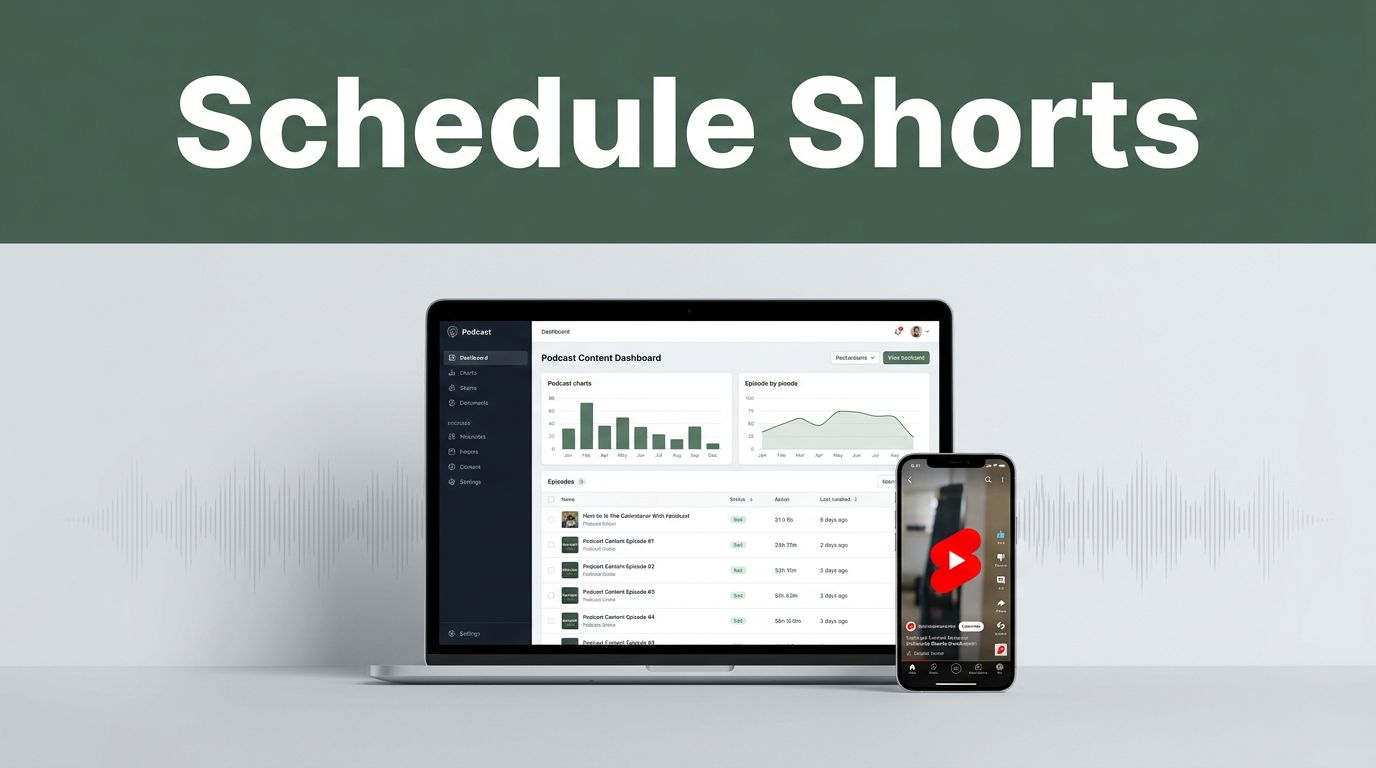
Your podcast already contains short clips worth publishing. The problem is moving those clips from a Transistor.fm episode into a consistent YouTube Shorts schedule without creating extra work. Transistor.fm can manage your podcast hosting, episode data, and source files. YouTube Studio handles the Short itself, including uploading, scheduling, and publishing. The reliable workflow connects both
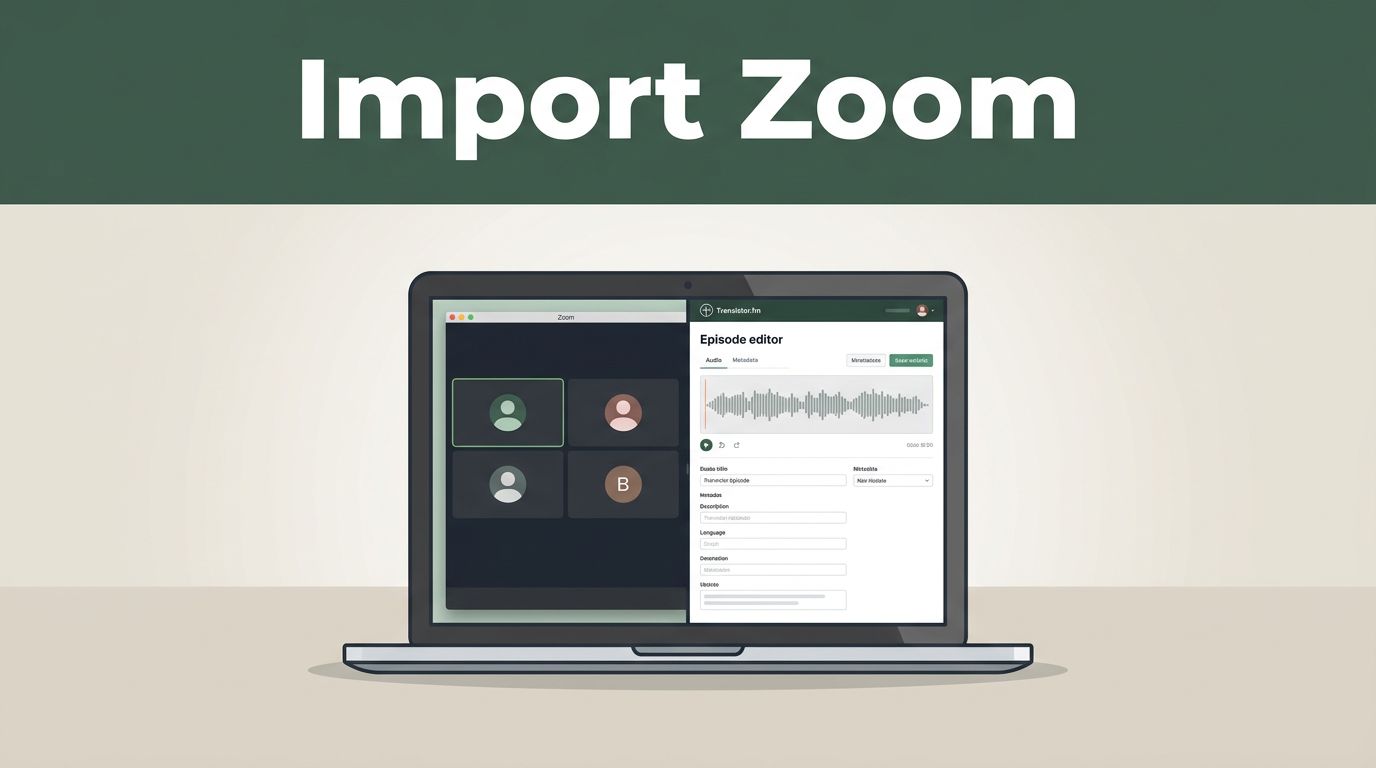
A Zoom cloud recording is not a podcast episode yet. You still need to download the audio, review the conversation, upload the file, and configure the episode in Transistor.fm. The reliable workflow is simple: Zoom cloud recording to local audio file to Transistor episode. You don’t import a Zoom sharing link directly into Transistor. Before
Your podcast can publish to Transistor.fm in minutes, but one audio episode can take hours to turn into useful video content. Agencies and production teams often solve this by adding a white label video editor to the delivery process. The editor handles clips, captions, layouts, exports, and revisions. Your agency keeps the client relationship, branding,
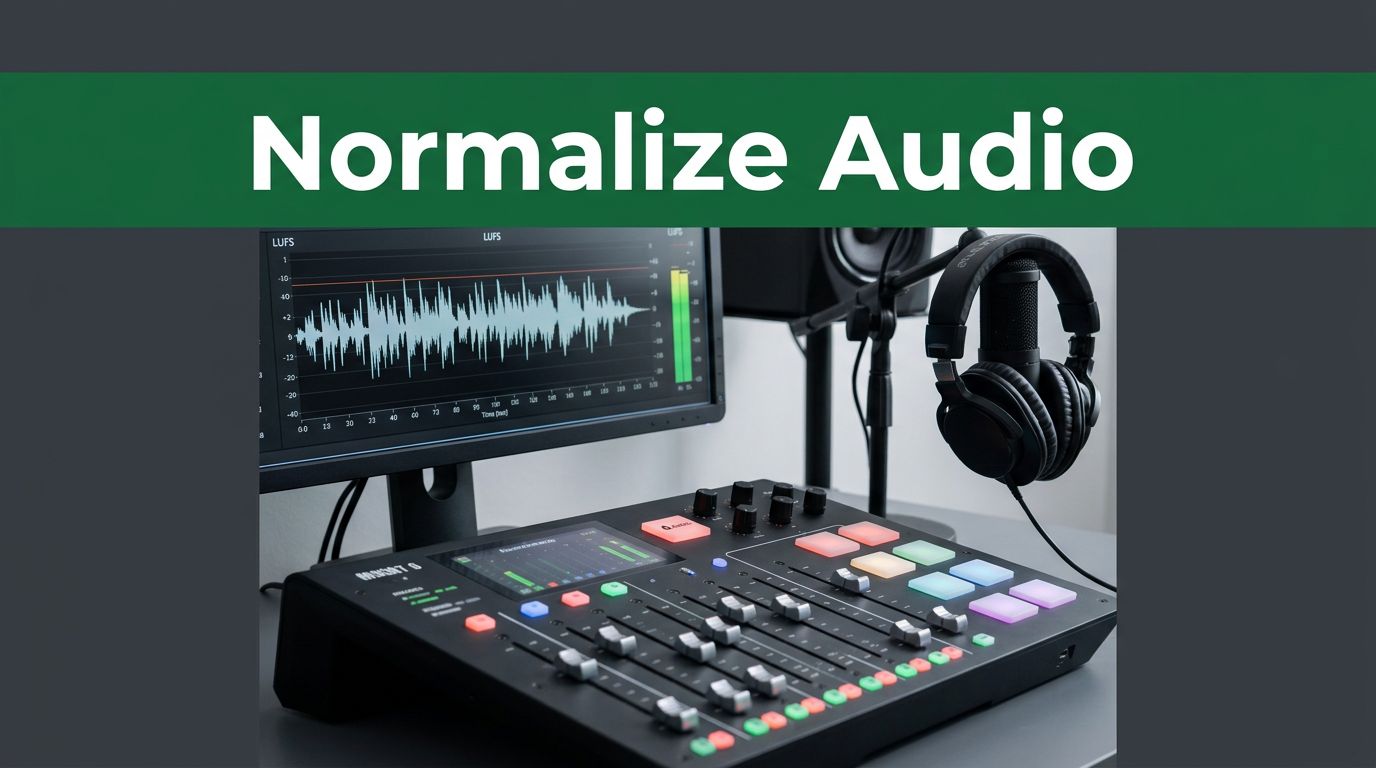
A podcast can sound clean in your editor and still play noticeably louder or quieter than other shows. The problem often starts with inconsistent mix levels, not with Transistor.fm itself. Using professional audio normalization software is essential to ensure your listeners enjoy a consistent experience, as this practice significantly improves the overall sound quality of
To download YouTube videos for Transistor.fm, keep in mind that a video is not automatically a podcast file. You need the legal right to reuse the content, a usable media file obtained through a reliable video downloader, and an upload format that Transistor.fm can process. The safest workflow is simple: download your own YouTube content
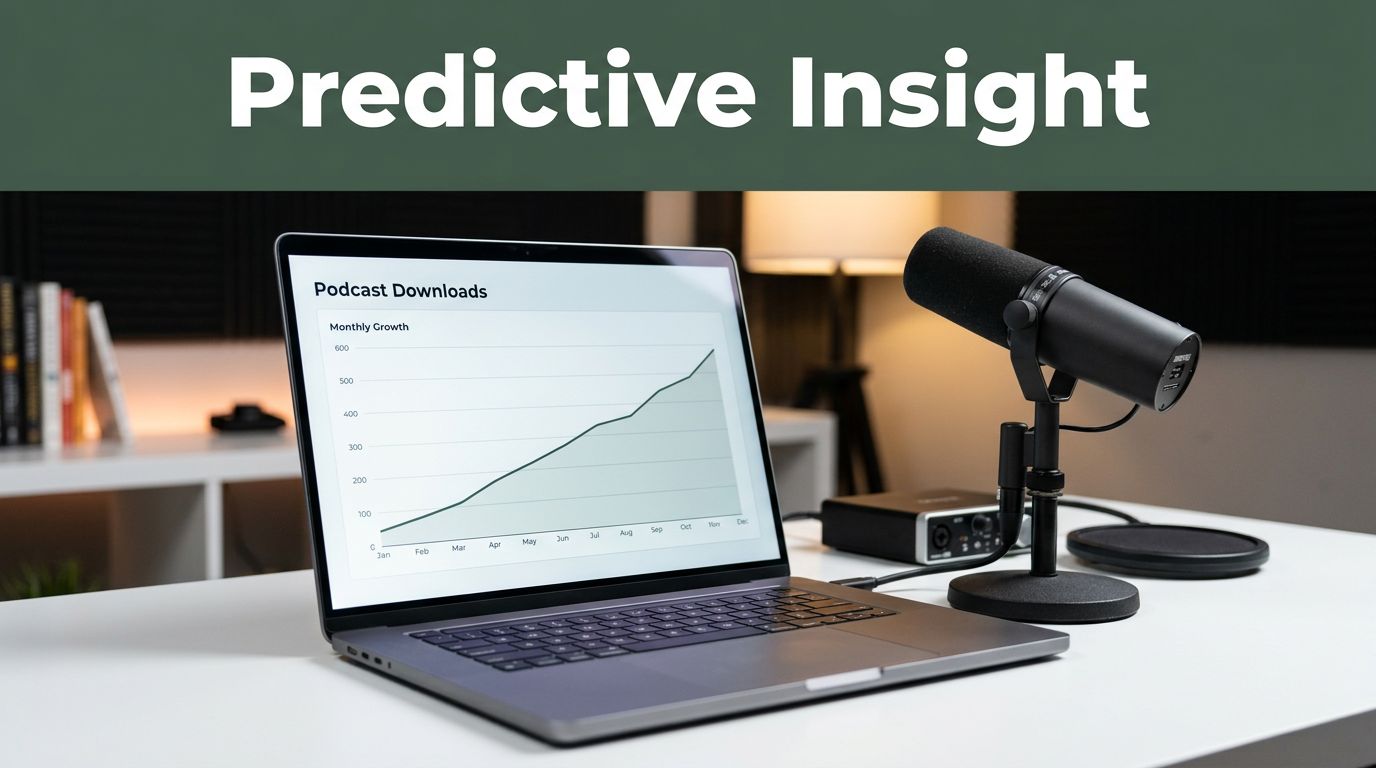
Podcast teams often want one answer from analytics: which episode should we publish next, and what result should we expect? While many professional teams search for advanced podcast analytics software to help with this, the reality is that most platforms focus on reporting past performance rather than future outcomes. Transistor.fm provides useful hosting and audience
Writing show notes after every recording can take longer than the episode itself. The work includes cleaning a transcript, finding useful timestamps, checking names, adding links, and formatting everything for publication to boost the discoverability of your episodes. AI podcast show notes can reduce that workload, but only when you give the model a reliable
