


Keeping pace with evolving rules is hard work. You don’t have time to refresh government portals or scroll through gazettes every morning to check if your compliance obligations shifted overnight. When laws change, your operations need to adapt fast. Using an automation platform like Twin.so helps you track updates across different official sources without manual


A health score is only useful when it changes what your team does. Health score tracking in Twin.so helps customer success teams connect account activity with renewal risk, adoption gaps, and expansion signals. The mistake is treating one number as the full customer story. A score can rise while usage stays shallow, or remain stable

Manual invoice work creates small delays that add up. You copy customer details, check completed work, calculate totals, create a document, then send it and update your records. You can automate invoice generation on Twin.so by turning that sequence into a repeatable workflow. Twin can handle the routine movement of information between approved tools while

Manual signature work creates delays long before a document reaches the signer. Operations teams copy data, prepare envelopes, check status, send reminders, and update the system of record. DocuSign automation workflows can remove those repeated steps when Twin.so has the right access and tools. Twin.so can coordinate work across applications through autonomous agents, but public
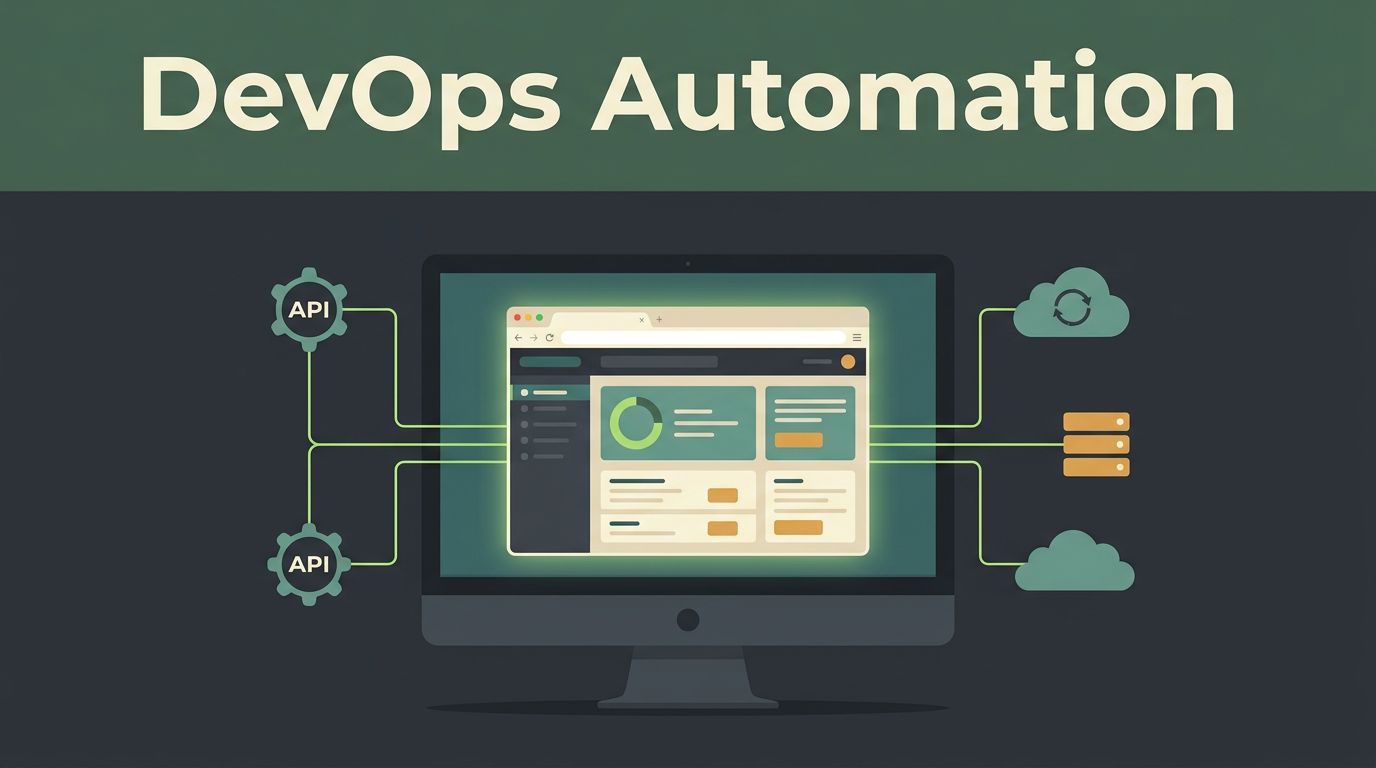
You inherit internal deployment dashboards, vendor portals, and legacy systems that completely lack clean APIs. When engineering teams need to orchestrate routine maintenance or extract monitoring telemetry from these closed systems, traditional scripting hits a wall. Twin.so provides a practical way around this bottleneck by using autonomous AI agents to operate web interfaces just like
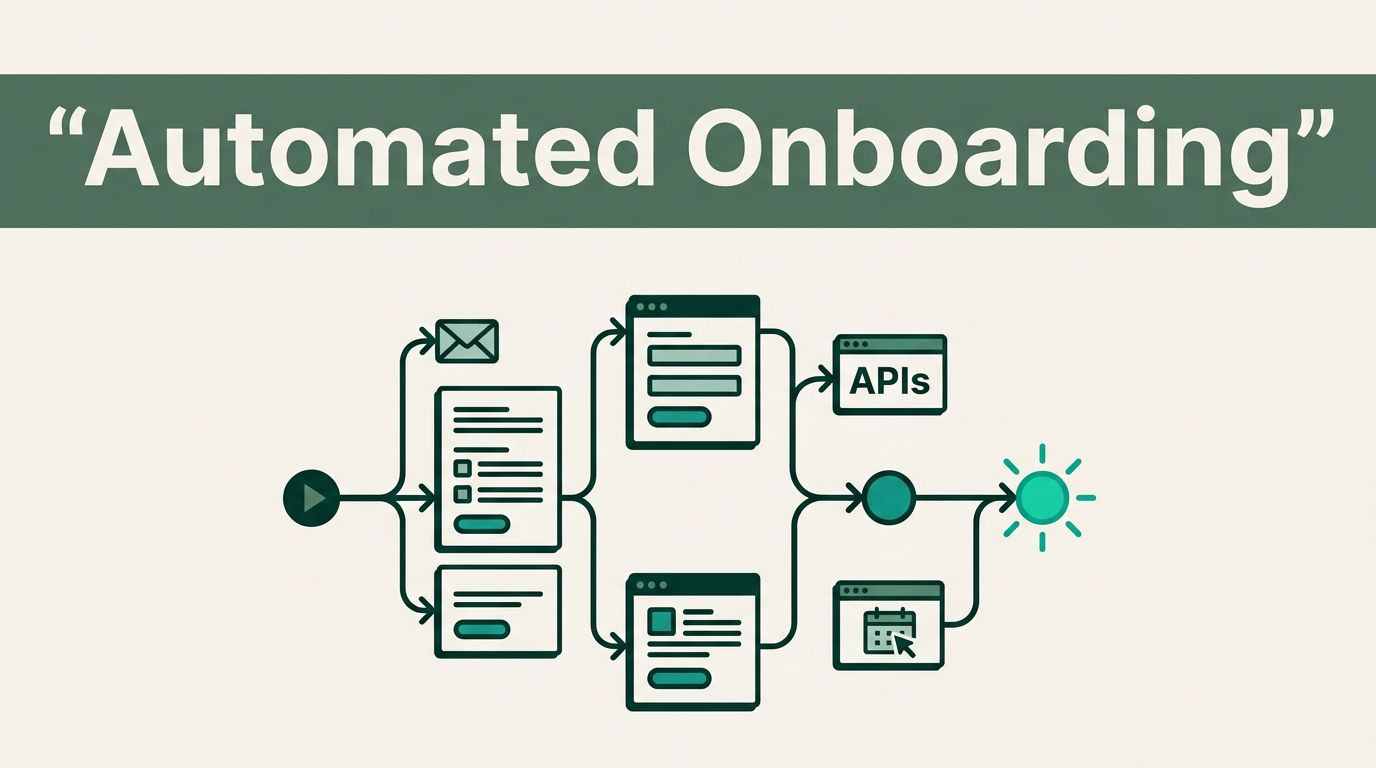
New users rarely leave because they dislike your product after one session. They leave because they never reach the first useful outcome. User onboarding automation helps you move each account toward that outcome without making your team repeat the same tasks every day. Twin.so can act as a workflow automation layer across email, forms, schedules,

I don’t want my team spending half a day copying screenshots, pasting logs, and asking the same follow-up questions. When a bug report lands in pieces, everyone pays for it later. That is why bug reporting automation matters. It cuts the busywork around intake, routing, ticket creation, and status updates, so support, QA, and product

A test suite can look calm on Monday and turn into a pile of red builds by Friday. When that happens, the problem is often not the product. It’s the automation layer. I still respect Selenium, but I don’t treat it as the default answer anymore. If my team spends more time fixing locators, waits,

I use Twin.so when I want repetitive server admin work handled without losing control of the process. It can check logs, watch services, collect disk data, and send alerts, as long as I keep the workflow narrow and the permissions tight. That matters because server administration has two very different kinds of work. Some jobs

