Scaling Cold Email Automation With Twin.so
Cold email automation often feels like a balancing act. You need high volume to reach enough prospects, but you also need enough personalization to actually get a response. If you push too hard, your emails end up in the spam folder. If you...
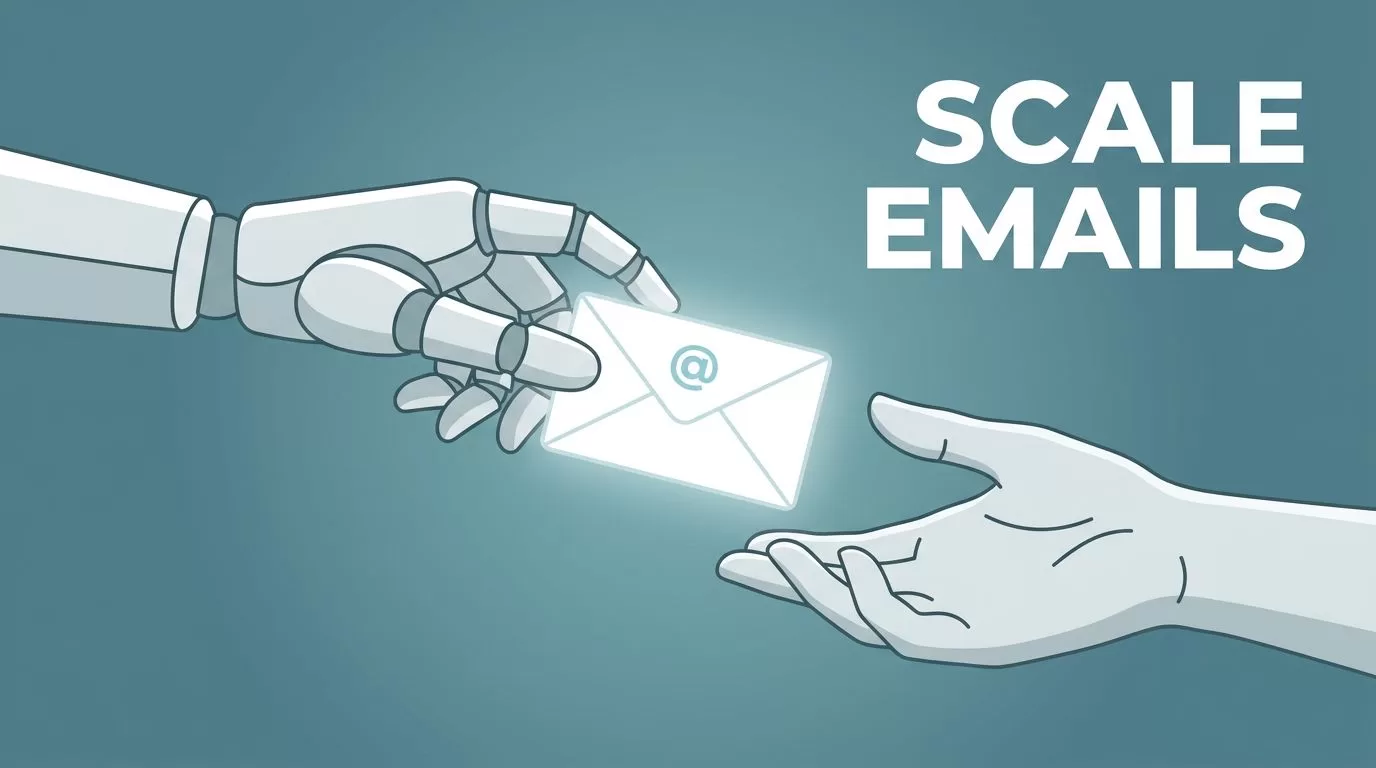
Cold email automation often feels like a balancing act. You need high volume to reach enough prospects, but you also need enough personalization to actually get a response. If you push too hard, your emails end up in the spam folder. If you play it too safe, your team spends all day on manual data entry instead of closing deals.
Scaling effectively requires moving away from static, rigid templates. It demands an approach that mirrors how a human researcher would gather data, synthesize it, and draft a message. I often find that the bottleneck isn’t the sending capacity of my inbox; it’s the time required to turn raw lead lists into meaningful, context-rich outreach. This is where AI agents become essential for growing your outbound engine without sacrificing quality or domain health.
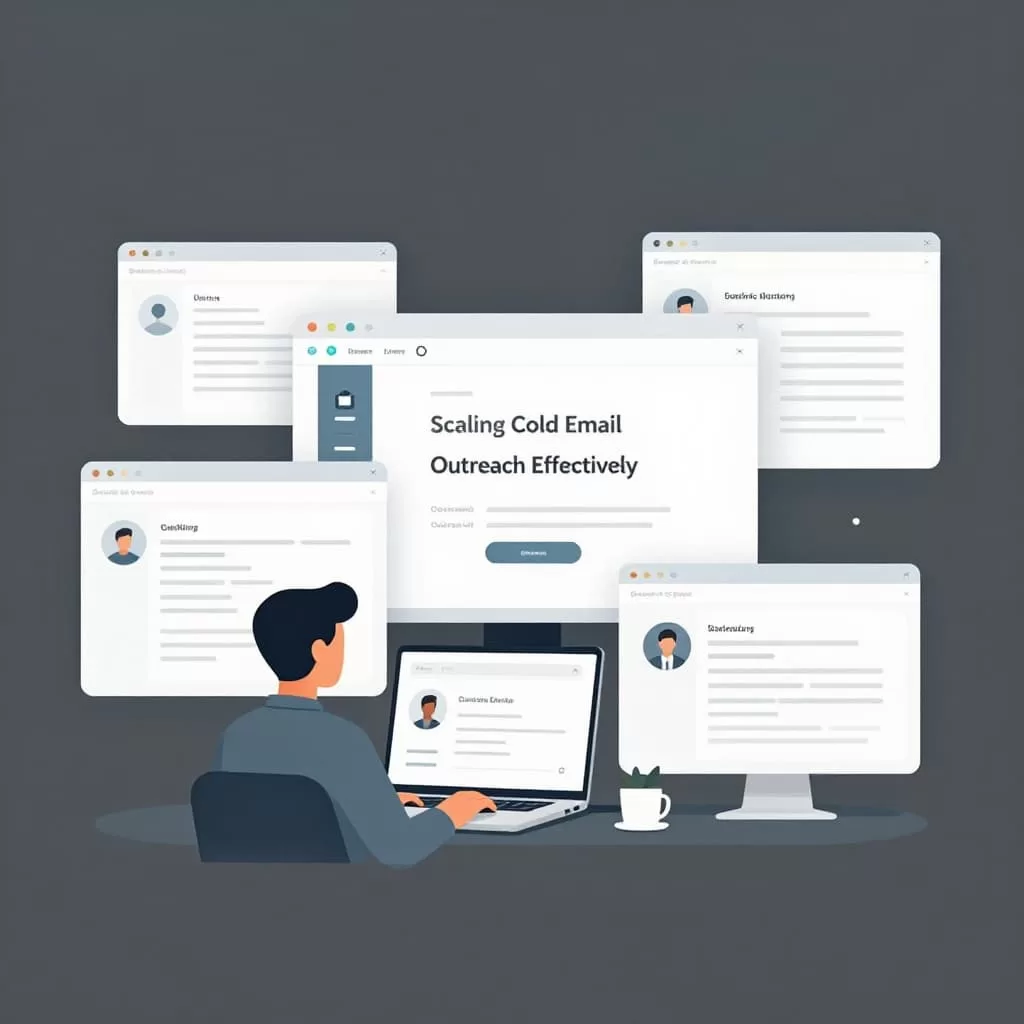
Scaling Cold Email Outreach Effectively
When you scale, the trap is treating every lead as a generic row in a spreadsheet. Modern deliverability demands that you maintain consistent, low-volume behavior across many different accounts rather than spamming from one. You also need to verify that your outreach is actually relevant to the person you are contacting.
I use Twin.so to automate these research tasks because it interacts with the web just like a person. Instead of relying on APIs that might not exist for every niche site, I can have an agent visit websites, pull recent funding news, or extract team structures. This information feeds directly into my email sequences. By automating the discovery phase, I ensure that my outreach feels like a conversation rather than a bulk blast.
If you want to maintain high inbox placement, you must avoid sudden spikes in volume. As highlighted in the 2026 cold email deliverability checklist, starting with low volume and increasing it gradually over several weeks is a non-negotiable step. Tools like this allow me to coordinate that ramp-up across various mailboxes automatically. It is a smarter way to protect your domain reputation.
Operational Efficiency Through Agent Automation
Manual data movement between your CRM and your inbox is a major time sink. Every second your sales team spends copying a contact’s title or finding their LinkedIn profile is a second they aren’t having a discovery call. I treat this as an infrastructure problem. By deploying agents to handle the grunt work, I turn my outbound team into an intelligence unit rather than a data entry team.
You can learn more about how to structure these types of recruitment workflow automation processes to understand the logic behind moving data between systems efficiently. The core principle remains the same whether you are hiring or prospecting. You define the trigger, such as a new lead appearing, and the agent carries out the sequence of actions.
When your email system is siloed from your research tools, your data goes stale quickly. Using an agent-first approach keeps your CRM updated in real-time. If an agent detects a lead has changed roles while searching for contact info, it can update your records before your next scheduled sequence fires. This keeps your outreach clean and focused on current contacts.
Protecting Your Sending Reputation
Maintaining a clean reputation requires strict adherence to sending limits. While Google Workspace allows for higher daily thresholds, those limits aren’t meant for cold outreach. Expert guidance often suggests a practical limit of 30 to 50 emails per day, per mailbox, to stay safely within the norms of healthy email providers. If you need to scale, the right move is horizontal expansion rather than vertical intensity.
As noted in a playbook for cold email deliverability, the infrastructure strategy of using multiple mailboxes per domain is standard for high-performance teams. This prevents your entire domain from being blacklisted if one account flags a spam complaint. Automation helps here because it keeps the sending volume strictly distributed across these accounts. It prevents the human error of pushing one inbox too hard.
IP and domain segmentation effectively isolate risk by distributing activity. When you manage dozens of inboxes, monitoring each one manually is impossible. I rely on autonomous agents to monitor performance trends. If an agent notices open rates dropping on a specific mailbox, it can pause that sequence, notify me, and switch to a backup, preventing any significant dip in overall campaign results. For more details on protecting your system, refer to this guide on cold email deliverability strategies.
Testing and Iteration Cycles
No email campaign is perfect on day one. You need to test different subject lines, opening hooks, and calls to action to see what moves the needle. Many teams struggle here because A/B testing requires constant manual monitoring and data syncing. By integrating your testing directly into your workflow, you can move faster.
For those who need to improve performance across the board, knowing how to run no-code A/B tests on your landing pages can also provide data points that help refine your email messaging. When you understand what language converts on your site, you can replicate that voice in your cold outreach. It creates a cohesive experience for the prospect from the first email click to the final conversion.
To keep your experimentation process sharp, I suggest these practices:
- Segment your lists strictly: Send identical variants to identical segments to ensure your data isn’t biased.
- Automate the reporting: Set agents to pull engagement metrics into a central dashboard every morning.
- Iterate weekly: Don’t let tests run indefinitely. If a variant hasn’t produced clear results in a week, kill it and test a new hypothesis.
Final Thoughts
Scaling cold email outreach is not about finding better blast tools; it is about building a better infrastructure for research and deliverability. By using AI agents to handle the research, data entry, and monitoring, you allow your team to focus entirely on the strategy and the conversations that follow. You effectively turn a high-volume, low-quality task into a precise, targeted, and sustainable engine for growth.
Always remember that deliverability is a long game. The effort you put into managing your sending volume and domain health today will pay off in higher engagement rates for years to come. Focus on building an automated system that prioritizes the prospect’s inbox health just as much as it prioritizes your response rate. This dual focus is what separates successful outbound teams from those constantly battling spam filters and poor reputation.
