Course Affiliate Marketing with MemberSpace
A course can be excellent and still stall if only your own audience sees it. I use course affiliate marketing to widen that reach, because a trusted partner can sell better than another cold ad ever will. MemberSpace makes the protected-con...

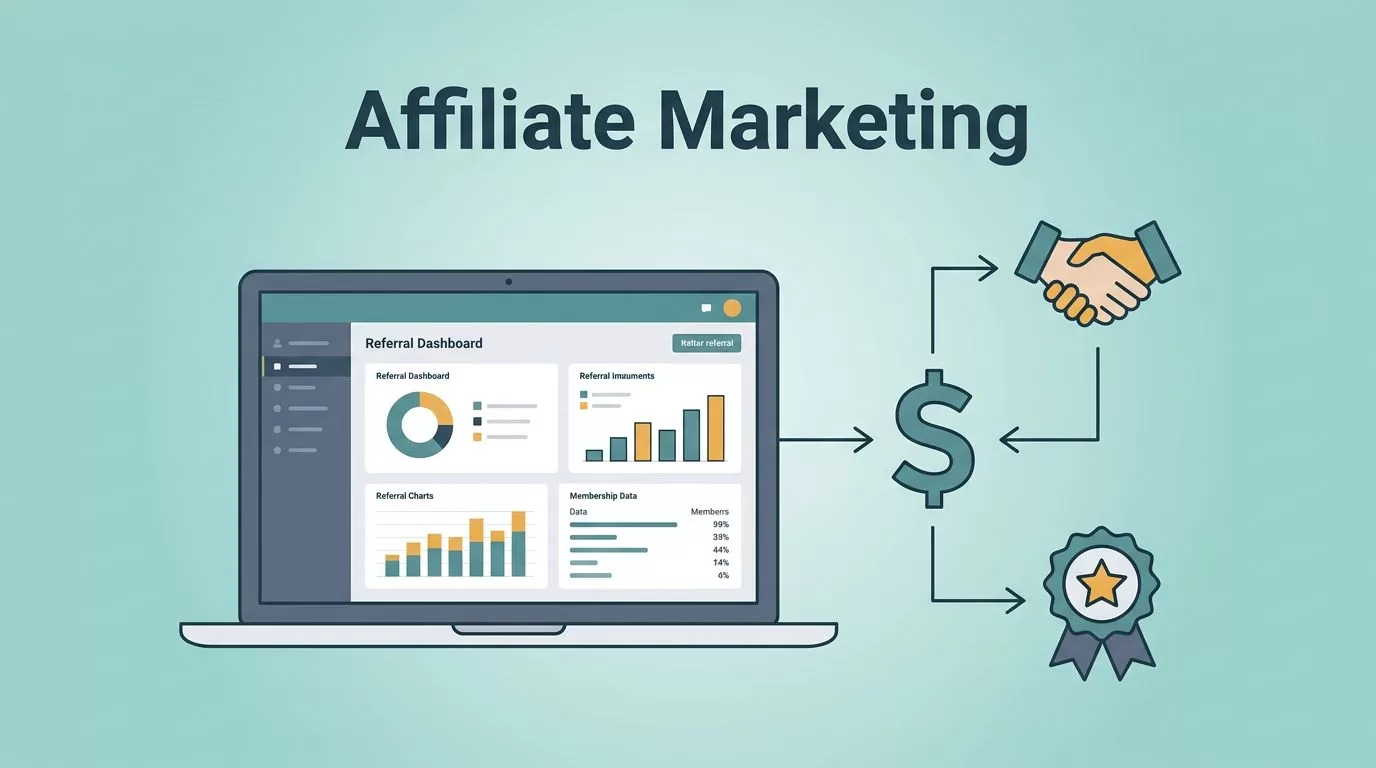
A course can be excellent and still stall if only your own audience sees it. I use course affiliate marketing to widen that reach, because a trusted partner can sell better than another cold ad ever will.
MemberSpace makes the protected-content side easy. The referral side needs a clear system, though. I want commissions that make sense, tracking that stays clean, and a setup I can explain in one sentence.
Why I pair MemberSpace with Rewardful
MemberSpace does not run a built-in affiliate program on its own, so I treat Rewardful as the referral engine. That matters because I want payment data, commission rules, and affiliate reporting tied to the same Stripe account I already use for the course.
Before I touch commissions, I usually check my MemberSpace pricing guide so I know how much room I have for payouts. When I map the protected lessons, bonus files, or member-only resources, I use the same logic I wrote about in my MemberSpace podcast membership guide, because the content gate follows the same basic pattern.
The setup is simple once I stop overthinking it. I connect Stripe first, then I connect Rewardful inside MemberSpace, and then I test the whole purchase path myself.
Set up the referral stack without guesswork
I keep the setup in a straight line so nothing breaks later.
- I sign up for Rewardful and connect the same Stripe account that handles MemberSpace payments.
- In MemberSpace, I go to Customize, then Integrations, then Rewardful.
- I paste the Rewardful API key from Company settings.
- I click Integrate with Rewardful.
- I create a test purchase and confirm the referral appears in Rewardful.
That single test saves me from a lot of trouble later. If the tracking breaks, I do not want to discover it after a launch week with 40 sales missing commissions.


I also set the rest of the referral plumbing before I invite anyone. That means a campaign name, a public landing page, and a clear page that says what the affiliate can promote. If I skip that step, partners start guessing, and guessing is expensive.
A good affiliate page answers four things fast. It tells people what the course is, what they earn, when they get paid, and what they cannot do. I also add a plain disclosure sentence so partners know they need to disclose the relationship in email, social posts, or video descriptions.
Pick commission rules that fit the offer
A commission rate should match the economics of the course, not my excitement on launch day. For a subscription course or membership, I usually think in recurring percentages. For a one-time cohort or premium course, I think in a single sale payout.
I often start near 25% for a solid course offer, then adjust after I look at margins, refunds, and lifetime value. If the course is expensive and support-heavy, I go lower. If it is low-touch and has a strong conversion rate, I can be more generous.
For a quick comparison, I keep this simple.
| Commission model | When I use it | What it looks like |
|---|---|---|
| Flat recurring percentage | Membership-style courses and ongoing access | 20% to 30% on repeat payments |
| Tiered commission | When I want to reward top partners | 20% to start, then 30% after a sales target |
| Double-sided coupon | When I want a buyer nudge too | Affiliate gets paid, student gets a discount |
If I offer a coupon, I create it in MemberSpace under Pricing, then Manage Coupons, then Create Coupon. I keep the coupon tied to recurring or multiple payment plans when the offer is subscription-based, because that keeps the structure clean in Rewardful.
For a broader look at incentive design, I like Adobe’s affiliate marketing guide. The same ideas show up in course sales, especially when top partners need a reason to keep promoting after the first burst of attention.
One rule stays non-negotiable for me. I do not pay commissions on self-referrals. I also block paid search ads on my brand terms unless I have a specific reason to allow them. Otherwise, I end up paying for traffic I could have won myself.
Recruit affiliates who already trust your work
I get better results from people who already understand my audience. That usually means past students, coaches, newsletter writers, niche bloggers, YouTube creators, consultants, and agency partners who place my course in front of the right buyers.

When I want a course-specific angle, I like the practical examples in KWIGA’s online course affiliate marketing guide. It lines up with what I see in real programs, where useful positioning beats flashy promises.
I also think about where my partners already talk to people. These channels work best for me:
- Blog posts that solve one clear problem and point to the course.
- Email newsletters with one honest recommendation.
- YouTube videos that show the result before the pitch.
- Social posts that use the creator’s own story.
- Client onboarding emails for consultants and agencies.
I keep the outreach short. I say who the course is for, why their audience would care, and what support I provide. I also send a small partner kit with a sample email, a few post ideas, and a simple talking point or two.
If I work with agencies, I treat MemberSpace’s Agency Partners program as a separate lane. It has its own economics, and the handoff is cleaner when I do not mix agency relationships with standard course affiliates.
I make onboarding feel like a welcome, not a contract dump. The first email gives them the link, the offer, the payout terms, and one or two easy ways to promote. The second email gives them more ideas after they have time to think.
Track referrals, sales, and refunds together
Rewardful gives me the referral data, but I do not stop there. I check which affiliates drive actual purchases, which ones create refund-heavy sales, and which ones bring customers who stick around.
That last part matters more than most people admit. A sale that refunds in a week is not the same as a sale that renews for six months. So I keep an eye on both affiliate revenue and refund behavior before I raise commissions.
If a partner sends traffic but the refunds climb, I look at the sales message, the landing page, and the first lesson. Usually the problem is not the affiliate. It is the promise I made or the onboarding I wrote.
I also review the numbers on a schedule, not in a panic. Monthly is usually enough for me unless I am in launch mode. During a launch, I check progress every few days so I can see who needs extra assets and who needs a better pitch.
The metrics I watch most are simple:
- referral clicks
- conversion rate
- first-payment revenue
- recurring revenue from referred members
- refund rate
- payout total per affiliate
If I need to pay people in batches, I use Rewardful’s payout tools instead of sending one transfer at a time. That saves time and keeps the records easier to audit later.
For course creators, coaches, and membership owners, this is the part that keeps the program healthy. I am not chasing vanity traffic. I am watching whether each referral turns into a student who stays.
Keep the program easy to explain
My best affiliate programs sound boring in the best way. They are easy to understand, easy to join, and easy to keep promoting.
I keep my rules short, because long rules scare people away. If I need a separate terms page, I make it plain. No jargon, no hidden gotchas, and no vague language about “special opportunities.”
I also refresh the partner kit every so often. A new testimonial, a fresh case study, or a better hook can revive a program that has gone stale. If the course changes, I update the affiliate assets at the same time.
A simple system beats a clever one here. I want people to know exactly what to say, what link to use, and what they earn. Once that is clear, promotion gets much easier.
Conclusion
I get better results when I treat course affiliate marketing like an operations problem, not a wish. MemberSpace handles the protected course access, Rewardful handles the referral math, and Stripe keeps the payment record clean.
The strongest programs I build always have the same traits. They use a fair commission, a short onboarding path, clear disclosure rules, and regular tracking that includes refunds as well as sales.
If I were starting today, I would launch one course, set one campaign, test one referral end to end, and recruit five people who already trust my work. That is enough to prove whether the program can pay for itself before I scale it.

