How I Automate Ecommerce Orders with Twin.so
You know that moment when a rush of orders hits your store? I used to scramble through emails, update sheets, and chase fulfillment partners manually. It ate hours every day. Now, ecommerce order automation handles it all for me with Twin.s...

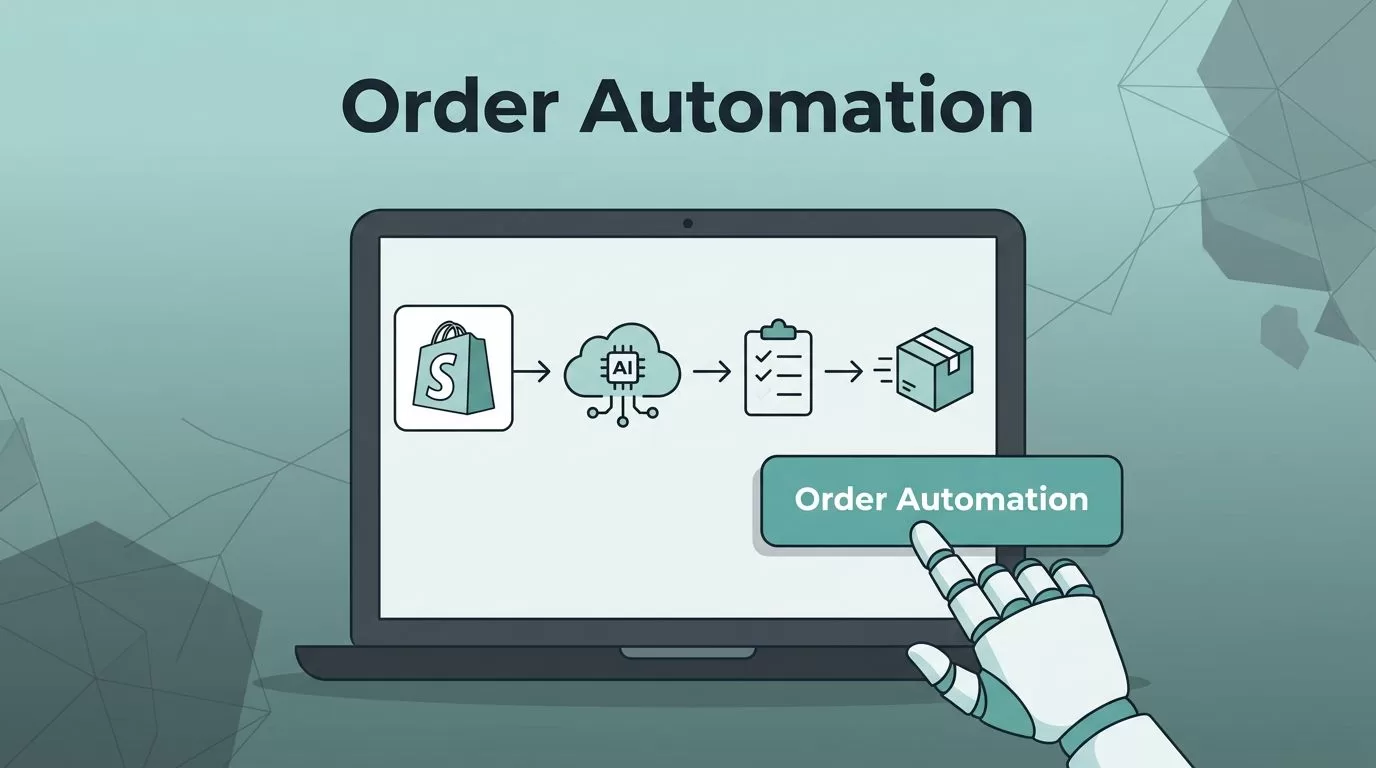
You know that moment when a rush of orders hits your store? I used to scramble through emails, update sheets, and chase fulfillment partners manually. It ate hours every day. Now, ecommerce order automation handles it all for me with Twin.so. This no-code AI tool builds agents that process orders, check stock, and notify customers without a single line of code.
I run a small dropshipping operation, and Twin.so cut my order handling time by 70%. You can do the same. Let me walk you through how I set it up and the workflows that keep things running smooth.
Why Twin.so Fits My Ecommerce Needs
Twin.so stands out because it connects to tools I already use, like Shopify and Google Sheets. Agents run on schedules or triggers, so they react to new orders instantly. No more logging in at midnight to fix stock issues.
For example, I tell the orchestrator chat: “Watch for new Shopify orders, check inventory, and alert Slack if low.” It builds the agent in minutes. Costs stay low too. Building uses more credits, but runs are cheap, often 3-10 times less. I pay only for what executes.
Recent updates make it even better. Community agents for ecommerce let me clone ready-made bots for pricing or inventory. Check out Twin’s use cases for ecommerce to see similar setups. In my case, it processes invoices with OCR, flags mismatches, and syncs to QuickBooks. Reliability comes from preferring APIs over browser automation when possible.
This setup scales as orders grow. I started with 50 a day; now it’s 300 without extra staff.
Quick Setup for Order Automation
Getting started takes under 20 minutes. I sign up at Twin.so, create a workspace, and open the orchestrator. No installs needed.
First, connect accounts with one-click OAuth. I link Shopify, Slack, and Sheets. Then describe the agent: “Every new order in Shopify, pull details, log to Sheet, check stock via API.” The AI plans steps, asks for tweaks, and builds it.
Test in run mode. It grabs order ID, customer info, items, then updates my inventory sheet. If stock dips below 10, Slack pings me. Done.

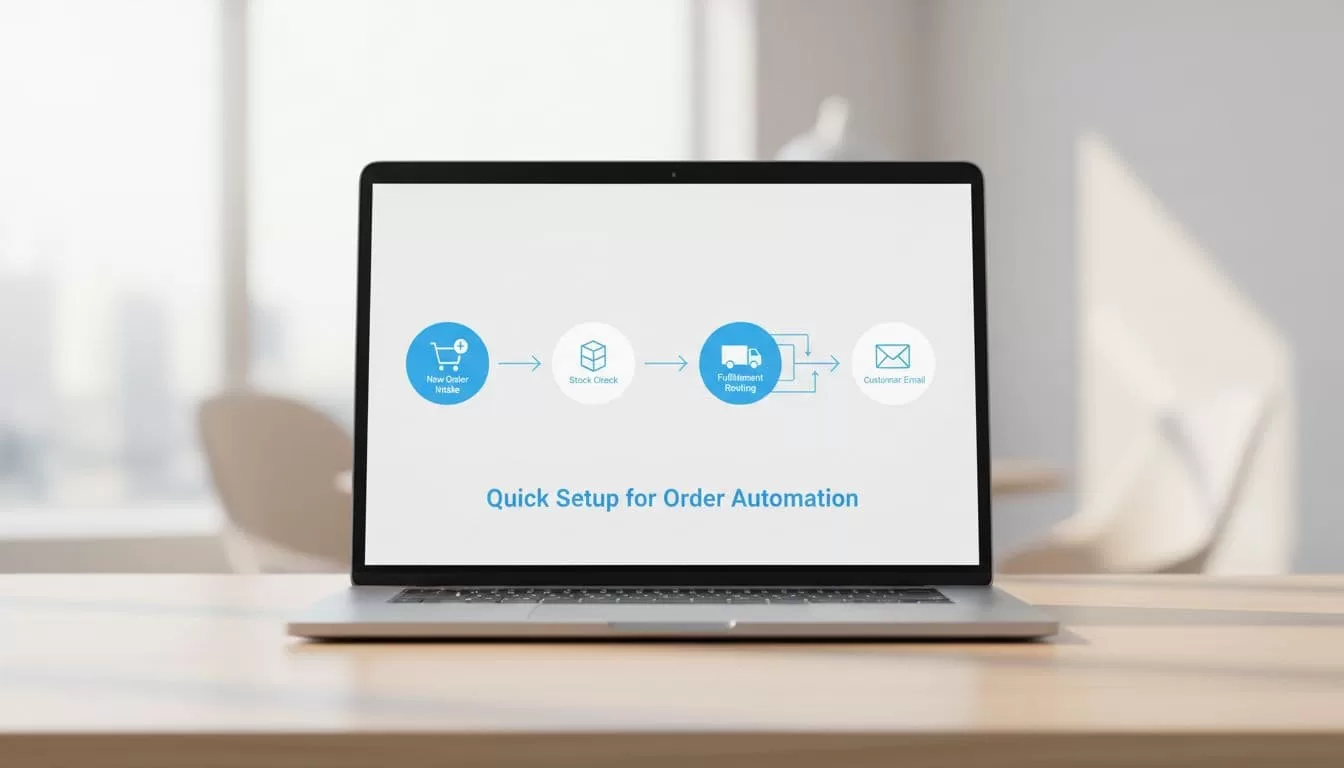
This flow catches 95% of orders automatically. For the rest, like custom items, it flags for review. Follow the Twin quickstart guide for your first agent. I adapted their example for hourly order scans.
Pros: Zero code, visual chat to refine. Cons: Heavy browser tasks cost more credits. I stick to APIs.
Streamlining Order Routing and Fulfillment
Once orders enter, routing them right saves headaches. I use Twin.so agents to split by location or carrier. High-volume items go to my main warehouse; others to dropship partners.
The agent checks order details, matches rules (like ZIP code or product type), then emails fulfillment instructions or hits their API. Inventory syncs live. A sale triggers a sheet update; restock arrival reverses it.
For dropshipping, I pull trending dropshipping products data into Sheets. Twin.so scans it, routes to AliExpress suppliers if in stock. Exceptions pop up, like delays.


One agent runs daily at 9 AM: Reviews pending orders, pings partners, updates tracking in Shopify. Result? Fulfillment time dropped from 48 to 24 hours. Triggers make it reactive too. A webhook from Shopify launches it on new sales.
Browser agent steps in for no-API partners. It logs in, fills forms, submits. Reliable enough for 80% of cases, but I monitor first runs.
Customer Notifications and Exception Handling
Customers hate radio silence. My Twin.so agent sends emails at key stages: order confirmed, shipped, delayed. It pulls tracking, personalizes with names, and logs sends.
Exceptions get priority. Low stock? Agent holds order, emails alternatives, refunds if needed. Returns trigger inventory bumps and supplier credits.
I set rules like: If delay over two days, notify customer and me. OCR reads supplier emails for updates. All flows back to a master Sheet for ops review.

This cut support tickets by half. Use event triggers for real-time alerts. See Twin’s triggers docs for schedules versus webhooks.
In practice, a big sale weekend tested it. 150 orders flowed smooth; only three needed manual tweaks.
Conclusion
Twin.so turned my chaotic order process into a reliable machine. Agents handle intake, routing, fulfillment, notifications, and fixes without constant oversight. I reclaim time for growth, like testing new niches.
Start small: Build one agent for order logging. Scale from there. Your store runs better when automation does the grunt work.
(Word count: 982)

