Evaluating Mida.so for Conversion Rate Optimization
If you run growth marketing for an ecommerce brand or SaaS product, you know the frustration of bloated software. Traditional A/B testing suites often come with heavy script weights and clunky user interfaces that slow down your development...

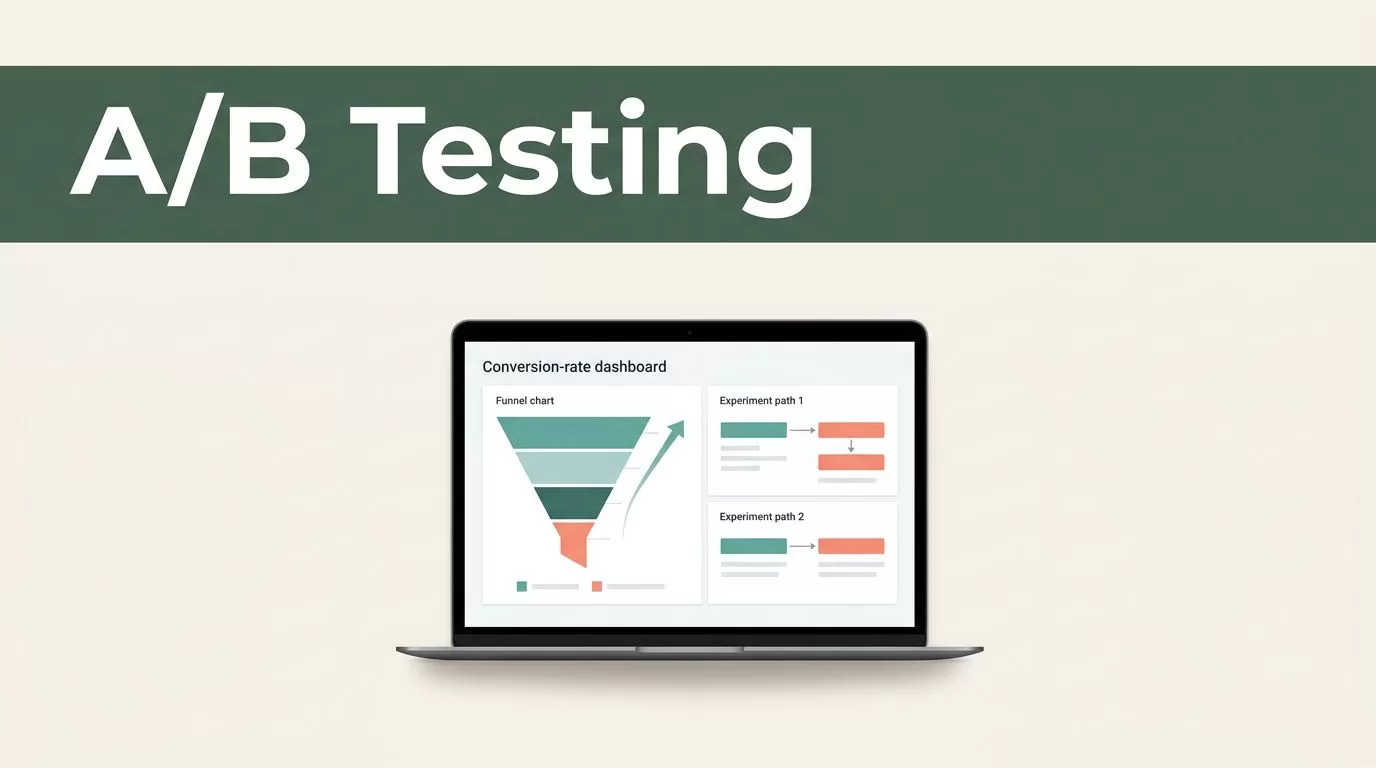
If you run growth marketing for an ecommerce brand or SaaS product, you know the frustration of bloated software. Traditional A/B testing suites often come with heavy script weights and clunky user interfaces that slow down your development team. Marketers frequently look for lightweight alternatives that allow them to launch tests without writing custom code or waiting for engineering queues. That search often leads to Mida.so – AI-Powered Lightweight A/B Testing Platform, a tool designed specifically for fast experimentation and website personalization.
Reading Mida.so reviews across software listing sites reveals a clear pattern among digital agencies and conversion rate optimization specialists. Users appreciate the blistering speed of the platform once the tracking script is installed. At the same time, operators want to know if the feature set scales for high-traffic environments or if the pricing models fit their growth stage. This breakdown examines what actual users say about Mida, how its features stack up in daily testing workflows, and whether it fits your optimization stack.
Key Takeaways
- Mida.so is a lightweight A/B testing and personalization platform built for marketers and agencies who want to run experiments without developer bottlenecks.
- The platform offers a free sandbox tier alongside paid plans that start at $299 per month on annual billing.
- Real user reviews highlight fast script execution and an intuitive visual editor, though some teams note it is not a full-scale product analytics suite.
- Setting up successful experiments requires clear hypotheses, reliable traffic segmentation, and careful review of revenue metrics alongside conversion rates.
What Users Love About Mida.so
When you read software feedback on platforms like Capterra, the most common praise centers on speed and simplicity. Traditional testing tools often inject heavy JavaScript libraries that drag down page load times and hurt user experience metrics. Mida keeps its script footprint small, which helps maintain high performance across tested landing pages. Growth marketers appreciate being able to deploy split tests in minutes rather than filing tickets with engineering teams.
Another frequently cited advantage is the visual editor. You can modify copy, rearrange elements, and test alternate layouts directly in your browser. For teams managing multiple client websites or high-volume ecommerce stores, this accessibility removes common workflow bottlenecks. You don’t need a dedicated front-end developer to launch a simple CTA test or swap out hero images.
A common insight from conversion specialists: Speed matters as much as the test result. A winning variation loses its value if the testing script slows down page rendering and depresses baseline conversions.
The platform also supports advanced targeting rules and URL redirects. If you run paid acquisition campaigns, you can direct traffic from specific ad groups to tailored landing page variations. This level of personalization helps align visitor expectations with the exact offer they clicked, driving higher engagement rates across different marketing channels.
Core Features and Testing Capabilities
Beyond basic split testing, Mida includes features designed for modern growth teams. You can configure multivariate tests, set up custom JavaScript and CSS overrides, and deploy feature flags. The platform integrates natively with analytics tools like Google Analytics 4, allowing you to push experiment data directly into your existing reporting dashboards without complex webhook setups.

Ecommerce operators often use the URL redirect feature to test different pricing tiers or checkout flows. For example, you can split traffic between two product page URLs with different price points and measure revenue per visitor rather than just raw conversion rates. This capability gives you a clearer financial picture of how design or pricing changes impact your bottom line.
Pricing Structures and Free Tier Limits
Evaluating any software tool requires looking closely at cost. Mida offers a Sandbox plan that is permanently free for up to 100,000 monthly tested users, requiring no credit card and featuring no trial expiration date. This tier works well for smaller sites or teams wanting to test the platform before committing budget.
Paid plans start at $299 per month when billed annually, unlocking AI-assisted variant creation, unlimited experiments, advanced personalization, and feature flags. While third-party review directories sometimes list conflicting figures for intermediate plan tiers, the core pricing model remains accessible compared to enterprise suites that often demand five-figure annual contracts.
Common Criticisms and Limitations
No platform is right for every team. Reading critical feedback uncovers a few important limitations you should consider before implementation. Mida is built strictly for experimentation and personalization, meaning it does not replace comprehensive product analytics tools or deep user behavior recording software.
Some users also mention that while the visual editor handles standard layout changes well, complex web applications with heavy client-side rendering require custom JavaScript inputs. If your product relies on intricate single-page application frameworks, setting up tests demands more technical oversight than a simple drag-and-drop landing page edit.
How to Read Experiment Results Accurately
Running tests is only half the battle. A report needs more than a winning percentage to guide business decisions. You must start with your primary metric and compare the control against the variant under identical test conditions. Check whether your results remain consistent across important traffic segments. Mobile visitors, paid traffic, and returning users often respond differently to the same design change.
Review absolute numbers alongside conversion rates. A small percentage difference based on a handful of conversions should never drive a site-wide redesign. Ensure your sample size reaches statistical significance and your experiment runs long enough to capture weekly traffic cycles before you declare a winner and implement changes permanently.
Conclusion
Choosing an experimentation platform comes down to matching your technical resources with your campaign velocity. Mida.so provides a fast, lightweight alternative to bloated enterprise testing suites. It removes engineering roadblocks through a clean visual editor and straightforward pricing.
Take advantage of the free tier to test the script installation on a secondary domain today. Verify how quickly experiments deploy in your environment and check how cleanly the data syncs with your analytics stack. By starting small, you can validate the platform’s speed and usability before rolling it out across your primary revenue-generating pages.

