I don’t start with the biggest food delivery market. I start with the sharpest one.
When a niche is small but rising fast, it often gives me room to test, price, and market with more control. That is why I use food delivery niches as the first filter, then I check trend data before I spend time or money.
The goal is simple. I want demand that is visible, competition that is still manageable, and a menu that can survive delivery. That mix makes the difference between a busy launch and a dead listing.
How I use Exploding Topics to spot food delivery demand early
I start with Exploding Topics’ food startups page because it shows me where momentum is building before the space feels crowded. I care about both growth rate and search volume, because fast growth without interest can be a trap.
In April 2026, two names stand out in the food delivery space. Bare app shows about +400% growth with 210 monthly searches, while Phenix app shows +235% growth with 1,600 monthly searches. That tells me something useful. The market is not only getting attention, it is also pulling real search demand.
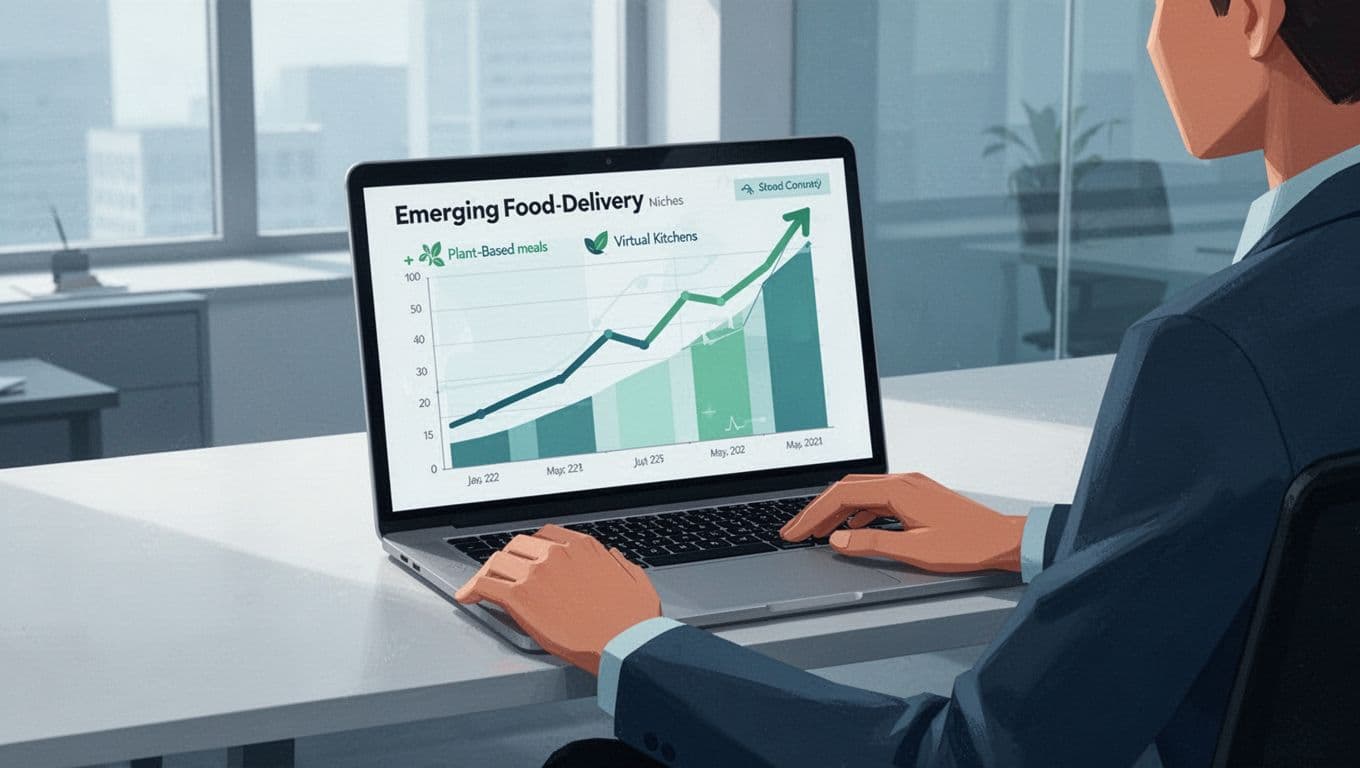
I read those signals like a map. Growth shows direction. Search volume shows interest. Then I look for the story behind the line.
When a startup or category rises inside Exploding Topics, I ask three things. Who is the buyer? What pain does the delivery model solve? And can the idea scale without a huge kitchen or a huge ad budget?
The food delivery niches I would watch in 2026
The strongest opportunities usually sit inside a narrower promise. That might be healthy meals, niche diets, or a delivery format that cuts waste. I don’t want a menu that tries to serve everyone.
One recent trend writeup on hyperlocal delivery trends matches what I see on the ground. People want food fast, but they also want it fresh, warm, and tailored to the moment. That pushes me toward smaller, local plays instead of broad restaurant clones.
Here are the niches I would keep on my radar:
- Ghost kitchens: These work well when the menu is built for delivery first.
- Specialty diets: Vegan, keto, gluten-free, and low-calorie meals still pull clear intent.
- Regional cuisine: Specific dishes from a region can travel better than broad “international” menus.
- Premium snacks and desserts: These can add high margins and easy upsells.
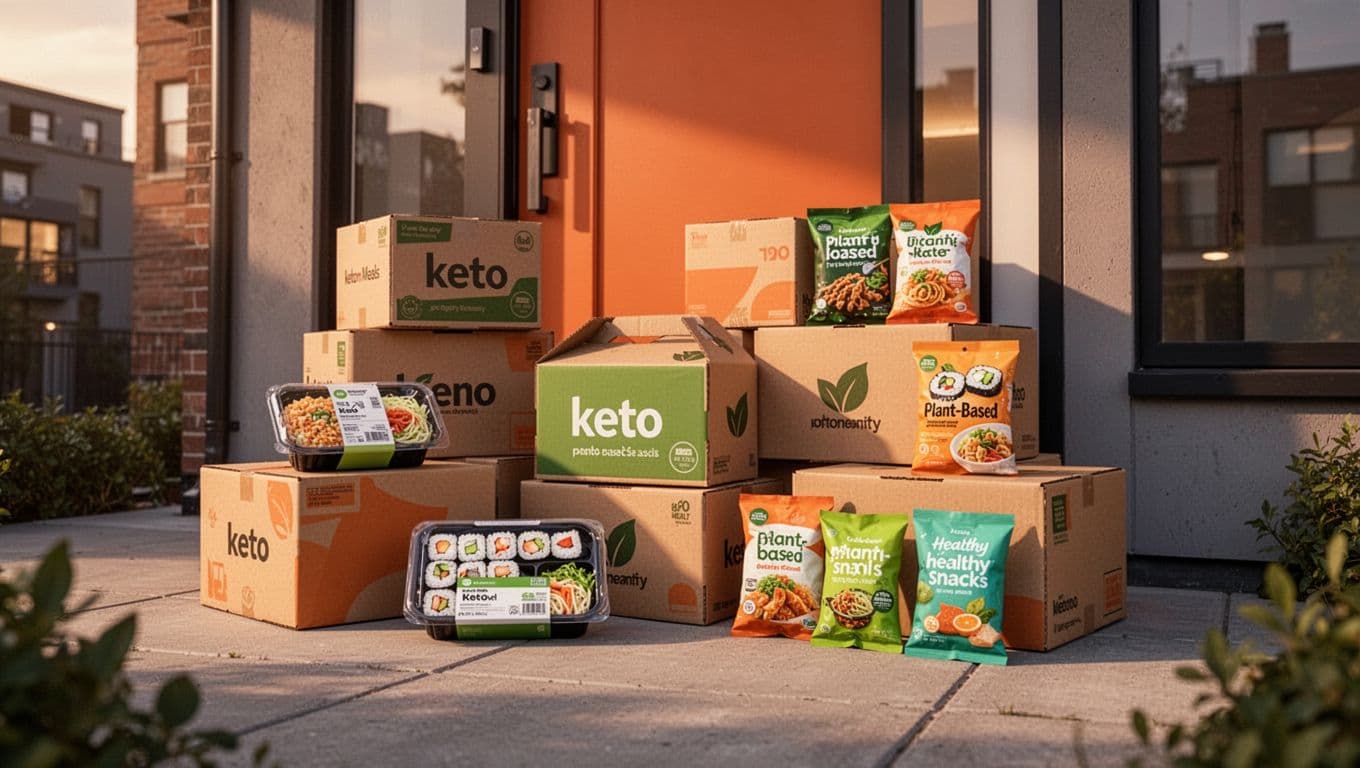
A separate food delivery industry trends for 2026 summary also points to ghost kitchens and AI-assisted ordering. That matters because tools can speed up ordering, but they don’t fix a weak offer. The niche still has to solve a real problem.
How I validate a niche before I launch
I never trust one trend line. A niche can grow fast and still fail if the economics are messy. I want evidence that the customer wants the food and will reorder it.
A fast-growing niche can still fail if the order math is ugly.
I usually check four signals side by side:
| Signal | What I look for | What it tells me |
|---|---|---|
| Trend growth | Rising interest over time | Demand may be early, not random |
| Search volume | Enough people are looking | The niche has real buyer intent |
| Delivery competition | Few strong specialty offers | There may be room to enter |
| Order economics | Good basket size and repeat rate | The model can make money |
I also read delivery app menus and reviews. If I see lots of generic options and lots of complaints about choice, timing, or quality, that tells me the market is open. If I see polished niche brands everywhere, I slow down and look for a tighter angle.
For me, the best validation also comes from local proof. A city with strong office lunch demand may support healthy meal plans. A neighborhood with younger renters may support late-night comfort food. A suburban area may reward family-sized bundles or weekly subscriptions.
Where the money comes from in narrow delivery plays
The best part of niche delivery is that the offer can be shaped around the buyer. I don’t need one giant menu. I need a profitable habit.
I usually think about monetization in four ways:
- Subscription meals for buyers who want routine and convenience.
- Ghost kitchen brands that test one concept without a dining room.
- Add-on sales like drinks, snacks, and desserts that raise order value.
- Corporate and group orders for offices, events, and team lunches.
This is where many operators win. They stop competing on “who can deliver food.” Instead, they compete on fit. A vegan lunch plan, a high-protein meal box, or a local comfort-food brand can all feel more personal than a giant menu.
I also watch the margin profile closely. Some niches create repeat orders but low profit. Others support higher prices but only sell once in a while. The sweet spot is a niche with decent frequency and a menu that travels well.
If I can pair a clear niche with low waste, fast prep, and strong reorders, I know I have something worth testing.
The real edge is timing
Exploding Topics helps me see a food delivery niche before it looks obvious. That matters because the earliest operators get more room to shape the category.
I still validate with search volume, competition, and real customer pain. But when those signals line up, I know I’m not chasing a trend after the crowd arrives. I’m testing it while the door is still open.
The strongest food delivery niches are narrow enough to own and broad enough to repeat. That is the balance I look for every time.