Google+ vs. Google Business Profile: The Real Story in 2026
You might still see searches for Google+ versus Google My Business. I get it. Old habits die hard, especially when you’re building a business online. But in May 2026, those names carry baggage from a different era. Google+ shut down y...
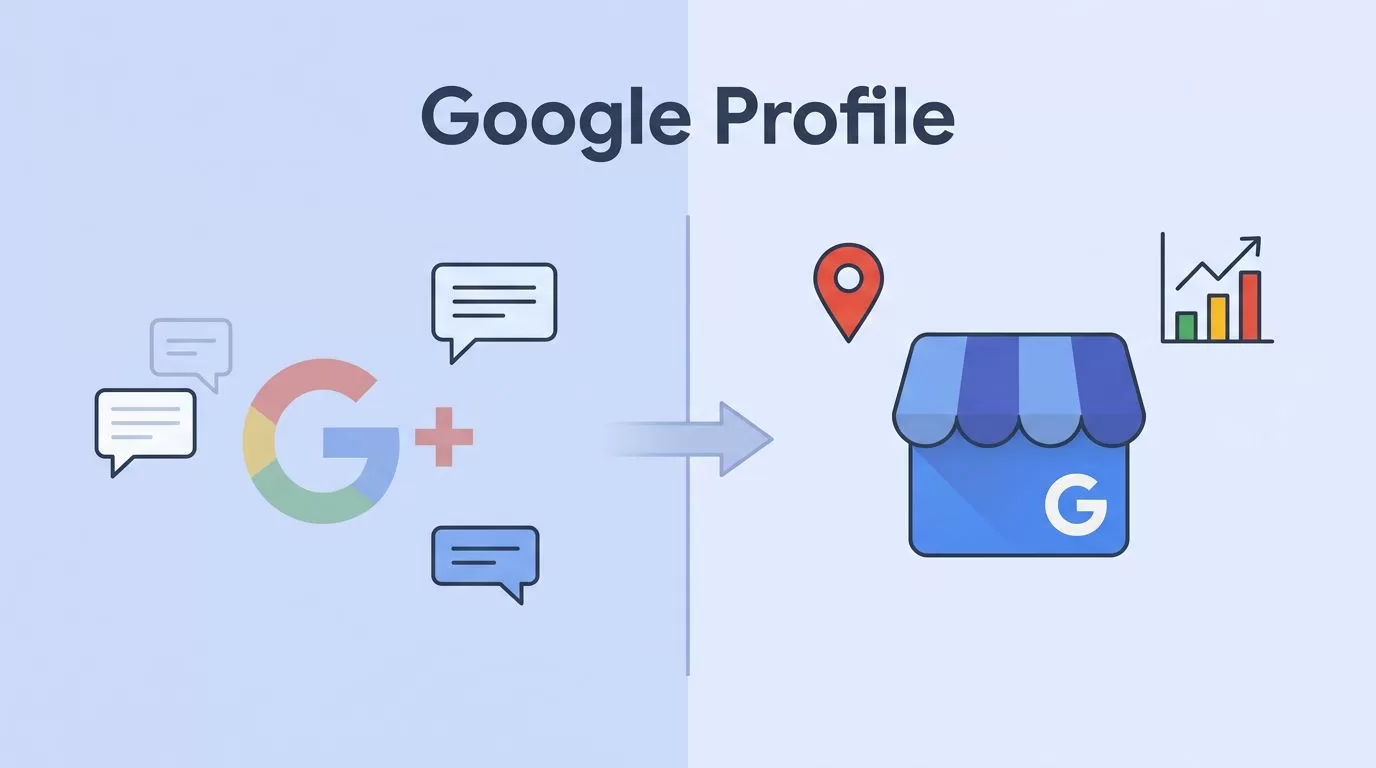
You might still see searches for Google+ versus Google My Business. I get it. Old habits die hard, especially when you’re building a business online. But in May 2026, those names carry baggage from a different era.
Google+ shut down years ago. Google My Business rebranded to Google Business Profile. Yet confusion lingers because outdated articles flood search results. Businesses waste time chasing ghosts.
I help teams with tools like CRM and automation. Let me clear this up. We’ll walk through the history, spot the differences, and focus on what works now for local visibility and customer reach.
Recalling Google+
I launched my first business profile on Google+ back in 2011. It felt like a fresh playground. Picture a quiet office desk, laptop glowing with feeds of posts, comments, and community shares. Connections buzzed through circles and hangouts.
Google+ aimed to weave social into everything Google. You built pages for brands. People joined circles for targeted updates. It promised a hub for photos, events, and real-time chats. Businesses posted news that stuck around on walls.
But it never caught fire. Users stuck to Facebook. Engagement dropped. By 2019, Google pulled the plug. Data migrated, but the social side vanished. No remnants linger in 2026 services.
Why remember it? Early Google+ fed into local listings. Places for Business merged in, laying groundwork for what’s next. If you’re migrating old data, check archives. Most don’t need to.

That social feed vibe? Gone. Yet it shaped tools we use today.
From Google Places to My Business
Google Places kicked off local search in 2010. Simple pins on maps with basic info. Then Google+ arrived. It blended social pages with those pins, creating Google+ Local.
I managed one for a client shop. Posts showed in searches briefly. Reviews piled up. But dashboards split: one for social, one for places. Clunky.
Google fixed that in 2014 with Google My Business. It unified everything. One login controlled listings, posts, insights, and Q&A. Posts appeared in search packs for a week. Reviews drove stars.
Businesses loved it. Free visibility in Maps and Search. I optimized dozens. Added hours, photos, replies. Traffic spiked. For example, a cafe saw 20% more footfall after fresh posts.
Yet Google kept tweaking. The app handled mobile edits. Web for bulk. It powered local SEO before “local SEO” boomed.
By 2021, cracks showed. Posts expired fast. Verification slowed. Still, it served millions.
Google Business Profile in Action
Google announced the shift in late 2021. Google My Business became Google Business Profile. The app retired in 2022. Profiles moved to Search and Maps directly.
Now in 2026, GBP rules. No separate dashboard for most. Edit your panel right in search results or Maps app. Simpler, they said.
I claim profiles for clients weekly. Log in via business.google.com. Verify with postcard or video. Tougher now; fraud checks block fakes. April suspensions hit hard, especially in California for mismatched info.
Freshness counts. No updates in 30 days? Visibility fades. Q&A vanished too. Reply to reviews instead.
See that pin glow? It pulls customers when you feed it right.
Posts still work. Schedule updates, offers, events. Attributes flag “wheelchair accessible” or “free Wi-Fi.” Insights track views, searches, actions.
For multi-locations, Business Profile Manager handles bulk. Single shops stick to Maps.
Core Differences Side by Side
Google+ chased social buzz. Profiles acted like Facebook pages. Posts lived forever. Circles targeted shares. Hangouts sparked chats. But low adoption killed it.
Google My Business focused local. Temporary posts in search. Heavy on reviews, photos, hours. No circles; public facing.
GBP builds on that. Deeper Maps integration. No app; browser or mobile direct. Posts persist longer if fresh. AI boosts relevant matches.
Here’s a quick comparison I use with teams:
| Feature | Google+ | Google My Business | Google Business Profile (2026) |
|---|---|---|---|
| Main Goal | Social networking | Local listings | Search/Maps visibility |
| Posts | Permanent on wall | 7-day in search | Ongoing in profile panel |
| Management | Separate social dash | Unified app/web | In Search/Maps |
| Status | Discontinued 2019 | Rebranded 2021 | Active, with freshness rules |
Google+ suited community builders. I tried it for events; meh results. My Business shone for shops. GBP fits all now, but demands upkeep.
No Google+ data carries over directly. Export reviews if needed. Start fresh on GBP.
Why Switch to GBP for Your Business Now
In 2026, ignore legacy names. GBP drives 50% of local paths. Customers search “coffee near me.” Your panel pops first.
I integrate it with stacks. Link to Google Workspace for email hosting so replies fly from custom domains. Automate posts via Zapier if you handle leads there.
Suspensions scare owners. Match NAP (name, address, phone) everywhere. Post weekly. Respond same day.
For B2B, like agencies I advise, GBP lists services. “Virtual consultations.” Pins multiple spots. Insights reveal top queries.
Costs? Free. Time investment pays. One client doubled inquiries after optimization.
Realtime tweaks hit: video verification mandatory for some. Mass appeals work if you prove legitimacy.
GBP isn’t perfect. Slow support. Glitchy bulk edits. But it’s the gatekeeper.
Conclusion
Google+ faded into memory. Google My Business evolved into Google Business Profile, the 2026 must-have for business visibility.
Stick to GBP. Keep it fresh. Watch insights. Your search presence strengthens customer trust and pulls real traffic.
Skip old comparisons. Build your profile today. It positions you where buyers look first.
(Word count: 1487)
