How to Transfer Money To El Salvador Bank Accounts With Remitly
Sending funds across borders doesn’t need to feel like an operational gamble. When you need to support family members, pay contractors, or settle accounts abroad, you want a straightforward pathway that bypasses legacy wire fees. Usin...
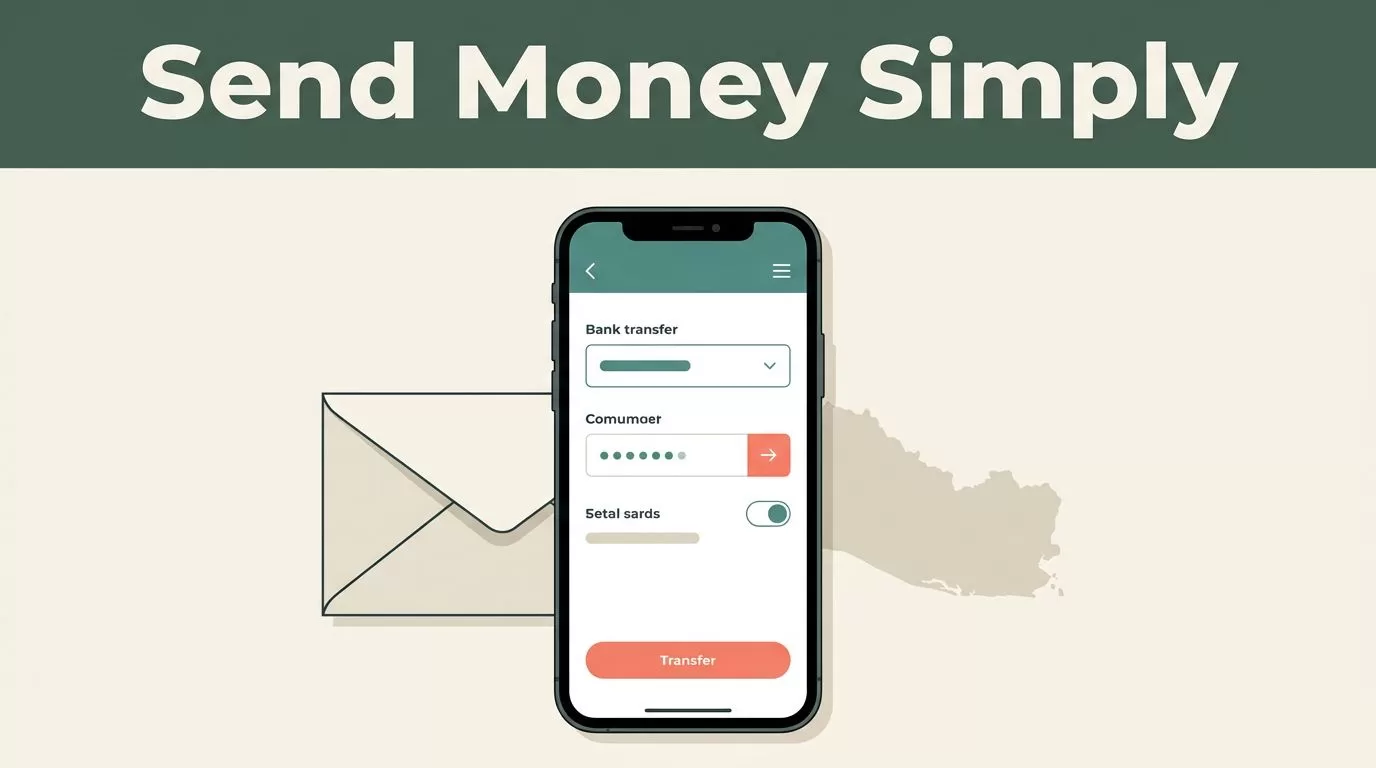
Sending funds across borders doesn’t need to feel like an operational gamble. When you need to support family members, pay contractors, or settle accounts abroad, you want a straightforward pathway that bypasses legacy wire fees. Using Remitly to transfer funds directly into local financial institutions provides a predictable option for senders in the United States and other regions. You gain clear visibility into exchange rates, transparent transfer fees, and delivery timelines before you authorize a transaction.
For anyone preparing to send money El Salvador, understanding the mechanics of account deposits prevents costly delays. This guide breaks down the operational requirements, step-by-step transfer flows, and practical considerations for both senders and recipients.
Key Takeaways
- Direct Account Deposits: Remitly lets you route funds straight to major bank accounts in El Salvador, eliminating cash pickup lines for the recipient.
- Delivery Speed Options: Choose between Express transfers for rapid delivery and Economy transfers for lower fees.
- Promotional Pricing: First-time users often qualify for reduced or zero-fee transactions on their initial sends.
- Verification Requirements: Prepare valid identification documents to clear sending limits and security reviews smoothly.
Choosing Your Transfer Speed and Delivery Options
When you configure a transfer, Remitly offers two primary service tiers based on how fast the recipient needs the funds. Selecting the right speed depends on your budget and urgency.
The Express option routes funds almost immediately, utilizing debit cards, credit cards, or online banking connections to fund the transaction. This speed comes with a slightly higher cost or tighter exchange rate spread, matching the operational reality of instant payment rails.
The Economy option routes funds through standard Automated Clearing House networks, taking roughly 3 business days to clear. This tier suits planned financial support where immediate liquidity isn’t mandatory, saving you money on the overall transaction cost. You can review detailed breakdowns of fee structures and timing models in this complete guide to Remitly fees.
Both tiers direct funds straight into the recipient’s personal account, bypassing the need for physical cash pickup locations.

Preparing Required Information and Verification Details
Before you launch the mobile application or web portal, gather the necessary recipient data to prevent transaction freezes. Missing digits in an account number or mismatched names will trigger automated security holds.
You need the recipient’s full legal name as it appears on their official identity documents, their residential address, and their active telephone number. You also need their exact bank account number and the correct routing or identification code for their specific financial institution in El Salvador.
Remitly enforces tiered sending limits to comply with international anti-money laundering regulations. Base accounts permit modest transfer volumes, while providing proof of identity, source of funds, or occupation lifts those caps significantly. Setting up your account and completing verification before you urgently need to send money prevents unexpected processing pauses.
Step-by-Step Instructions to Send Money
Executing the transfer requires a methodical approach through the platform interface. Follow these steps to complete your transaction without errors.
- Log into your account: Open the Remitly mobile application or navigate to the official website using your secure credentials.
- Enter transfer details: Select El Salvador as the destination country, input the amount you want to send, and choose bank deposit as the delivery method.
- Add recipient data: Type in the recipient’s full legal name, telephone number, and complete banking details carefully.
- Select payment funding: Choose how you want to pay for the transfer, utilizing a linked bank account, debit card, or credit card.
- Review and authorize: Check the locked exchange rate, delivery speed, and total fees before tapping confirm to submit the transaction.
Keep track of the transaction reference number provided on your receipt screen. You can share this number with the recipient so they can monitor the deposit status from their end.
Practical Tips for Recipients in El Salvador
Receiving an international bank transfer involves a few local operational realities. Ensuring the recipient is prepared prevents funds from bouncing back to the sender.
Advise your recipient to confirm that their bank account is active and able to receive incoming international wire transfers in US dollars, since El Salvador uses USD as legal tender. Remitly handles the currency conversion if you fund the transfer from a non-USD account, but the final payout lands in a dollar-denominated format.
If the receiving bank flags the transfer for routine compliance checks, the recipient should respond promptly to requests for documentation, such as a proof of relationship or an explanation of funds. Maintaining accurate contact phone numbers on the bank profile ensures local institutions can reach out immediately if verification is required.
Conclusion
Transferring funds to Salvadoran bank accounts relies on a predictable process when you organize your details beforehand. By selecting the appropriate delivery speed, verifying recipient information, and understanding compliance limits, you eliminate unnecessary transaction friction. Download the official app or use the web portal to set up your first transfer today, and keep your financial support moving reliably.
