Listen To Case Briefs Rapidly With Speechify
Law school reading lists test your endurance before they test your intellect. You stare at dense judicial opinions, regional reporter pages, and lengthy regulatory filings until your eyes burn and your comprehension stalls. When you need to...

Law school reading lists test your endurance before they test your intellect. You stare at dense judicial opinions, regional reporter pages, and lengthy regulatory filings until your eyes burn and your comprehension stalls. When you need to digest dozens of pages before a morning seminar, visual reading alone creates a severe bottleneck. You can break through that reading wall by turning dense texts into spoken audio and listening to Speechify case briefs on your phone or computer.
Key Takeaways
- Position audio listening as a flexible study aid rather than a complete replacement for reading primary legal sources.
- Use variable speed settings up to 4.5x to accelerate your review of background facts and procedural histories.
- Upload PDFs and web documents directly into your account to build a portable audio playlist for your commute.
- Monitor your comprehension levels closely when ramping up playback speeds to ensure retention remains intact.
Why Law Students Need Audio Workflows
The sheer volume of assigned reading in a juris doctor program exceeds what most people can process through visual reading alone. You spend hours sitting at a desk scrolling through digital casebooks, missing opportunities to outline or synthesize rules. Shifting part of that workload to an auditory format lets you consume secondary material while walking to campus, working out, or handling routine chores. Audio ingestion transforms dead time into active preparation.
Speechify Text to Speech and Voice AI Assistant provides a reliable way to convert static documents into spoken words using natural-sounding voices. Instead of forcing yourself through another hundred pages of dense text at midnight, you can queue your materials and listen on the go. This approach keeps your momentum moving forward even when physical fatigue sets in.

Preparing Legal Documents for Audio Playback
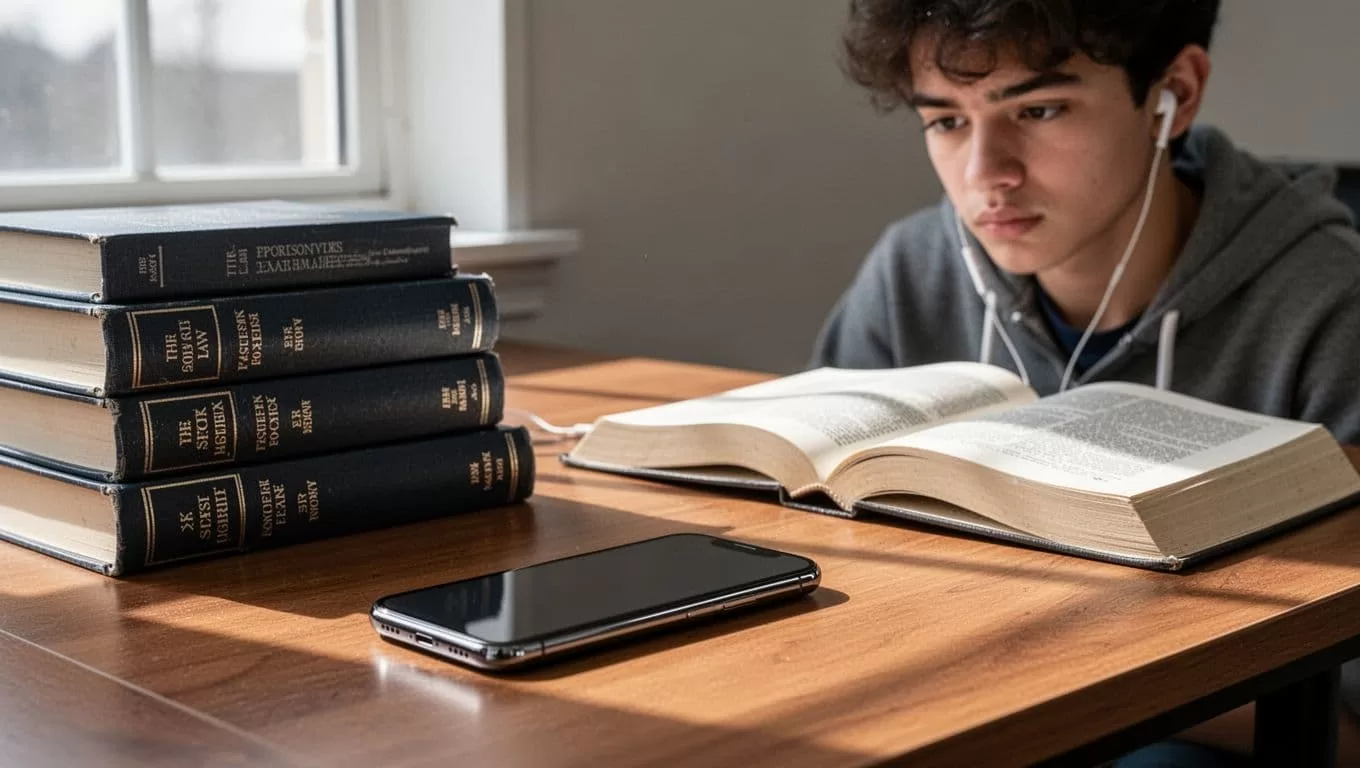
Extracting value from text-to-speech tools requires clean inputs. Most law school casebooks arrive as PDFs, scanned court filings, or digital extracts from Westlaw and LexisNexis. Poorly formatted scans with messy headers, footers, and page numbers will disrupt the listening flow.
You need to prepare your files before hitting play. Clean up the document by removing stray citation margins, procedural watermarks, and unnecessary administrative headers if the text allows it. When you import a clean PDF into the application, the speech engine moves smoothly through the holding, the facts, and the court’s reasoning without stuttering on weird typographical artifacts.
Audio review works best for familiarizing yourself with background facts and procedural history before you do your close reading.
Configuring Playback Speeds for Maximum Retention
One of the main advantages of modern text-to-speech software is speed adjustment. Reading speed averages around 200 to 250 words per minute for most adults, but your brain can process spoken language much faster when you train it.
You should scale your listening speed gradually rather than jumping straight to maximum velocity. Start at a modest 1.2x or 1.5x speed to get used to the voice cadence. Once your auditory comprehension adapts, bump the rate upward toward 2.0x or higher. At higher speeds, you save hours of study time every week, making it much easier to keep pace with aggressive syllabus schedules.
You can explore detailed platform capabilities by checking out the Speechify Chrome Extension overview for browser-based reading.
Balancing Audio Review with Traditional Analysis
Listening to case briefs on the move is a powerful force multiplier, but it shouldn’t replace rigorous analytical thought. You cannot passively absorb complex constitutional doctrines or statutory interpretations while half-listening on a crowded bus.
Use audio playback for initial triage, catching up on assigned background reading, or reviewing briefs you already analyzed on paper. When the court discusses a nuanced rule of law or a tricky dissent, pause the audio and take physical notes. Treat the spoken output as a supplement that prepares you for deeper doctrinal engagement during class discussions.
Building a Repeatable Daily Study Routine
Consistency dictates your success in law school, and your listening habits should follow a structured routine. Pick specific blocks of time during your day dedicated entirely to auditory review.
Morning commutes, afternoon walks between classes, and pre-sleep reviews make ideal slots for listening to your prepared queue. Upload your materials the evening before so your documents wait for you when you open the app. By turning case preparation into a mobile habit, you reclaim valuable hours and reduce the crushing weight of your weekly reading assignments.
Conclusion
Mastering heavy reading loads requires more than brute force and late-night study sessions. Integrating audio tools into your daily workflow helps you cover ground faster without sacrificing your personal well-being. Try uploading a single casebook chapter for your commute tomorrow and test how your comprehension holds up on the move.

