Finding the right contact in a marketing agency can feel like opening a row of dark office windows. One window matters, and the wrong knock wastes time. I don’t start with guesses, because a bad email can hurt trust and deliverability.
When I need a marketing agency owner email, I use Hunter.io to move from company name to a verified address with less noise. Then I cross-check the person, the pattern, and the mailbox before I send anything.
Start with the agency, not the person
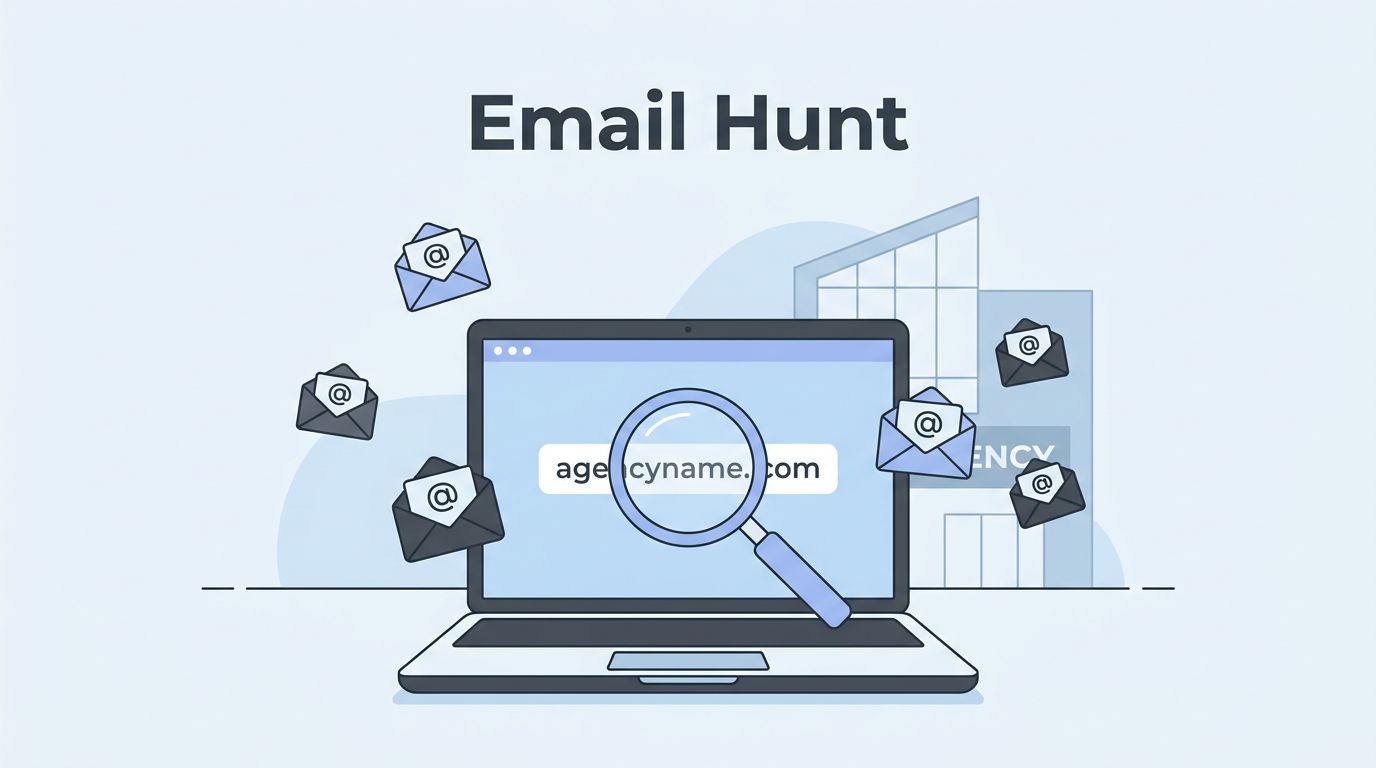
I always begin with the agency’s domain. That gives me a clean starting point, and it keeps me from chasing the wrong company with a similar name.
Agency owners don’t always call themselves “owner.” I watch for titles like founder, co-founder, CEO, managing director, principal, and sometimes president. Small firms often hide the real decision-maker in plain sight.
Here’s the simple title map I use:
| Title I check | Why I check it |
|---|---|
| Founder | Common at boutique agencies |
| Co-founder | Often appears in small teams |
| CEO | Usually the public face |
| Managing Director | Common in agency settings |
| Principal | Often used by senior owners |
| Owner | Direct, but not always public |
I look at the About page, the team page, the footer, and LinkedIn. If I only know the agency name, Hunter’s Discover and company search can help me get the right domain first. In April 2026, the core flow still centers on Domain Search, Email Finder, Email Verifier, Discover, and the browser extension, though the labels and menus can shift over time.
For a broader walk-through, I keep my Hunter.io owner email guide handy when I want the whole process in one place.
Use Hunter.io to map the contact
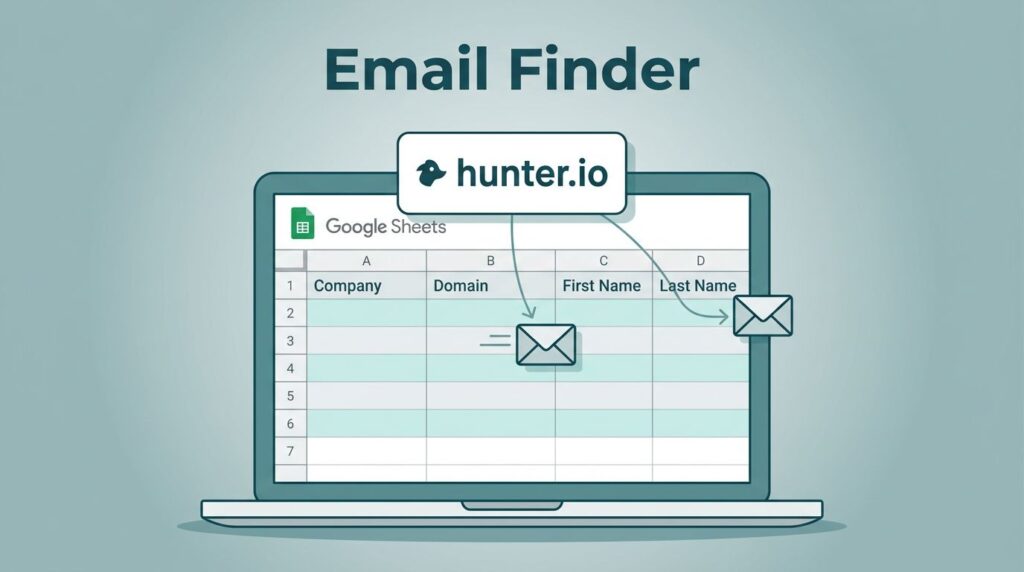
Once I have the domain, I run it through Hunter’s Domain Search. That gives me public business emails, names, job titles, and verification signals in one view. It’s the fastest way I know to stop guessing and start reading clues.
Hunter’s Email Finder help article is useful when I already know the person’s name. I enter the full name plus the domain, then I look for the most likely match. If the owner is listed on the site or on LinkedIn, I treat that as a strong signal, not proof.
I also pay attention to the Browser Extension. When I’m on an agency site or LinkedIn profile, it helps me pull context without jumping between tools. That said, I still verify the result later. A quick find is not the same as a safe send.
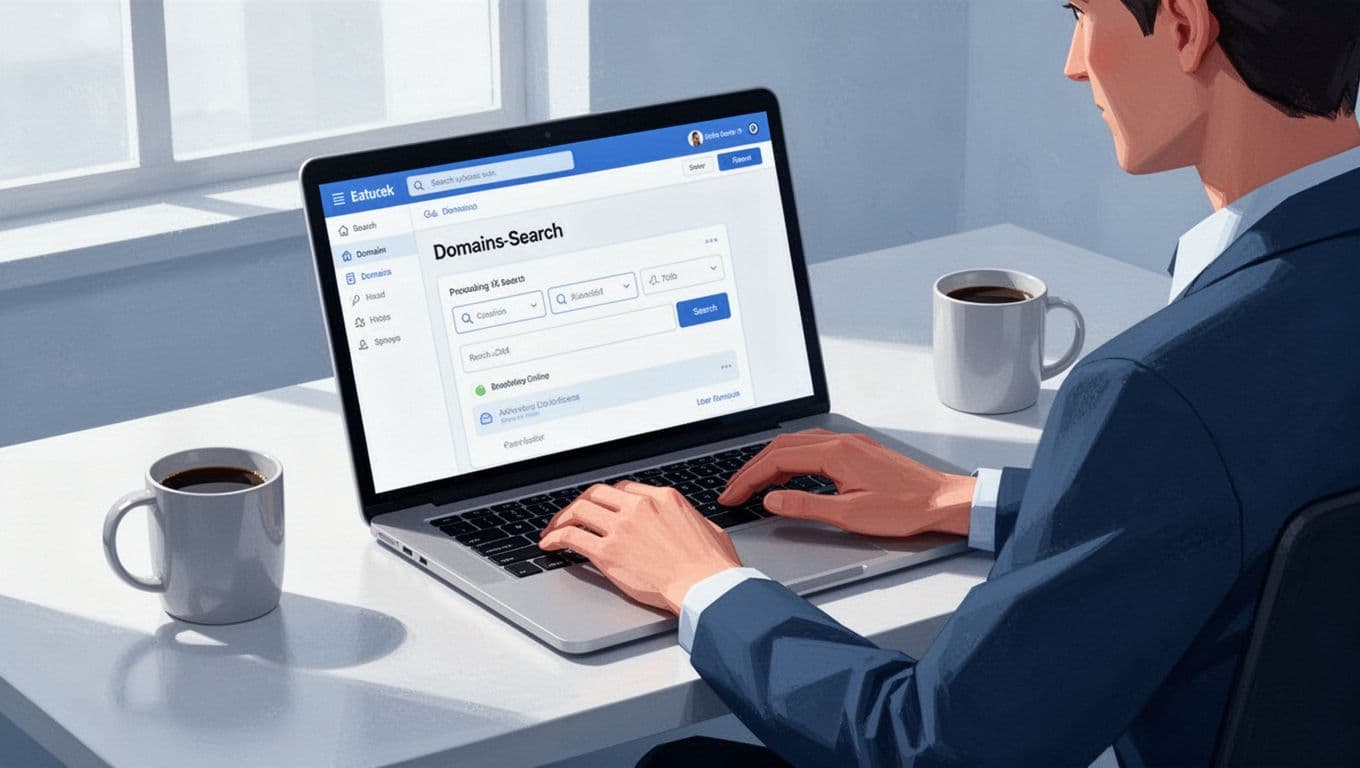
If I only have a rough company description, I may use Hunter’s current Discover search to narrow the field first. That works well for agencies that list niche services, like paid media, SEO, or brand strategy. Still, I treat the result as a lead, not a verdict.
Infer the email pattern without guessing blindly
This is where I save time. I don’t try every possible combination. Instead, I look for one pattern Hunter can support, then I test that pattern carefully.
Common formats include first@domain.com, first.last@domain.com, and f.last@domain.com. If Hunter shows one or two public addresses, I compare them with the likely owner’s name. That gives me a pattern I can trust more than a random guess.
I usually follow this order:
- Check existing emails on the domain.
- Match those emails to visible staff names.
- Compare the pattern with the owner’s name.
- Use Email Finder only when the pattern makes sense.
- Verify before I save or send.
Hunter’s email-finding methods are a good reminder that pattern search works best when I already have context. I also keep my Hunter.io workflow for owner email outreach nearby when I want a tighter process.
If I can’t explain why an address looks right, I don’t send to it.
That one rule keeps me from burning credits and making sloppy contact lists.
Verify deliverability before I send
After I find a likely address, I run it through Email Verifier. That step matters just as much as the search. A mailbox that looks right can still bounce, and bounces chip away at sender reputation.
I watch for three broad outcomes. A verified result is good news. An accept-all or catch-all domain means I should slow down and review the context. An unknown or risky result means I check the source again before I send. If I need a deeper look at risky domains, I use my catch-all email verification guide.
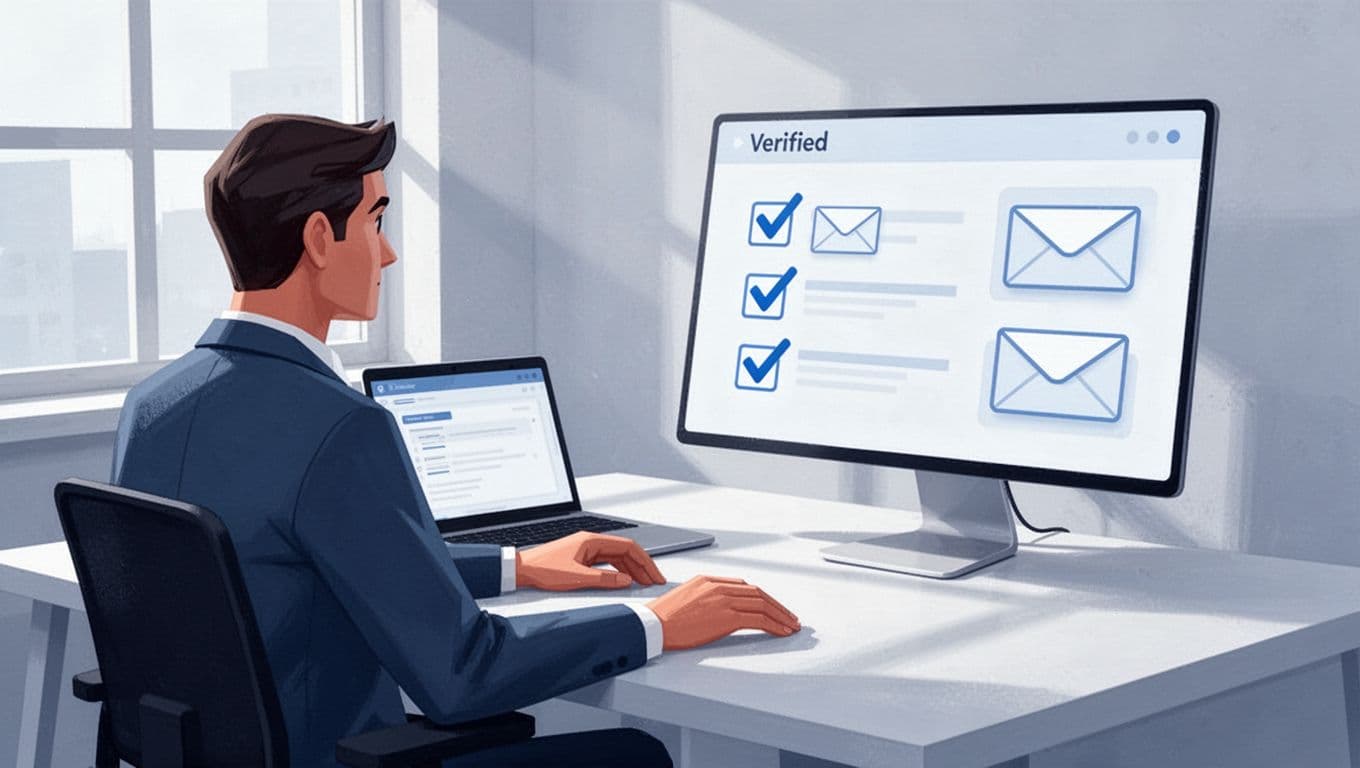
I also keep an eye on bulk verification if I’m working a larger list. Hunter’s guide to verified email addresses matches the way I work, because I want proof before I mail at scale. For team workflows, I rely on my Hunter.io verification workflow to keep the list clean.
As of early 2026, Hunter still uses credit-based plans, so I don’t waste checks on weak leads. I verify the best candidates first, then I move them into outreach. That keeps the list lean and the risk low.
Keep outreach compliant and respectful
I treat agency owners like busy operators, because they are. Their inboxes are crowded, and they can spot lazy outreach fast.
So I keep my first email short, relevant, and honest. I don’t scrape blindly, and I don’t send to personal inboxes unless the contact is clearly business-related. I also respect opt-outs, use clear sender details, and follow the rules that apply to my market, including CAN-SPAM and GDPR where relevant.
Role-based inboxes like info@ or hello@ can work for some offers, but I only use them when the message fits the role. Otherwise, I keep searching for a named person. A direct owner email is stronger, but only when I’ve earned the right to use it.
I also reduce cold email bounces before I scale. My Hunter.io bounce-rate guide helps me keep that part under control. Clean data and respectful outreach travel together.
The process that saves me the most time
I don’t need a magic trick to find a marketing agency owner email. I need a repeatable path.
I start with the domain, read the title clues, infer the pattern, and verify the result before I send. If the signal is weak, I stop. That discipline saves credits, protects deliverability, and keeps my outreach from sounding like spam.
The best email list is still the one I can trust.