How I Launched a Marketing Mastermind on Skool in 2026
Ever feel like your marketing ideas bounce around in isolation? I did too, until I built a mastermind group where marketers share real wins and fixes. Solo hustling wastes time. A tight group speeds results. Skool changes that. It’s a...


Ever feel like your marketing ideas bounce around in isolation? I did too, until I built a mastermind group where marketers share real wins and fixes. Solo hustling wastes time. A tight group speeds results.
Skool changes that. It’s a platform for communities with built-in tools for chats, courses, and calls. I picked it for my marketing mastermind because it keeps everything in one spot. No app-juggling. Members stay engaged.
You can launch yours fast. Follow my steps below.
What Skool Brings to Mastermind Groups
Skool runs communities without the clutter of Facebook groups or Discord servers. I started mine in an afternoon. The core setup includes a feed for posts, a classroom for lessons, a calendar for events, and gamification for motivation.
Why does it suit marketing masterminds? Marketers need quick feedback on campaigns, accountability for tests, and peer ideas. Skool’s feed handles daily shares. Members post ad screenshots or email stats. Others comment with tweaks.
Gamification adds fun. Members earn points for likes on posts. They level up to “Strategist” or “Scaler.” A leaderboard shows top contributors. This sparks competition. In my group, it doubled weekly posts.
Events shine for masterminds. Schedule live breakdowns of A/B tests. Everyone RSVPs. Replays stay in-app. No Zoom fatigue.
Pricing stays simple. Skool charges $99 a month flat for standard plans, no matter member count. Hobby plans run $9 for tests. Everyone in your mastermind pays one fee. No tiers yet, so I bundle value tight.
Limitations exist. No deep analytics or quizzes. If you track metrics hard, add Google Sheets links. But for peer-driven groups, it fits perfect.
I saw retention jump 40% over email lists. Members log in daily because tools pull them back.
Setting Up Your Marketing Mastermind on Skool
Start with a clear promise. Mine focuses on “scale campaigns without burnout.” Target marketers stuck at $10K months.
Sign up at Skool. Pick standard plan. Name your group. Write a description: “Marketing mastermind for actionable tactics, weekly calls, and accountability partners.”
Customize modules. Enable feed, classroom, calendar. Add categories like “Ad Tests,” “Email Flows,” “Analytics Wins.”
Set rules in a pinned post. “Post one experiment weekly. Comment on two others. No pitches.”
Connect Stripe for payments. Test a buy button.


Invite beta members. I pulled five from my list. They shaped the flow.
For discovery, optimize your profile. Post daily. Active groups rank higher in Skool’s 2026 search. See examples of live marketing masterminds pulling $250 monthly.
Link it to your site. I added a waitlist page. That filled fast.
Test access. Free tier for intros, paid for calls. Launch when 10 commit.
Building Your Core Curriculum
Curriculum gives structure. Without it, chats wander.
Map modules around marketing stages. Week 1: Audience audit. Week 4: Funnel optimization.
In Skool’s classroom, upload videos under 10 minutes. Add PDFs for templates. Gate lessons by level. Newbies see basics; veterans unlock advanced.
Drip content weekly. Members finish one before next.
Tie to accountability. End lessons with “post your plan in feed.”

Encourage discussion. Pin a thread per module. “What hook rate did you hit?”
I share my funnels as examples. Members remix them.
Pros: Unlimited video storage. No Vimeo costs.
Keep it light. Five modules repeat quarterly. Refresh with trends like AI ad copy.
This builds habit. Members return for the next piece.
Running Weekly Calls and Events
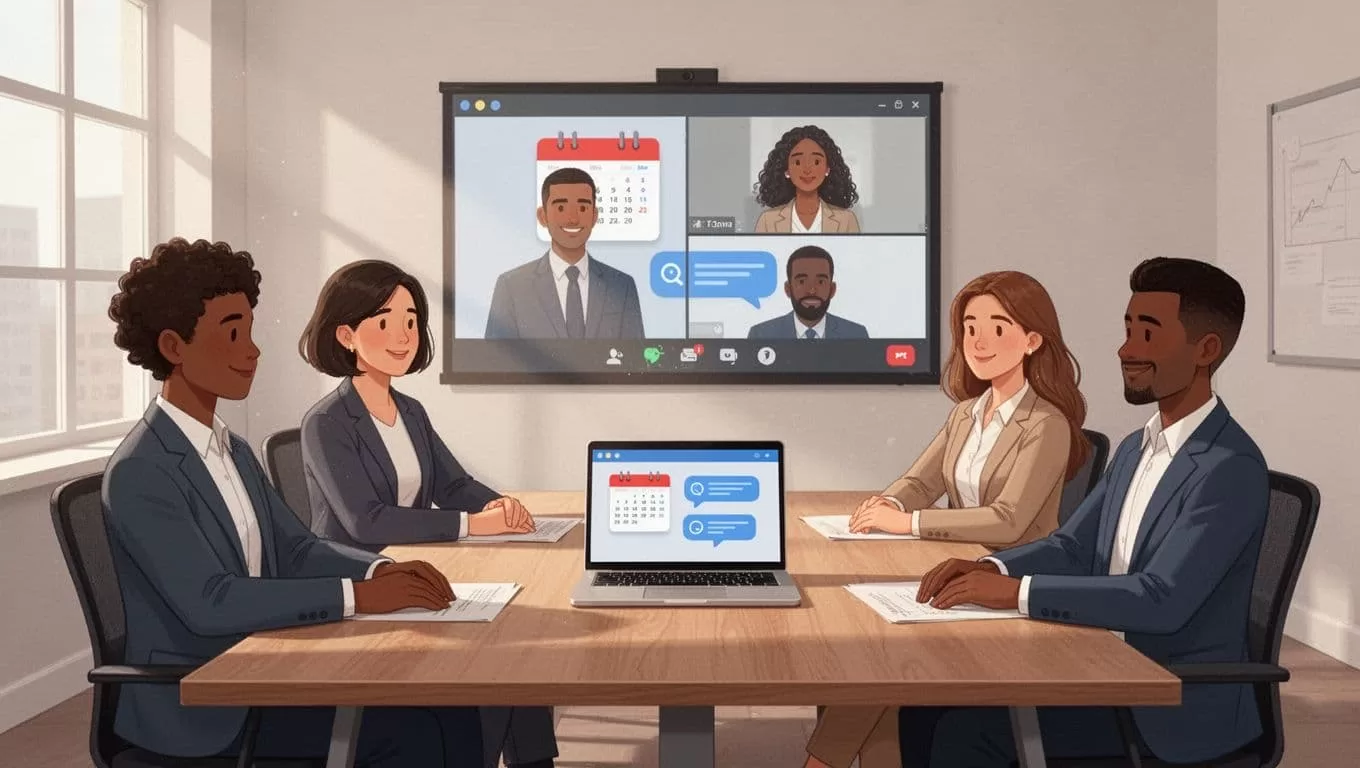
Calls build bonds. I host Tuesdays at 10 AM EST. Calendar auto-adjusts time zones.
Create event: “Hot Seat Reviews.” Members submit campaigns. Group critiques.
Go live in Skool. Up to 10,000 viewers. Chat runs parallel. Replays auto-post.
Post-call, prompt wins: “What one tweak will you test?”
For accountability, assign partners. They check homework in feed.
Run challenges: “14-day email streak.” Leaderboard tracks it.
Mobile app shines here. Members join from phones.
I use running live coaching calls in Skool for replays and follow-ups.
Friction drops. Everything stays inside.
Acquiring Members and Smooth Onboarding
Acquisition starts small. Post value on LinkedIn: “My $5K ad fail and fix.” Link to group.
Use Skool discovery. Consistent posts boost visibility.
Email list converts best. Offer “first module free.” I hit 20 paid in week one.
Price at $97 monthly. Covers Skool fee plus profit.
Onboard right. Auto-welcome series: Day 1 profile prompt, Day 3 first post, Day 7 call invite.
Check managing Skool student subscriptions to avoid billing snags.
Retention tip: Weekly wins thread. Celebrate small gains.
Scale by tiers later. Free for lurkers, paid core.
Pricing, Operations, and Scaling Tactics
Operations run weekly. Monday: Lesson drop. Tuesday: Call. Friday: Wins.
Audit monthly. Filter canceled members. Message personally.
Scale adds cohorts. New group every quarter. Veterans mentor.
Pros: Flat fee scales free. Gamification retains.
Limits: No tiers, so one price. Bundle bonuses.
For fees, set Skool monthly auto-charges.
I grew to 50 members. Revenue covers time plus more.
Test upsells like 1:1. Keep core affordable.
Check launching paying Skool memberships for cadence tips.
Conclusion
A Skool marketing mastermind turns solo grinds into group momentum. I built mine with clear curriculum, live calls, and daily feed prompts. Members stick because tools make engagement easy.
Start small. Launch with 10. Refine from feedback. You’ll see campaigns lift faster.
Your first post awaits. Build it today.

